Best Toys for 6-Year-Olds with ADHD (Focus Without Fights)
10 toys that help 6-year-olds with ADHD burn energy, improve focus, and stay engaged without turning your home into chaos.
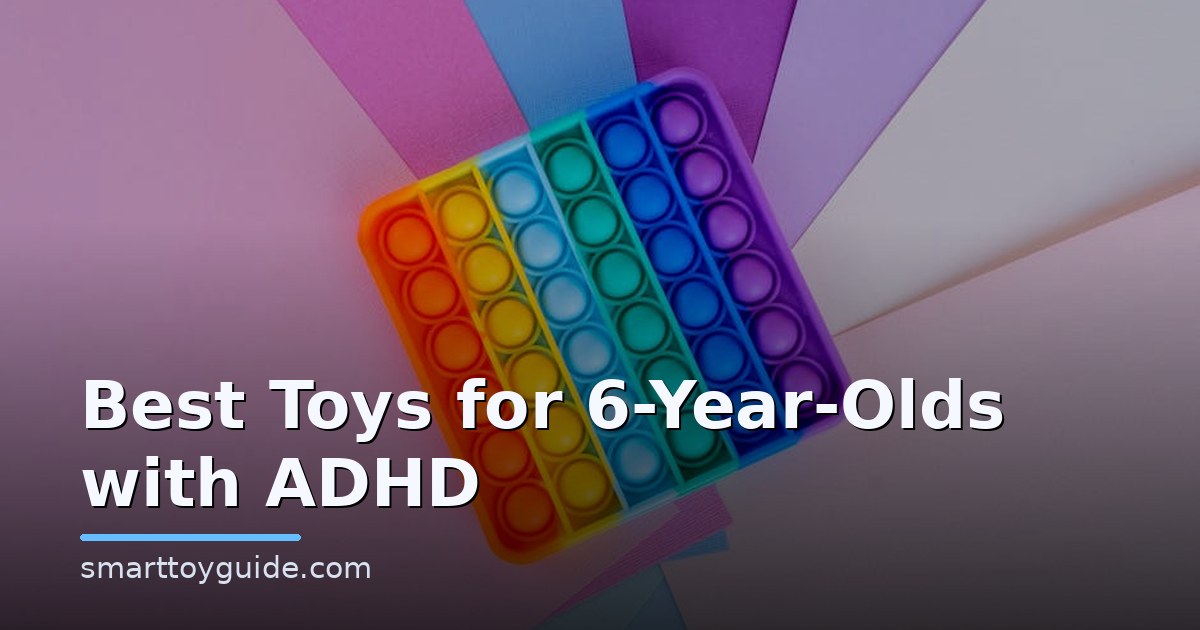
Snapshot
| Toy | Age | Price | Best for | Link |
|---|---|---|---|---|
| #1 Magna-Tiles Classic 100-Piece Set | 3+ | CAD $50–$80 | Calm focus and open-ended building | Check Price |
| #2 Stomp Rocket Jr. | 3+ | CAD $20–$35 | Movement breaks between focus blocks | Check Price |
| #3 Kinetic Sand Set | 3+ | CAD $25–$45 | Sensory regulation and calm transitions | Check Price |
| #4 Botley 2.0 Coding Robot | 5+ | CAD $70–$95 | Short challenge-based focus | Check Price |
Affiliate links. Prices can change.
Six is a tricky age.
Big feelings. Big energy. Tiny attention windows. A six-year-old with ADHD may be able to focus deeply on the right activity, then completely fall apart when the toy is too loud, too hard, or too open-ended.
The goal is not to find a magic toy that fixes attention. The goal is to give your child better ways to move, build, squeeze, reset, and return to the day without every transition becoming a fight.
Magna-Tiles Classic 100-Piece Set
Quiet, open-ended, and repeatable. It gives fast wins while still building focus and planning skills.
This list focuses on toys that support regulation, movement, and sustained play without overstimulation. If your child needs more tactile input, start with our best sensory toys for ADHD kids. If they are constantly abandoning activities, the ideas in best toys for kids who get bored easily pair well with this guide.
Who This Is For
- Parents who need practical regulation tools for daily routines.
- Kids who do better with predictable, low-friction play options.
- Families trying to reduce transition stress and focus battles.
- Caregivers who want screen-free options for after school, homework breaks, and rainy days.
Who Should Skip This List
- Buyers looking for one advanced STEM build toy as the main outcome.
- Families expecting one product to solve every regulation challenge.
- Families mainly looking for outdoor gross-motor gear rather than indoor regulation tools.
- Kids who strongly need chew-safe sensory tools, where a focused guide like best sensory tools for kids who chew is a better starting point.
What Actually Works for ADHD at Age 6
- Fast entry, low friction. If setup takes too long, attention is gone.
- Hands-on feedback. Kids stay engaged when they can see progress quickly.
- Movement + focus balance. The best toys channel energy instead of trying to suppress it.
- Replay value. Novelty fades fast. Good toys hold up after week one.
- A clean ending. Six-year-olds often need help stopping. Toys with missions, bins, cards, or obvious finish points make transitions easier.
Our Top Picks
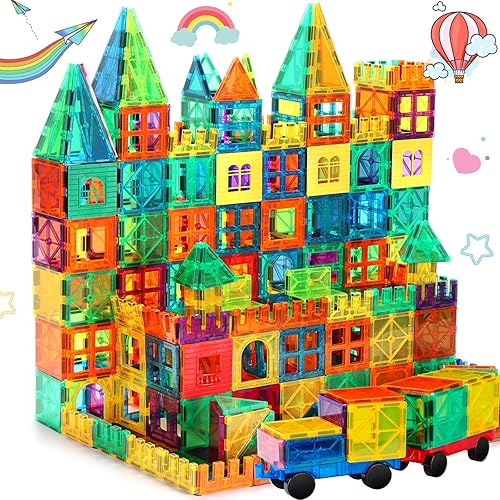
Calm focus and open-ended building
Pros
- ✓ Quiet play
- ✓ High replay value
- ✓ Easy solo or parent-child play
Cons
- ✗ Pricey
- ✗ Pieces spread everywhere
- ✗ Needs a storage bin
Magna-Tiles are the safest first buy for many six-year-olds with ADHD because the feedback is immediate: two pieces click, a wall stands, a tower grows. That quick success matters. It gives a child something visible to continue instead of a blank page to face.
They also scale well. On a rough day, the goal can be one garage, one bridge, or one colour pattern. On a better day, your child can build a zoo, marble run supports, a house for figures, or a whole city. Keep a shallow bin nearby so cleanup is part of the routine, not a separate meltdown.
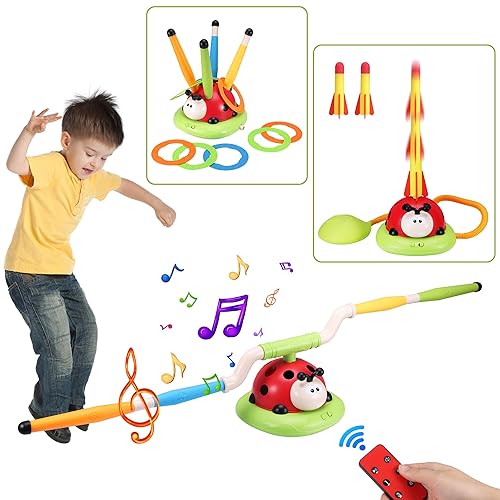
Stomp Rocket Jr.
Movement breaks between focus blocks
Pros
- ✓ Burns energy fast
- ✓ Simple rules
- ✓ Great outdoors
Cons
- ✗ Not quiet
- ✗ Needs open space
- ✗ Can become repetitive
ADHD often needs a pressure-release valve. Five minutes of launch play can reset a rough afternoon better than another lecture about sitting still.
Use Stomp Rocket as a planned movement break, not background chaos. Try three launches, one quick prediction about which angle will go farther, then a return to snack, reading, or a quieter toy. If you want more reset ideas by age, the homework breaks for 6-year-olds guide is a useful companion.
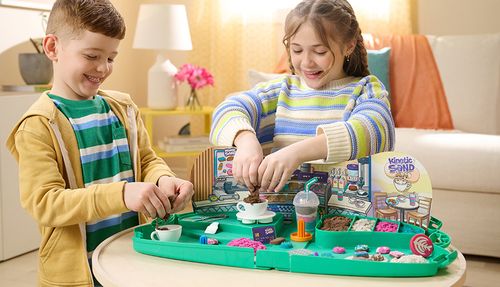
Kinetic Sand Set
Sensory regulation and calm transitions
Pros
- ✓ Very soothing tactile input
- ✓ Low stimulation
- ✓ Great after school
Cons
- ✗ Mess risk
- ✗ Needs tray
- ✗ Not ideal on carpet
Kinetic Sand is best when your child is wired but mentally exhausted. It gives hands something to do without demanding a story, a winner, or a complicated rule set.
The key is containment. Use a tray, set a short timer, and keep a small set of tools with it. Too many moulds can turn calm sensory play into dumping and scattering. For kids who love the tactile feel but need less mess, compare it with options in alternatives to Kinetic Sand for kids.
Botley 2.0 Coding Robot
Short challenge-based focus
Pros
- ✓ Screen-free coding
- ✓ Immediate cause/effect
- ✓ Builds sequencing
Cons
- ✗ Higher price
- ✗ Can require parent help early
- ✗ Parts can get misplaced
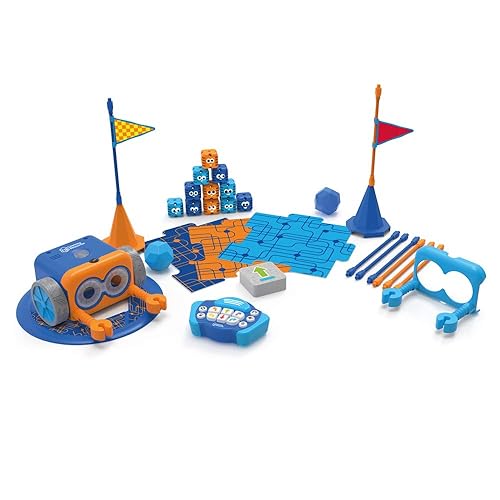
Botley works well for kids who need a concrete mission instead of open-ended play. “Can you get the robot to the apple?” is easier to start than “go play with a robot.”
For ADHD brains, the danger is too many accessories at once. Start with very short paths and one obstacle. When your child gets a win, stop before the challenge turns into frustration. If coding is the main goal, see best coding toys for beginners age 6 to 8 and Botley vs Snap Circuits for kids.
Longer independent build sessions
Pros
- ✓ Strong creativity
- ✓ Easy to scale challenge
- ✓ Great replay value
Cons
- ✗ Cleanup pain
- ✗ Stepping hazard
- ✗ Can overwhelm if too many pieces out
LEGO can be excellent for focus, but the setup matters more than the box. Dumping every piece on the floor often creates visual overload. A small “build tray” with 20 to 40 pieces works better.
Give concrete prompts: build a tiny vehicle, a pet house, a snack shop, or a bridge strong enough to hold one figure. That structure keeps the play creative without leaving your child lost in unlimited choice.
Snap Circuits Jr. SC-100
Guided STEM focus with clear wins
Pros
- ✓ Structured tasks
- ✓ High engagement
- ✓ Great confidence builder
Cons
- ✗ Best with support at first
- ✗ Not all 6-year-olds are ready
- ✗ Pieces need organization
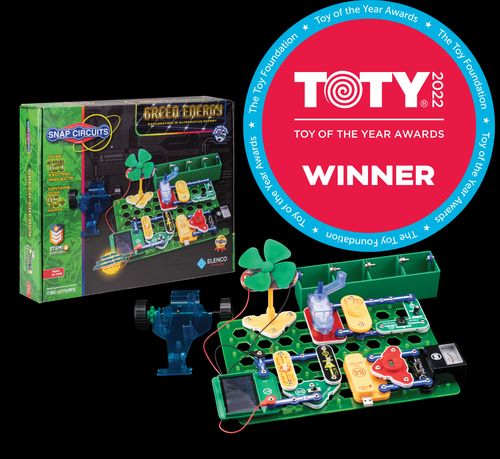
Snap Circuits Jr. is advanced for many six-year-olds, but excellent for kids who love systems and patterns. The projects are visual, the parts snap into place, and the payoff is obvious when a fan spins or a light turns on.
Do not treat the age range as a dare. If your child melts down when a step is wrong, save it for parent-child time. For easier STEM entry points, best STEM toys for kids who hate worksheets has lower-friction options.
ThinkFun Rush Hour
Quiet logical focus
Pros
- ✓ No batteries
- ✓ Portable
- ✓ Builds planning
Cons
- ✗ Can feel hard early
- ✗ Single-player
- ✗ Usually needs coaching first
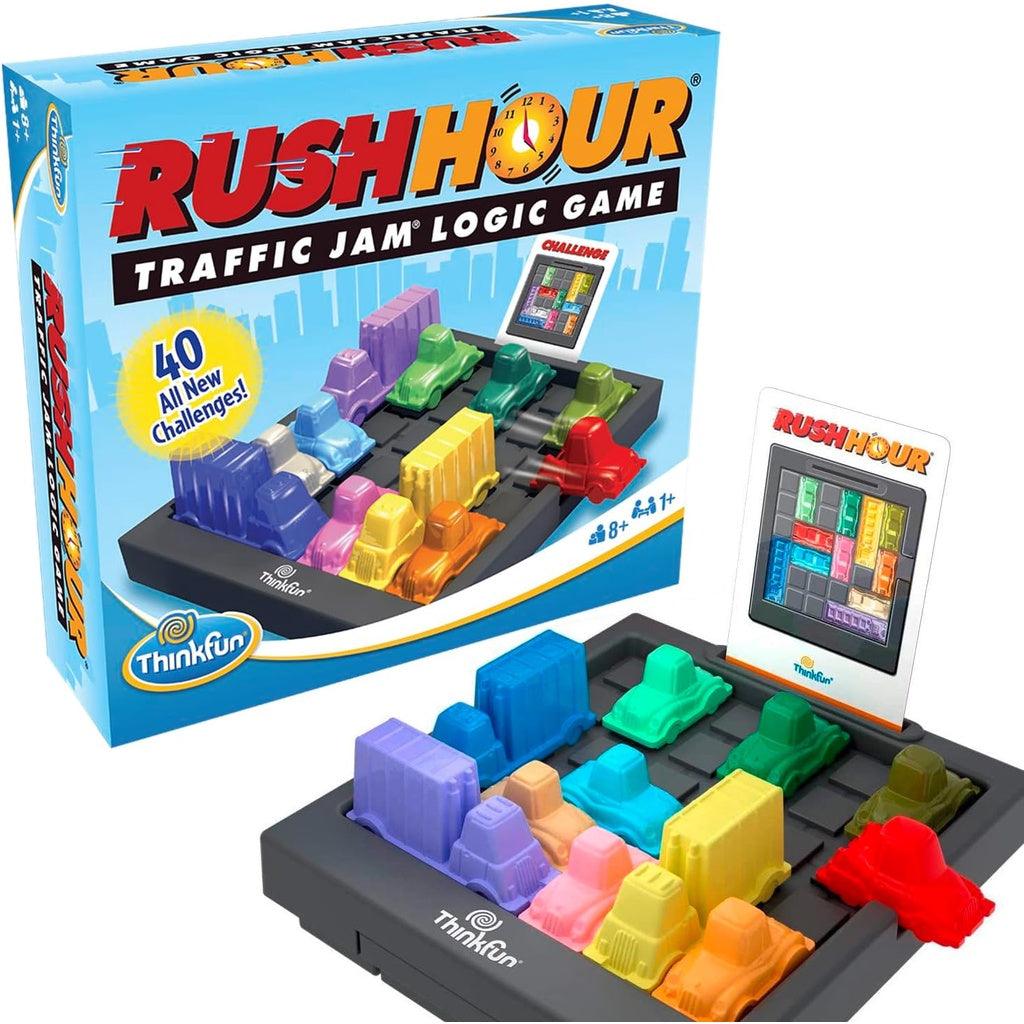
Rush Hour can be great for quiet focus, but only if you start below your child's frustration ceiling. Use beginner cards, let them talk through moves, and celebrate completion over speed.
This is a good pick for kids who like puzzles but get too silly or overstimulated with group games. If they need a gentler version, Mental Blox vs Rush Hour Junior can help you choose.
Fat Brain Toys Dimpl
Desk-side fidget regulation
Pros
- ✓ Quiet sensory input
- ✓ Portable
- ✓ Simple and durable
Cons
- ✗ Skews younger
- ✗ Short play sessions
- ✗ Limited challenge
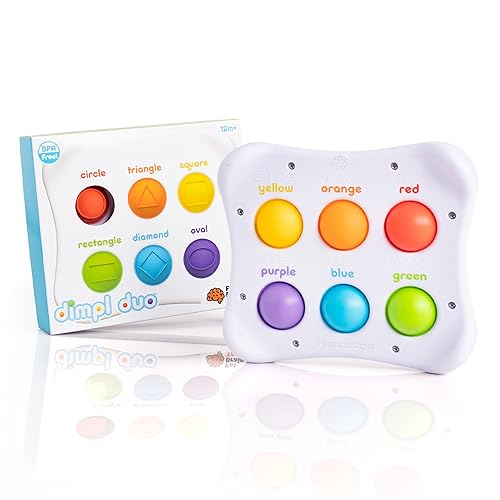
Dimpl is not a main toy at age six. Think of it as a regulation tool: something quiet for the table, car, waiting room, or homework transition.
It works best when the job is clear. “This is your hand tool while I read the instructions” is more useful than handing it over and expecting long independent play.
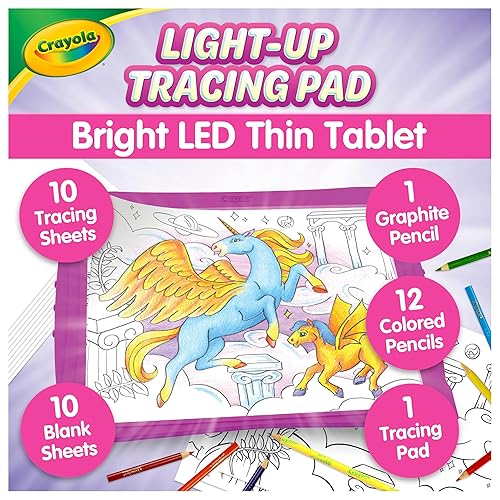
Crayola Light-Up Tracing Pad
Creative focus without full setup
Pros
- ✓ Easy start
- ✓ Visual reward
- ✓ Supports fine motor work
Cons
- ✗ Needs batteries
- ✗ Paper management
- ✗ Can lose novelty
This is a strong option for kids who resist writing but enjoy drawing and visuals. Tracing lowers the blank-page problem, which is a common friction point for ADHD kids.
Keep paper, pencils, and a folder with the pad. If supplies live in three places, the toy becomes a scavenger hunt instead of a calm focus activity.
Creative sensory play and emotional reset
Pros
- ✓ Open-ended
- ✓ Tactile input
- ✓ Easy to start
Cons
- ✗ Mess risk
- ✗ Dries out
- ✗ Tool pieces disappear
Play-Doh is classic because it combines sensory input, pretend play, and low-stakes creativity. For a six-year-old with ADHD, it can be a reset activity after school or a bridge between high-energy play and dinner.
Keep it small: two colours, one tray, a few tools. Too much Play-Doh turns into crumb cleanup and colour-mixing arguments fast.
How to Use These Toys So They Actually Help
1) Run in short cycles
Try 15–25 minute play blocks with a clear start and finish. ADHD attention often works better in sprints. Use a visual timer if your child struggles with endings.
2) Pair movement with focus toys
Do five minutes of movement first, then move into a seated toy. Stomp Rocket before Magna-Tiles is often easier than demanding calm focus from a cold start.
3) Reduce visible choices
Put out three toys, not twelve. Too many options can spike overwhelm and impulsivity. Rotate the rest into a closet or bin.
4) Make cleanup part of the toy
Magna-Tiles need a bin. LEGO needs a tray. Sand needs a mat. The easier the reset, the more likely the toy actually stays in your routine.
Want better toy picks without the research rabbit hole?
Short, practical recommendations by age, need, and budget.
FAQ
What type of toy is best for a 6-year-old with ADHD?
Toys with quick start-up, clear feedback, and repeatable challenge usually work best. Think building, sensory, short-goal logic toys, and planned movement breaks.
Are electronic toys better or worse for ADHD?
Neither by default. The problem is overstimulation. Low-noise, purpose-driven electronics can work well, while flashing/noisy toys often backfire.
Should I prioritise sensory toys or learning toys?
Start with regulation, then layer learning. A regulated child learns faster than a dysregulated child.
My child loses interest fast. Is that normal?
Yes. Rotate toys, shorten sessions, and make outcomes concrete: build this, solve this, launch this, then stop. Structure usually beats novelty.
Related reads
- Learning Toys for ADHD Kids
- Best Sensory Toys for ADHD Kids
- Best Toys for Kids Who Get Bored Easily
- Best Toys for Kids with Transition Struggles
- Best Toys for Focus Breaks Between Homework
If You Can Only Buy One
Magna-Tiles Classic 100-Piece Set.
It gives the best mix of calm focus, creativity, and long-term replay value for this age. More importantly, it can be made easier or harder without buying another toy.
Want better toy picks without the research rabbit hole?
Get concise recommendations by age, need, and budget.
Where to go next
By age
Best Bedtime Calm Toys for 6-Year-Olds
Keep the recommendations age-appropriate for your kid’s stage.
By need
Best Sensory Toys for Kids with ADHD (2026)
Jump to picks focused on ADHD, sensory, and regulation support.
By budget
Best Gifts for Kids Under $25 (2026)
Compare strong options in lower price brackets before you buy.
Related Articles
Best Toys for Kids Who Rush Through Homework
Focus-break and thinking toys for kids who hurry through homework, guess quickly, or need practice slowing down.
Read more →
Best No-Mess Sensory Toys for Bedrooms
Low-mess sensory toys that can live near the bed without sand, slime, batteries, or cleanup fights.
Read more →
Calm Strips vs Marble Mesh Fidget for Classroom Focus
A quiet fidget comparison for school, homework, and kids who need discreet tactile input.
Read more →