Best Sensory Toys for Kids with ADHD (2026)
8 occupational therapist-recommended sensory toys that help kids with ADHD focus, self-regulate, and burn off energy. Without driving you crazy.

Snapshot
| Toy | Age | Price | Best for | Link |
|---|---|---|---|---|
| #1 Sensory Body Sock | 3+ | CAD $35–$55 | Proprioceptive input for short movement resets | Check Price |
| #2 Liquid Motion Bubbler Timer | 3+ | CAD $15–$25 | Visual calming during short reset breaks | Check Price |
| #3 Weighted Lap Pad | 4+ | CAD $25–$45 | Deep-pressure input during homework, meals, and regulation breaks | Check Price |
| #4 Calm Strips (Textured Stickers) | 6+ | CAD $6–$13 | Silent tactile input on desks, notebooks, and devices | Check Price |
Affiliate links. Prices can change.
ADHD-friendly sensory toys should match the child’s input need: movement, pressure, tactile focus, or visual calm. A toy that helps one child settle may make another child louder, faster, or more distracted.
The right toy can lower friction, support regulation, and make day-to-day life noticeably easier. The wrong toy becomes clutter, a classroom problem, or another thing parents have to manage.
Sensory Body Sock
Reliable engagement, low setup friction, and strong replay value for real family routines.
This guide focuses on sensory toys that are practical, repeatable, and useful beyond the first week. It is not medical advice, and it is not a promise that one product will “fix” attention. Think of these as tools for building better transitions, calmer breaks, and more realistic focus windows.
What to Look For
- Fast entry. If setup is complicated, attention disappears.
- Clear feedback. Kids stay engaged when they can feel or see the effect quickly.
- Replay value. Good toys survive past the novelty spike.
- Regulation support. The best toys help kids recover, not just stay busy.
- Low parent workload. A tool that needs constant adult policing will not last.
Before buying, notice what kind of input your child seeks. Do they crash into furniture, chew sleeves, tap pencils, stare at water or lights, curl under blankets, or ask to be squeezed? Those behaviours point to different sensory needs. A body sock and a calm strip are both “sensory toys,” but they solve very different problems.
If your child mainly struggles during homework, also compare Best Homework Fidgets for Kids. If the problem is the after-school crash, Best Calm-Down Toys for After School may be a better starting point.
Our Top 6 Picks
Sensory Body Sock
Proprioceptive input for short movement resets
Pros
- ✓ Deep-pressure movement
- ✓ Good for sensory seekers
- ✓ Can turn breaks into regulation reps
Cons
- ✗ Needs supervision and clear rules
- ✗ Sizing matters
- ✗ Not discreet for school
Liquid Motion Bubbler Timer
Visual calming during short reset breaks
Pros
- ✓ Quiet visual input
- ✓ Low setup
- ✓ Good calm-down corner fit
Cons
- ✗ Can leak if damaged
- ✗ Mostly passive
- ✗ Some kids lose interest quickly
Weighted Lap Pad
Deep-pressure input during homework, meals, and regulation breaks
Pros
- ✓ Grounding pressure input
- ✓ No setup needed
- ✓ Works across routines
Cons
- ✗ Too heavy for some kids
- ✗ Not ideal for travel
- ✗ Needs correct weight selection
Silent tactile input on desks, notebooks, and devices
Pros
- ✓ Invisible in class
- ✓ No loose parts
- ✓ Great for quick regulation
Cons
- ✗ Adhesive wears over time
- ✗ Limited texture per strip
- ✗ Needs clean surfaces
Pocket-size tactile calming and transition support
Pros
- ✓ Portable
- ✓ Quiet
- ✓ Great for waiting rooms and transitions
Cons
- ✗ Easy to lose
- ✗ Not highly engaging for long sessions
- ✗ Material quality varies
The Kids' Yoga Deck
Guided movement breaks and body-awareness practice
Pros
- ✓ No pieces beyond cards
- ✓ Good transition tool
- ✓ Works solo or with parent prompts
Cons
- ✗ Needs participation
- ✗ Not a toy every kid chooses independently
- ✗ Cards can scatter
Why These Picks Made the List
Sensory Body Sock
A sensory body sock is the most active pick here. It gives proprioceptive input: the heavy-work, body-awareness input many ADHD kids seek when they jump, push, crash, or wrap themselves tightly in blankets. The value is not that it keeps a child quiet. The value is that it gives movement a boundary.
Use it for short resets: two to five minutes of stretching, crawling, pushing hands into fabric, or making slow shapes. Set rules before the child gets inside: no stairs, no jumping into furniture, no covering the face in a way that feels unsafe, and stop when the timer ends. Sizing matters because a sock that is too loose loses the pressure effect, while one that is too tight can feel overwhelming.
This is a home tool, not a discreet school tool. It works best in a calm-down corner, living room movement break, or bedtime wind-down routine when the child needs deep pressure before settling.
Liquid Motion Bubbler Timer
A liquid motion bubbler is for visual calming. It is useful when a child needs something to watch while their body comes down from a high-energy state. The slow drip gives the eyes a job without requiring a screen, reading, or conversation.
It is not very interactive, so do not expect it to hold attention for a long time. Its best role is as a transition object: flip it, breathe, wait until the bubbles finish, then move to the next task. It can live beside a reading chair, calm-down bin, or homework station.
The main risk is durability. If the bubbler leaks or cracks, it is done. It is also too passive for kids who need movement before they can settle. For those kids, start with body input, then use the bubbler as the second step.
Weighted Lap Pad
A weighted lap pad gives grounding pressure during seated routines: homework, meals, reading, appointments, or car rides. For some kids, that pressure reduces the need to wiggle constantly. For others, it does nothing. The only way to know is to try it in a low-pressure routine, not during the hardest homework battle of the week.
Choose weight carefully and follow product guidance. Heavier is not automatically better. The lap pad should feel calming, not trapping. It should also be easy for the child to remove independently.
This is one of the more practical tools because it does not look like a toy and does not require setup. It can move from couch to desk to dining table. If your child needs quieter tools for shared spaces, see Best Noise-Sensitive Toys for Kids.
Calm Strips (Textured Stickers)
Calm Strips are textured stickers that can go on a desk, notebook, water bottle, laptop case, or bedside table. They are good for kids who pick at skin, rub fabric, tap surfaces, or need a silent tactile target during listening tasks.
Their strength is discretion. There are no pieces to drop, no clicking noise, and no obvious “toy” to negotiate in class. The child can rub the texture with a thumb while listening or waiting.
The downside is that the texture is limited. Some kids love one strip for months; others stop noticing it after a week. Placement matters. Put it where the child naturally reaches, not where an adult thinks it looks neat.
Textured Sensory Worry Stones
Textured worry stones are small tactile tools for pockets, waiting rooms, car rides, and transitions. They work best for kids who like rubbing, squeezing, or holding something but do not need big movement.
They are quieter than many fidgets and less visually distracting than a toy with moving parts. That makes them useful for church, appointments, assemblies, or family events where a spinning or clicking toy would draw attention.
The downside is obvious: they get lost. Buy them only if you are comfortable assigning a pouch, a drawer, or one specific travel bag. If your child chews objects, choose a chew-safe tool instead; worry stones are not built for chewing.
The Kids' Yoga Deck
A yoga card deck is not a fidget. It is a movement prompt system. That makes it useful for kids who need guided body input but do better when the adult does not have to invent a new activity every time.
The best use is short: pick three cards, do each pose, then move on. It can become a bedtime ritual, a rainy-day reset, or a pre-homework transition. The cards also build body awareness because the child has to notice position, balance, breathing, and effort.
This is not the best pick for a child who refuses adult-led activities. It works when the child likes routines, animals, poses, or “challenge me” prompts. If they only want independent sensory input, choose a body sock, lap pad, or tactile tool first.
Matching the Toy to the Moment
Sensory toys work better when each one has a job. A body sock is for movement resets. A lap pad is for seated pressure. Calm Strips are for quiet tactile input. A liquid timer is for visual settling. Worry stones are for portable transitions. Yoga cards are for guided movement.
That matters because ADHD struggles change across the day. The toy that helps at 4:00 p.m. may be wrong at 8:00 p.m. After school, many kids need movement before they can talk or sit. During homework, they may need silent tactile input or pressure. At bedtime, visual calm or slow stretching may help more than a high-energy sensory tool.
Make a small “sensory menu” with two or three options per routine. For example: after school = body sock, yoga cards, snack; homework = lap pad, Calm Strip, short timer; bedtime = liquid bubbler, reading, weighted blanket if already approved by your family’s clinician. The point is not to own every tool. The point is to reduce negotiation.
Want better toy picks without the research rabbit hole?
Short, practical recommendations by age, need, and budget.
Practical Setup Tips
1) Keep only 3 to 5 toys visible
Fewer options usually means deeper use and less overwhelm. Too many sensory tools can become visual clutter, especially for kids who already struggle to choose and start.
2) Use short play blocks
Try five- to fifteen-minute blocks with a clear start and finish. Many regulation tools work best as resets, not open-ended entertainment.
3) Pair movement with focus toys
A quick movement break before table play improves transitions. If your child runs hot after school, do not start with a desk fidget. Start with body input, then move to the quieter tool.
4) Rotate weekly
Rotation keeps engagement high without constant new purchases. Keep a few tools out, store the rest, and bring them back when interest fades.
5) Watch for escalation
A sensory toy is not helping if it makes the child louder, rougher, or harder to redirect every time. That does not mean the toy is bad; it may mean the timing is wrong or the child needs a different kind of input.
FAQ
Are these toys only for kids with a diagnosis?
No. These picks can help many kids who need better focus, calmer transitions, or lower stimulation play. A diagnosis can guide support, but everyday routines still come down to matching the tool to the child.
How many toys should we use at one time?
Start with 3 to 5 active options. Too much visual choice can reduce sustained attention. If a toy is not being used, store it for a few weeks instead of leaving it in the pile.
What if my child gets bored quickly?
Use short sessions, rotate weekly, and focus on toys with immediate feedback or a clear job. Boredom is often a sign that the toy is being asked to entertain, not regulate.
What is the best sensory toy for school?
For school, choose quiet and discreet tools first: Calm Strips, a small textured stone if allowed, or another silent tactile item. Avoid noisy fidgets, big movement tools, and anything that becomes a social distraction.
What should I avoid?
Avoid toys that are too loud, too messy, too hard to supervise, or too exciting for the routine you are trying to support. Also avoid using sensory toys as rewards only; they work better as normal tools for regulation.
Related reads
- Learning Toys for ADHD Kids
- Best Toys for 7-Year-Olds with ADHD
- Best Homework Fidgets for Kids
- Calm-Down Corner Toys That Actually Help
- Best Occupational Therapy Toys for Home Use
If You Can Only Buy One
Sensory Body Sock.
It gives the best balance of calm engagement, flexibility, and long-term replay for many households with movement-seeking kids. If your child is not a movement seeker, choose by input need instead: lap pad for seated pressure, Calm Strips for silent tactile focus, or liquid timer for visual calming.
Want better toy picks without the research rabbit hole?
Get concise recommendations by age, need, and budget.
Where to go next
By age
Best Toys for 4-Year-Olds (Learning Through Play) (2026)
Keep the recommendations age-appropriate for your kid’s stage.
By need
Gifts for Neurodivergent Kids: A Parent's Guide (2026)
Jump to picks focused on ADHD, sensory, and regulation support.
By budget
Best Budget Sensory Toys Under $20
Compare strong options in lower price brackets before you buy.
Related Articles
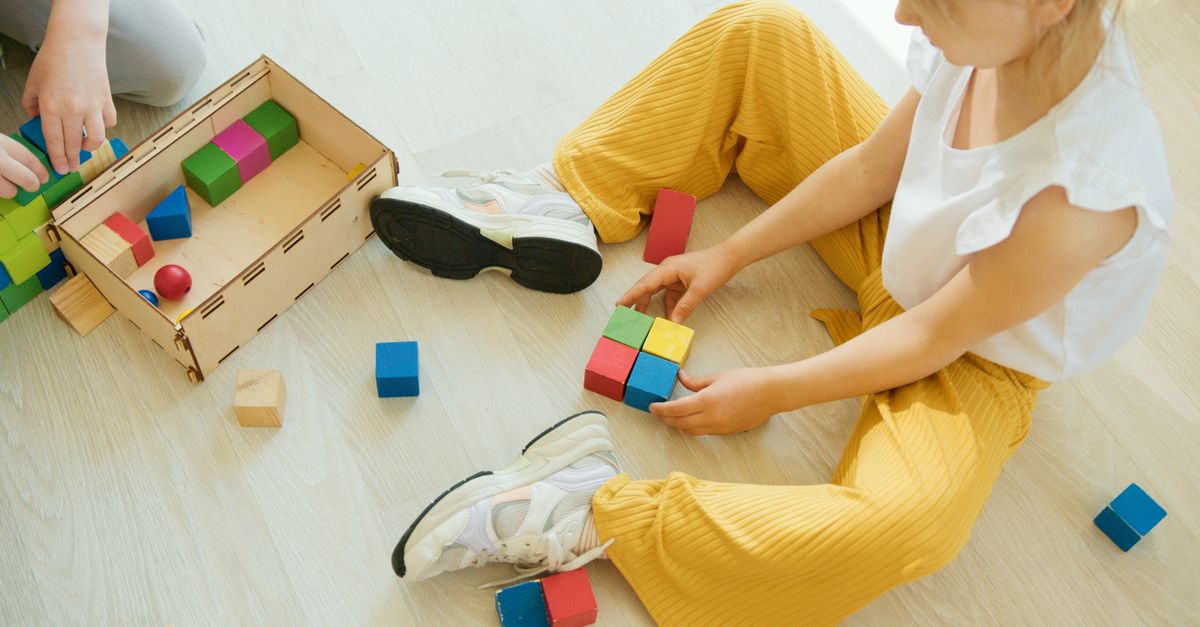
Best Toys for Kids Who Rush Through Homework
Focus-break and thinking toys for kids who hurry through homework, guess quickly, or need practice slowing down.
Read more →
Best No-Mess Sensory Toys for Bedrooms
Low-mess sensory toys that can live near the bed without sand, slime, batteries, or cleanup fights.
Read more →
Calm Strips vs Marble Mesh Fidget for Classroom Focus
A quiet fidget comparison for school, homework, and kids who need discreet tactile input.
Read more →