Best Toys for Kids Who Get Bored Easily (2026)
10 high-engagement toys for kids with short attention spans. Fast feedback, open-ended play, and real replay value.
Snapshot
| Toy | Age | Price | Best for | Link |
|---|---|---|---|---|
| GraviTrax Starter Set | 8+ | CAD $70–$95 | Kids who love tinkering and instant cause-effect | Check Price |
| Nerf Elite 2.0 Blaster + Targets | 8+ | CAD $25–$45 | High-energy kids who need movement | Check Price |
| Snap Circuits Jr. | 8+ | CAD $35–$55 | Kids who need visible results fast | Check Price |
| Magna-Tiles Classic Set | 3+ | CAD $60–$80 | Open-ended builders | Check Price |
Affiliate links. Prices can change.
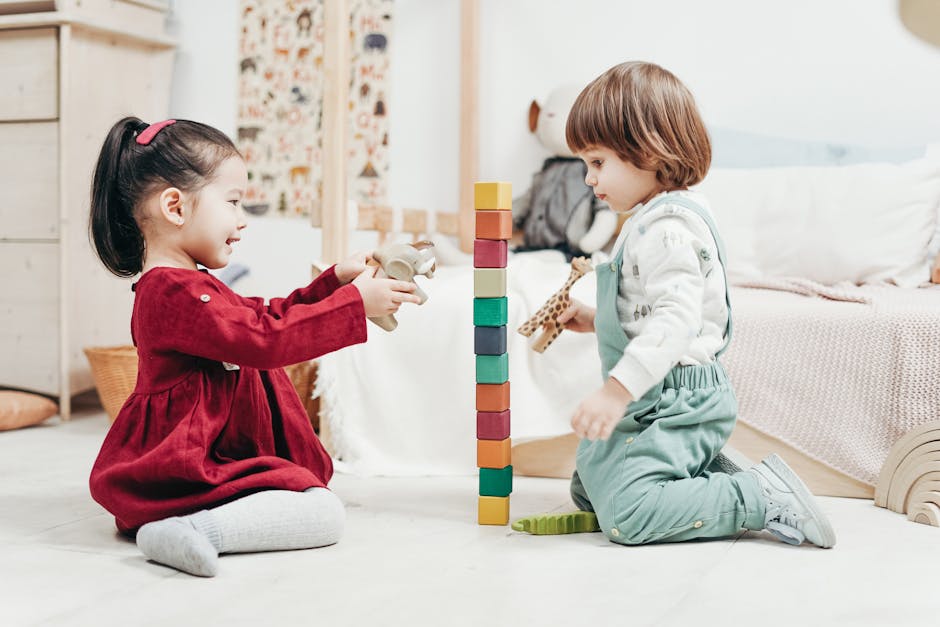
Some kids don't have a toy problem. They have an engagement problem. If a toy takes too long to become interesting, they're gone.
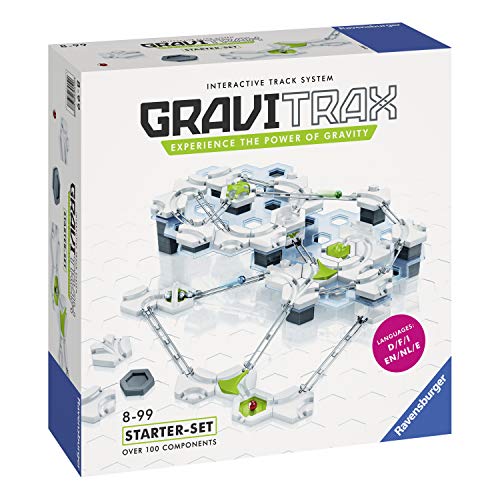
GraviTrax Starter Set
Build, test, crash, tweak, repeat. Immediate feedback plus infinite variations. Perfect for kids who need constant novelty.
These toys work for fast brains: high interaction, quick reward loops, and enough depth to stay interesting after day one. The goal is not to buy more stuff. It is to choose toys with better feedback, better movement, and better challenge so the child has a reason to return.
This guide is useful for novelty-seeking kids, ADHD-leaning kids, sensory seekers, high-energy siblings, and children who seem to abandon toys almost as soon as they open them. It is also useful if your house has too many passive toys and not enough play systems that invite action.
Why Some Kids Get Bored Fast
- Slow ramp-up. Toys that require too much setup lose them before the fun starts.
- Low control. Passive toys are dead on arrival for active minds.
- No novelty loop. If the toy does the same thing every time, attention drops fast.
- Mismatch with stimulation needs. Some kids need movement, challenge, and quick feedback to stay engaged.
- Too many choices. A crowded toy shelf can make everything feel less interesting.
Boredom-prone kids often do best with toys that create a loop: choose, act, see what happened, adjust, try again. That loop can be physical, creative, sensory, or logical. What matters is that the child gets feedback quickly enough to keep momentum.
What to Look For
A toy for a child who gets bored easily should have at least two of these traits:
- Immediate payoff: something moves, launches, lights up, changes, stacks, crashes, or transforms.
- Variable outcomes: the play can be different every time.
- Skill progression: the child can get better without waiting for an adult lesson.
- Reset speed: it is easy to start again after a failed attempt.
- Physical involvement: hands, body, or movement are part of the play.
Avoid toys that are mostly “watch it perform” toys. They may look exciting in a video, but if the child cannot meaningfully change what happens, the novelty burns out fast.
Our Top Picks
Kids who love tinkering and instant cause-effect
Pros
- ✓ Infinite marble run combinations
- ✓ Immediate test-and-improve loop
- ✓ Strong engineering learning
Cons
- ✗ Higher price
- ✗ Pieces can scatter
- ✗ Needs floor or table space
Build a track. Drop the marble. It fails. Adjust. Try again. That tight feedback loop is exactly what boredom-prone kids need. It rewards experimentation and keeps challenge alive.
GraviTrax is strongest for kids who like systems, cause-effect, and visible engineering. It is less ideal for homes with toddlers who may scatter small pieces, or for children who cannot tolerate trial-and-error. Give it a dedicated tray, floor mat, or table zone so the setup can survive longer than one session. If you are comparing marble-run logic toys, read GraviTrax vs Rush Hour for problem-solving kids.
High-energy kids who need movement
Pros
- ✓ Immediate action
- ✓ Movement-heavy play
- ✓ Can be solo or social
Cons
- ✗ Darts get lost
- ✗ Needs space
- ✗ Can get noisy
Boredom often drops when the body moves. A simple target setup turns five minutes of restlessness into focused challenge.
This pick is not about blasting siblings around the house. It works best when there are rules: targets only, eye safety, clear boundaries, and a dart cleanup routine. For kids who need movement before they can focus, a target course can become a useful reset. It is not a quiet-apartment toy, so choose something like Rush Hour, Plus-Plus, or fidgets if space and noise are tight.
Kids who need visible results fast
Pros
- ✓ Projects work quickly
- ✓ Hands-on and interactive
- ✓ Scales in complexity
Cons
- ✗ Not as open-ended as loose parts
- ✗ Board setup can feel repetitive
- ✗ Best with guidance at first
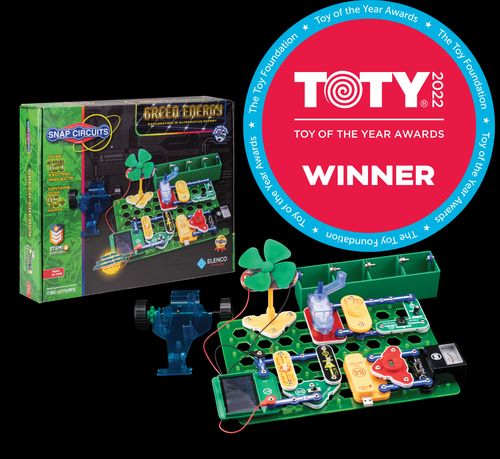
Immediate outcomes keep momentum. Build a circuit, flip a switch, get light, sound, or spin. That's enough payoff to hold attention.
Snap Circuits Jr. is a good bridge between instructions and experimentation. Early projects give fast wins, then older kids can start predicting what will happen when parts change. The downside is that the instruction-board format can feel repetitive for kids who crave total freedom. For those children, pair it with a more open engineering toy or compare it with Epic Circuits vs Snap Circuits for kids.
Open-ended builders
Pros
- ✓ Fast setup
- ✓ No rules, endless combinations
- ✓ Works solo or with siblings
Cons
- ✗ Pricey
- ✗ Pieces can crack under heavy force
- ✗ Storage can become chaotic
No instructions means no bottleneck. Kids jump straight into building and can pivot instantly when bored, which is exactly the point.
Magna-Tiles are a strong choice when boredom comes from over-structured toys. A child can make a garage, tower, zoo, marble ramp, castle, or colour pattern without waiting for an adult. They also work well for mixed-age siblings because younger kids can stack while older kids design. Store them in a clear bin, not loose with random toys, so the invitation to build stays obvious.
Quick dopamine hits in short bursts
Pros
- ✓ No batteries
- ✓ Immediate launch reward
- ✓ Outdoor energy release
Cons
- ✗ Needs open space
- ✗ Foam parts wear
- ✗ Limited complexity long-term
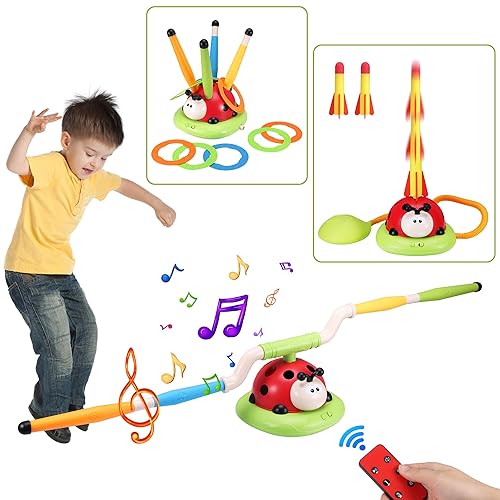
For kids with short attention cycles, quick-repeat action works. Stomp, launch, retrieve, repeat. Simple but highly engaging.
Stomp Rocket is best as an energy valve, not the only toy in the house. It gives a fast physical payoff and can become more interesting with target zones, distance marks, or angle challenges. The long-term depth is limited, but the setup speed is excellent. It belongs in a rotation beside a challenge toy and a calmer sensory tool.
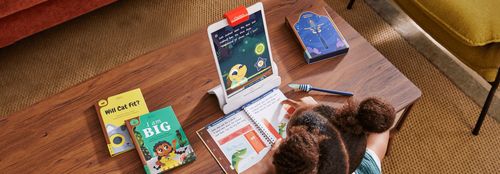
Kids who like screen interaction but need tactile input
Pros
- ✓ Combines physical play with digital feedback
- ✓ Multiple games reduce boredom
- ✓ Strong learning content
Cons
- ✗ Requires iPad
- ✗ Higher cost
- ✗ Best with parent setup initially
Some kids focus better when multiple channels are engaged. Osmo does that well: hands moving, eyes tracking, brain solving.
This is the screen-included exception on the list, and that matters. It is not a passive video toy; it uses physical pieces with digital feedback. It can be excellent for children who resist paper learning but engage when there is a responsive game layer. Skip it if your goal is strictly screen-free play or if app setup tends to cause conflict. For screen-free alternatives, see screen-free toys for kids.
Low-cost sensory engagement
Pros
- ✓ Portable
- ✓ Immediate tactile input
- ✓ Great for transitions and waiting
Cons
- ✗ Lower depth than larger toys
- ✗ Can be lost easily
- ✗ Not enough as primary play for some kids
Keep one in the car, backpack, desk, and living room. Micro-engagement tools help bridge the boredom gaps between bigger activities.
A fidget bundle is not a full play solution, but it is useful during waiting, transitions, homework listening, or wind-down time. The best fidgets are quiet, durable, and not too visually distracting. If a child chews, throws, or dismantles fidgets, choose sturdier sensory tools and supervise use. For school-safe options, see best fidget toys for school.
Creative challenge kids
Pros
- ✓ Build moving machines with LEGO pieces
- ✓ Clear challenge progression
- ✓ Encourages experimentation
Cons
- ✗ Needs patience for setup
- ✗ Uses many small parts
- ✗ Requires table space
This is brilliant for kids who crave novelty. Each chain reaction is a mini engineering puzzle with immediate payoff when it works.
It is more demanding than a basic LEGO set, which is both the strength and the risk. Kids who like tinkering will enjoy adjusting levers, ramps, and moving parts. Kids who want instant success may need an adult nearby for the first build. Keep the pieces separate from the general LEGO bin until the child understands the system; otherwise the specialised parts vanish.
Social, active engagement
Pros
- ✓ High movement and excitement
- ✓ Built-in game structure
- ✓ Great sibling play
Cons
- ✗ Louder play style
- ✗ Needs batteries
- ✗ Less useful for solo kids
Fast, active, game-based play keeps boredom away by design. Great for kids who need competition or co-play to stay engaged.
Laser tag is a better fit for siblings, playdates, or families who can set boundaries than for solo quiet play. Battery needs and noise are real drawbacks, but the engagement level is high when children need a structured active game. Set rules for rooms, furniture, and stopping points before play starts.
Hands-busy thinkers
Pros
- ✓ Portable
- ✓ Clear mastery progression
- ✓ Great for downtime
Cons
- ✗ Some kids bounce off quickly
- ✗ Can frustrate early
- ✗ Needs tutorial for first solves
A progression set gives novelty over time. Start easy, then step up. Perfect for kids who need challenge increments to maintain interest.
Puzzle cubes are not magic boredom cures. Some kids love the mastery path; others reject them immediately. They work best when paired with a beginner tutorial, a timer challenge, or a parent who treats the first solve as a shared project. The payoff is portability: once a child clicks with cubes, they can carry one almost anywhere.
Want better toy picks without the research rabbit hole?
Short, practical recommendations by age, need, and budget.
Buying Guide
Match toy type to boredom type
Needs movement: rockets, blasters, laser tag, outdoor targets.
Needs challenge: logic games, engineering kits, circuit kits, puzzle cubes.
Needs sensory input: tactile fidgets, kinetic play, open-ended building.
Needs novelty: modular systems like GraviTrax, Magna-Tiles, Chain Reactions, or LEGO Creator.
If you are buying for an ADHD-leaning child, also check learning toys for ADHD kids and best sensory toys for ADHD kids.
The 3:1 engagement setup
For boredom-prone kids, keep a mix of:
- 1 active toy
- 1 challenge toy
- 1 calming sensory tool
Rotate before boredom hits, not after meltdown. If everything is available all the time, the child may skim every option and settle on none.
Use toy stacking
One toy plus one context change can reset attention:
- Fidget + audiobook
- Magna-Tiles + timer challenge
- Blaster + obstacle course
- GraviTrax + “fix the failed track” prompt
- Stomp Rocket + distance markers
The point is to add a reason to re-engage without buying another toy.
Build for fast starts
Boredom-prone kids often need the first step to be obvious. Leave one challenge card out. Pre-sort the pieces. Store the active toy in a tray. Put a target on the wall before handing over the blaster. Tiny setup decisions can double the chance that the toy gets used.
Watch the cleanup load
A toy that creates too much cleanup friction will quietly disappear from the rotation. For small parts, use shallow bins. For outdoor toys, create a dart or rocket count before play begins. For fidgets, keep a small basket in the car or entryway.
FAQ
Are boredom-prone kids just "spoiled"?
Usually no. Many are novelty-seeking, sensory-seeking, or challenge-seeking. They need the right stimulation pattern, not more stuff. More toys can actually make the problem worse if none of them create a strong engagement loop.
Should I avoid screen-based toys?
Not necessarily. Hybrid tools like Osmo can be excellent. The issue is passive screen use, not all digital interaction. If screens cause conflict in your home, choose tactile and screen-free options first.
How many toys should be available at once?
Fewer than you think. Too many options can increase boredom. Rotate a curated set instead: one movement toy, one thinking toy, and one calming sensory option is often enough.
What if a toy gets abandoned after two days?
Reintroduce it later with a challenge context. Many “failed” toys succeed on second rotation when the child has a prompt, a sibling, a timer, or a different play space.
What is the safest first pick?
For most kids who get bored easily, choose a toy with a visible test-and-improve loop. GraviTrax is the strongest if budget and space allow. For a lower-cost option, try a puzzle cube set, Rush Hour-style logic game, Stomp Rocket, or fidget bundle.
Related guides
- Screen-Free Toys for Kids
- Learning Toys for ADHD Kids
- Best Fidget Toys for School
- Best Robot Toys for Kids
- Best Quiet Toys for Apartments
If You Can Only Buy One
GraviTrax Starter Set. It gives novelty, challenge, and immediate feedback in one system. For kids who get bored fast, that combination is hard to beat.
Want better toy picks without the research rabbit hole?
Get concise recommendations by age, need, and budget.
Where to go next
By age
Best Toys for 4-Year-Olds (Learning Through Play) (2026)
Keep the recommendations age-appropriate for your kid’s stage.
By need
Gifts for Neurodivergent Kids: A Parent's Guide (2026)
Jump to picks focused on ADHD, sensory, and regulation support.
By budget
Best Gifts for Kids Under $25 (2026)
Compare strong options in lower price brackets before you buy.
Related Articles
Best Toys for Kids Who Rush Through Homework
Focus-break and thinking toys for kids who hurry through homework, guess quickly, or need practice slowing down.
Read more →
Best No-Mess Sensory Toys for Bedrooms
Low-mess sensory toys that can live near the bed without sand, slime, batteries, or cleanup fights.
Read more →
Calm Strips vs Marble Mesh Fidget for Classroom Focus
A quiet fidget comparison for school, homework, and kids who need discreet tactile input.
Read more →