Learning Toys for ADHD Kids: Focus Without Frustration (2026)
10 toys designed for how ADHD brains actually work. Movement, novelty, and hands-on learning that keeps attention without forcing it.

Snapshot
| Toy | Age | Price | Best for | Link |
|---|---|---|---|---|
| Snap Circuits Jr. | 8+ | CAD $30–$45 | Hands-on learning with instant results | Check Price |
| Osmo Genius Starter Kit | 6-10 | CAD $100–$140 | Screen time that adapts to attention level | Check Price |
| Gravity Maze by ThinkFun | 8+ | CAD $30–$45 | Logic skills through visual, spatial puzzles | Check Price |
| Stomp Rocket | 3+ | CAD $20–$35 | Physics learning through full-body movement | Check Price |
Affiliate links. Prices can change.
ADHD brains don't lack attention. They lack interest-driven attention. Give an ADHD child something boring and they'll stare at the ceiling. Give them something genuinely engaging and they'll hyperfocus for two hours straight.
Snap Circuits Jr.
Hands-on circuit building with instant visual feedback. Perfect for ADHD brains that need to see results now.
The learning toys on this list work with ADHD brains, not against them. They use movement, novelty, tactile input, and genuine challenge to create the conditions where focus happens naturally.
Why Standard Learning Toys Fail ADHD Kids
Most educational toys are designed for neurotypical attention spans: sit still, follow steps, repeat. For ADHD kids, this is a recipe for frustration. What works instead:
- Movement. Let the body move while the brain works.
- Novelty. Changing tasks, multiple modes, surprises.
- Immediate feedback. Long delays between action and result lose them.
- Genuine challenge. Too easy is boring. Too hard is frustrating. The sweet spot is narrow.
- Choice. ADHD kids engage when they feel in control of what they're doing.
Our Top Picks
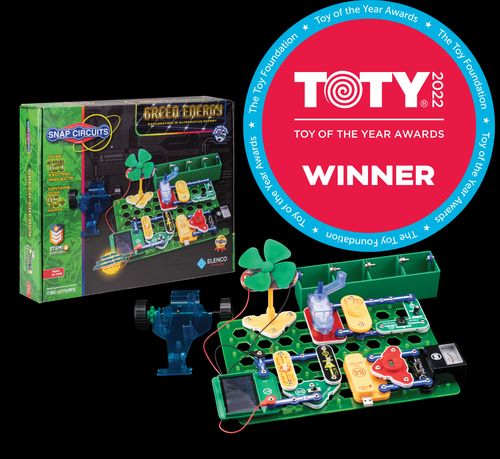
Hands-on learning with instant results
Pros
- ✓ Build, test, see result immediately
- ✓ 100+ different projects
- ✓ Constant novelty (new circuit every time)
Cons
- ✗ Need organization system for pieces
- ✗ Some projects need patience
- ✗ Instruction book is dense
Build a circuit. Flip the switch. It works (or it doesn't). Try again. The immediate feedback loop is perfect for ADHD brains. Each project is short enough to finish in one sitting but different enough to feel new. The hands-on building adds movement. One hundred projects means they won't burn through it in a weekend.
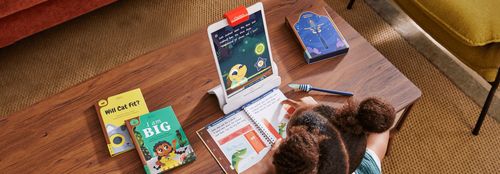
Screen time that adapts to attention level
Pros
- ✓ Physical pieces + screen = movement and visuals
- ✓ AI adapts difficulty in real time
- ✓ Switches between maths, spelling, art, coding
Cons
- ✗ Requires iPad or Fire tablet
- ✗ Can feel 'schoolish' to resistant kids
- ✗ Additional packs cost extra
Osmo combines physical manipulation (placing real tiles and pieces) with screen feedback. The AI adjusts difficulty automatically, which means it stays in the sweet spot: challenging enough to engage, not hard enough to frustrate. The ability to switch between maths, spelling, art, and coding prevents the "I'm bored of this" spiral.
Logic skills through visual, spatial puzzles
Pros
- ✓ Physical puzzle, not a worksheet
- ✓ Immediate feedback (marble either reaches target or doesn't)
- ✓ 60 challenges, escalating difficulty
Cons
- ✗ Marble gets lost
- ✗ Advanced levels are genuinely hard
- ✗ Solo only
A marble maze logic puzzle. Place towers on the board, drop the marble, see if it reaches the target. Wrong? Move a tower. Try again. The physical nature of it keeps hands busy while the brain solves the puzzle. The 60 challenge cards escalate slowly, which prevents the difficulty cliff that makes ADHD kids quit.
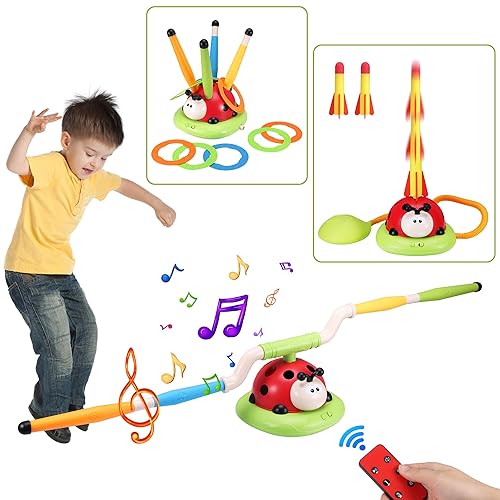
Physics learning through full-body movement
Pros
- ✓ Learn trajectory and force through play
- ✓ Burns energy while learning
- ✓ Zero waiting, zero setup
Cons
- ✗ Outdoor only
- ✗ Rockets get lost
- ✗ Not 'academic' enough for some parents
Stomp harder, rocket goes higher. Stomp at an angle, rocket goes farther. That's physics (force, trajectory, angle) learned through the body, not a textbook. For ADHD kids, the full-body movement IS the learning channel. They'll experiment with stomp force and launch angle without realizing they're doing science.
Engineering thinking with built-in movement breaks
Pros
- ✓ Build, crash, rebuild (natural movement cycle)
- ✓ Teaches balance and structural thinking
- ✓ Short build cycles suit ADHD attention
Cons
- ✗ Loud crashes
- ✗ Need flat surface
- ✗ Frustrating when structures collapse early
Build a tower. It falls. Build it differently. It falls differently. The crash-and-rebuild cycle is a natural attention reset. Each attempt is a fresh start with new ideas. The build phases are short enough for ADHD attention, and the crash provides a sensory break before the next round.
Maths practice that feels like a game
Pros
- ✓ Roll dice, race to solve
- ✓ Physical (rolling, moving) not sedentary
- ✓ Games last 5-10 minutes
Cons
- ✗ Can feel competitive (frustrating for some)
- ✗ Limited maths scope
- ✗ Need 2+ players
Roll dice, combine numbers to reach a target. First to get there moves forward. The game element bypasses the "this is maths homework" resistance. The physical dice rolling adds movement. Rounds are 5-10 minutes, which is the perfect attention window. No ADHD kid has ever said "I don't want to roll dice."
Coding logic for younger ADHD kids (no screens)
Pros
- ✓ Pet-themed coding toy (motivation!)
- ✓ Screen-free, button-based programming
- ✓ Story mode keeps attention
Cons
- ✗ Outgrown quickly
- ✗ Limited coding depth
- ✗ Battery-dependent
A cute robotic pet that kids program with button sequences. The pet theme provides emotional motivation (you're helping your pet navigate). The story mode creates a narrative that carries attention forward. For younger ADHD kids who aren't ready for screen-based coding, this is the entry point.
Sustained focus training disguised as fun
Pros
- ✓ 100 challenges in a self-contained sphere
- ✓ Tactile, movement-based
- ✓ Addictive 'one more try' loop
Cons
- ✗ Genuinely frustrating at higher levels
- ✗ Solo only
- ✗ Can be overstimulating
Navigate a marble through a 3D maze by tilting and turning the sphere. The "one more try" loop is incredibly powerful for ADHD brains. Each attempt is slightly different. The physical manipulation keeps hands engaged. And the challenge escalates naturally. Many parents report this as the toy their ADHD child focuses on longest.
Science learning through dramatic reveals
Pros
- ✓ Crack open a rock, find crystals inside
- ✓ Instant dramatic payoff
- ✓ Real geology learning
Cons
- ✗ One-time activity per geode
- ✗ Goggles and hammer needed
- ✗ Results vary (some geodes are better than others)
Crack open a rock. Find crystals inside. The dramatic reveal is perfect for ADHD brains that need immediate, exciting feedback. The geological concepts (mineral formation, crystal structure) are absorbed naturally through the excitement. The variability (you never know what's inside) adds novelty to every geode.
Calming focus activity for younger kids
Pros
- ✓ Rhythmic, repetitive motion is calming
- ✓ Builds fine motor skills
- ✓ Portable and quiet
Cons
- ✗ Very simple
- ✗ Laces fray
- ✗ Limited engagement for older kids
Thread a lace through holes in a colourful card. The rhythmic, repetitive motion is calming for ADHD brains that need to downregulate. It's the same principle as fidget toys, but with a productive outcome: a finished laced card. Best used as a calming activity, not a primary learning tool.
Want better toy picks without the research rabbit hole?
Short, practical recommendations by age, need, and budget.
Buying Guide
Match the toy to the ADHD profile
High energy, needs movement: Stomp Rocket, Keva Planks, Perplexus
Needs novelty and variety: Snap Circuits, Osmo, Break Open Geodes
Needs calming focus: Lacing cards, Gravity Maze, Perplexus
Resistant to "learning": Math Dice (game), Coding Critters (pet), Stomp Rocket (outdoor)
The 80/20 rule
For ADHD kids, 80% of the learning happens in 20% of the time. Short, intense bursts of engagement teach more than long, forced sessions. Choose toys that work in 10-20 minute windows, not hour-long projects.
Medication and toy choice
Toys that require sustained attention (Gravity Maze, Perplexus, Snap Circuits) often work best during medicated windows. Active toys (Stomp Rocket, Keva) work well regardless. This isn't a rule. It's a pattern parents report.
Related guides: sensory toys for ADHD | fidget toys approved for classrooms
FAQ
Should I tell my child these are "learning toys"?
No. ADHD kids often resist anything labelled "educational." Just give them the toy. If they ask, it's "a game" or "a puzzle" or "something cool." The learning is invisible. That's the whole point.
How long should I expect my ADHD child to play with one toy?
Expect 10-20 minutes, and consider that a win. Multiple short sessions across a week teach more than one forced marathon. If they hyperfocus for an hour, great. But don't expect or require it.
What about screen-based learning?
Screens aren't the enemy. Osmo is on this list because it uses screens well. The question is: does the screen create passive consumption or active learning? If your child is making decisions, solving problems, and physically interacting, it counts.
My ADHD child gets frustrated and quits. What helps?
Choose toys with very short feedback loops. Stomp Rocket: stomp, result, 3 seconds. Snap Circuits: build, test, 30 seconds. Geodes: crack, reveal, 1 minute. Long delays between effort and reward are where ADHD kids disengage. Shorten the loop.
If You Can Only Buy One
Snap Circuits Jr. Immediate feedback. Physical building. Constant novelty across 100+ projects. Short enough per project for ADHD attention windows. Teaches real electronics. $30. It's the single best learning toy for how ADHD brains actually work.
Want better toy picks without the research rabbit hole?
Get concise recommendations by age, need, and budget.
Where to go next
By age
Best Toys for 4-Year-Olds (Learning Through Play) (2026)
Keep the recommendations age-appropriate for your kid’s stage.
By need
Best Sensory Toys for Kids with ADHD (2026)
Jump to picks focused on ADHD, sensory, and regulation support.
By budget
Best Gifts for Kids Under $25 (2026)
Compare strong options in lower price brackets before you buy.
Related Articles
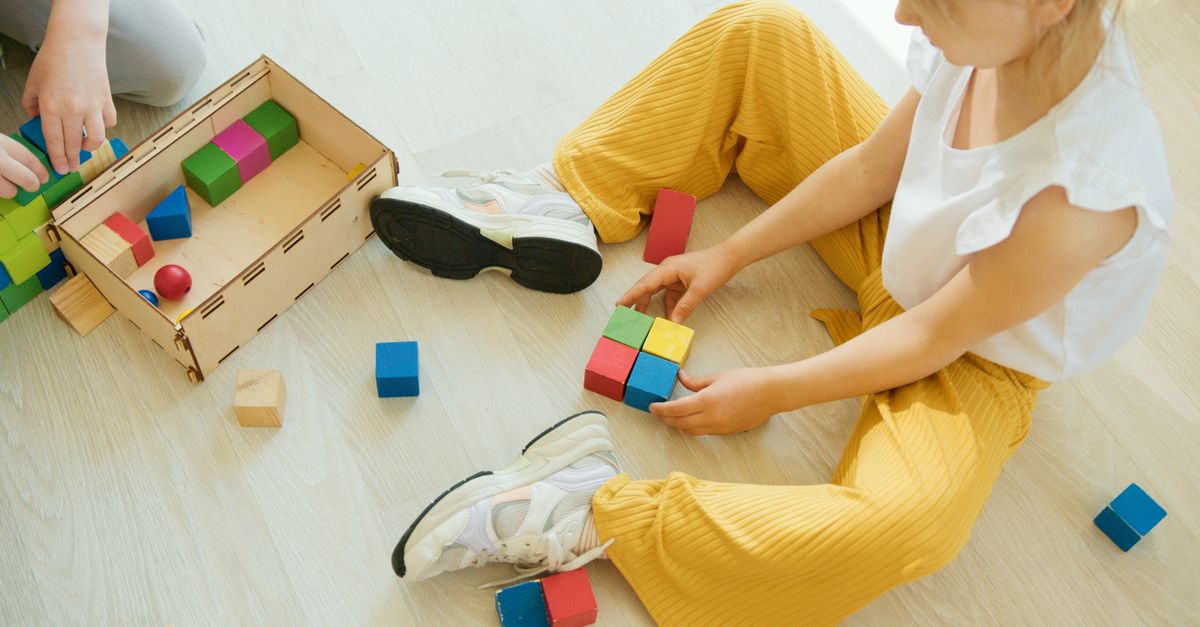
Best Toys for Kids Who Rush Through Homework
Focus-break and thinking toys for kids who hurry through homework, guess quickly, or need practice slowing down.
Read more →
Best No-Mess Sensory Toys for Bedrooms
Low-mess sensory toys that can live near the bed without sand, slime, batteries, or cleanup fights.
Read more →
Calm Strips vs Marble Mesh Fidget for Classroom Focus
A quiet fidget comparison for school, homework, and kids who need discreet tactile input.
Read more →