Best Calm-Down Toys for After School
Transition-friendly toys that help kids decompress after school before homework and dinner.
Snapshot
| Toy | Age | Price | Best for | Link |
|---|---|---|---|---|
| #1 Kinetic Sand Set | 3+ | CAD $25–$45 | Sensory regulation and transitions | Check Price |
| #2 Fat Brain Toys Dimpl | 1+ | CAD $15–$25 | Silent desk fidget for sustained focus | Check Price |
| #3 Weighted Lap Pad | 4+ | CAD $25–$45 | Deep-pressure input during homework, meals, and regulation breaks | Check Price |
| #4 Munchables Sensory Chew Necklace | 3+ | CAD $18–$30 | Wearable chew tool for ongoing oral sensory needs | Check Price |
Affiliate links. Prices can change.
The after-school window is usually a regulation problem, not a behaviour problem.
Many kids hold themselves together all day, then fall apart as soon as they get home. They are hungry, talked-out, overstimulated, and tired from transitions. A good calm-down toy gives the body a way to decompress before homework, dinner, chores, or bedtime expectations begin.
Kinetic Sand Set
Reliable engagement, low setup friction, and strong replay value for real family routines.
This guide focuses on toys that are practical, repeatable, and useful beyond the first week. If your child needs a full reset space, start with calm-down corner toys that actually help. If the after-school crash comes with huge feelings, calm toys for kids with big feelings goes deeper on emotional regulation.
What to Look For
- Fast entry. After school is not the time for a twenty-step project.
- Low noise. Loud electronic toys can keep the nervous system activated.
- Clear sensory feedback. Texture, pressure, slow motion, or simple creative focus can help kids downshift.
- Easy cleanup. Parents are usually making snacks, dinner, or transitions happen at the same time.
- A natural stop point. The toy should help the next routine, not create a second fight.
Why After-School Calm Is Different
After-school toys have a different job than weekend toys. They are not trying to maximize excitement. They are trying to bridge a hard transition: school expectations are over, home expectations are about to begin, and the child may have no regulation left.
For some kids, the best first step is tactile play. For others, it is pressure, chewing, or quiet creative focus. The key is to offer the tool before the meltdown peaks. A snack, water, bathroom break, and ten minutes with a calm toy can prevent a lot of homework battles. For kids who need movement before sitting again, see best toys for focus breaks between homework.
Our Top Picks
Kinetic Sand Set
Sensory regulation and transitions
Pros
- ✓ Very calming tactile input
- ✓ Low noise
- ✓ Easy start/stop
Cons
- ✗ Can get messy
- ✗ Best with tray
- ✗ Not ideal for carpet
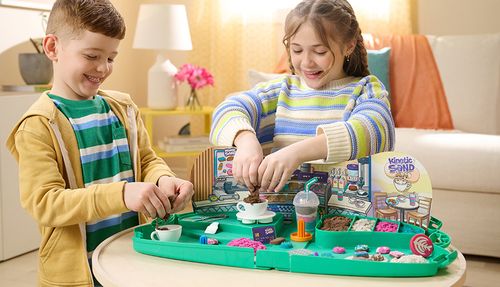
Kinetic sand is a strong after-school pick because it gives tired kids immediate tactile feedback. They can squeeze, scoop, press, cut, and rebuild without needing a parent to explain rules.
The setup matters. Use a tray, shallow bin, or washable mat, and keep it away from carpet. A clear boundary like “sand stays in the tray until snack is done” makes it much easier to use on school days. It is not mess-free, but it is usually easier to reset than paint, slime, or a full craft kit.
Fat Brain Toys Dimpl
Silent desk fidget for sustained focus
Pros
- ✓ Truly silent
- ✓ Durable
- ✓ Pocket-size
Cons
- ✗ Short play windows
- ✗ Skews younger
- ✗ Limited challenge
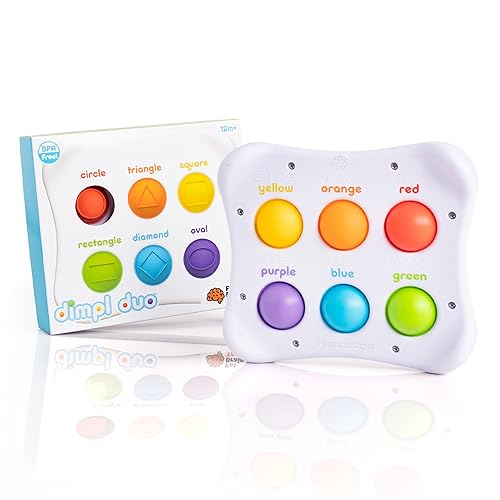
Dimpl is simple, quiet, and durable. Older kids may see it as babyish, but for younger children or kids who like repetitive sensory input, it can be a reliable decompression tool in the car, at the table, or during snack.
Its best use is short: five minutes of popping while a parent gets food ready, or a quiet hand tool while the house shifts from school mode to home mode. If your child needs a more discreet hand tool for school or homework, fidget toys that don't look like fidget toys may fit better.
Weighted Lap Pad
Deep-pressure input during homework, meals, and regulation breaks
Pros
- ✓ Grounding pressure input
- ✓ No setup needed
- ✓ Works across routines
Cons
- ✗ Too heavy for some kids
- ✗ Not ideal for travel
- ✗ Needs correct weight selection
A weighted lap pad can help kids who come home restless, scattered, or emotionally floaty. The pressure gives their body a clear signal: you are here, you are safe, and you do not have to keep bracing for the next school demand.
Use it as a choice, not a command. “Do you want the lap pad or the sand?” lands better than “sit still.” Follow the product's weight guidance, supervise younger children, and stop using it if your child says it feels uncomfortable.
Wearable chew tool for ongoing oral sensory needs
Pros
- ✓ Always available
- ✓ Looks like jewelry
- ✓ Easy to clean
Cons
- ✗ Not for under 3
- ✗ Cord can break with hard use
- ✗ Visible at school
Some after-school crashes show up as chewing: collars, sleeves, backpack straps, pencils, or fingers. A chew necklace gives that need a safer target and can reduce the constant reminders that make kids feel criticized.
Choose the right toughness level and inspect it often. Chew tools wear down, especially with hard biters. For more options in this lane, see best sensory tools for kids who chew.
Silent tactile input on desks, notebooks, and devices
Pros
- ✓ Invisible in class
- ✓ No loose parts
- ✓ Great for quick regulation
Cons
- ✗ Adhesive wears over time
- ✗ Limited texture per strip
- ✗ Needs clean surfaces
Calm Strips are useful after school because they are already in place. Put one near the snack spot, homework table, bedframe, or car seat area. A child can rub the texture without asking for a bin, batteries, or parent help.
They are best for kids who need small tactile input rather than big sensory play. If your child needs active decompression, sand or movement may work better. If they need subtle support during homework, see best homework fidgets for kids.
Crayola Light-Up Tracing Pad
Structured creative focus
Pros
- ✓ Low setup
- ✓ Visual rewards
- ✓ Good for focus blocks
Cons
- ✗ Needs batteries
- ✗ Paper management
- ✗ Can lose novelty
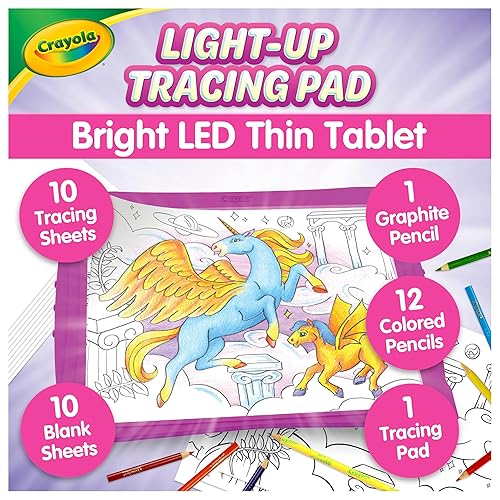
A light-up tracing pad is a calm creative option for kids who decompress through drawing but get overwhelmed by a blank page. Tracing gives structure, visible progress, and a satisfying finish without a messy craft spread.
Keep the session short and ready-to-start: paper, pencil, and one template. If the child has to search for supplies, the regulation benefit disappears. For kids who dislike open-ended crafts, best creative toys for kids who dislike crafts has more structured ideas.
A Simple After-School Reset Routine
1) Meet basic needs first
Before offering any toy, cover food, water, bathroom, and a few quiet minutes. A sensory toy cannot fix hunger or exhaustion.
2) Offer two choices
Try “sand or lap pad?” or “chew necklace or drawing?” Two choices give control without turning the whole shelf into a negotiation.
3) Set a gentle end point
Use a visible timer, a snack boundary, or a natural finish. “Ten minutes of sand, then we check the backpack” is clearer than “play until I say stop.”
4) Protect the transition into homework
Do not jump from a calm toy straight into a full worksheet stack. Start with one tiny task: open the planner, find the math page, write the date, or read the first question. If homework is the main stress point, use best desk fidgets for homework time to keep the table setup quieter.
What to Skip After School
Skip loud toys, competitive games, messy crafts without a tray, and screen rewards that are hard to stop. Those may be fine at other times, but they often make the after-school cliff steeper.
Also be careful with toys that require constant adult instruction. A good after-school calm toy should be easy to start while a parent is unpacking bags, cooking, or helping another child.
Want better toy picks without the research rabbit hole?
Short, practical recommendations by age, need, and budget.
FAQ
Are calm-down toys only for neurodivergent kids?
No. Autistic, ADHD, anxious, and sensory-sensitive kids may need them more predictably, but many children need help shifting from school demands to home life.
Should calm-down toys happen before homework?
Usually, yes. A short reset can make homework faster and less emotional. Keep it bounded so it does not turn into an hour-long avoidance routine.
What if my child refuses every calm toy?
Start smaller. Offer snack, water, dimmer lighting, or quiet time first. Some kids need no-demand recovery before they can choose a tool.
How many after-school toys should we keep out?
Start with three: one tactile option, one pressure or chew option, and one quiet creative or visual option. Rotate extras weekly if interest drops.
Related reads
- Calm-Down Corner Toys That Actually Help
- Calm Toys for Kids with Big Feelings
- Best Homework Fidgets for Kids
- Best Toys for Focus Breaks Between Homework
- Best Bedroom Calm Toys for Night Routine
If You Can Only Buy One
Kinetic Sand Set.
It offers the best mix of tactile decompression, quiet engagement, and easy transition support for many after-school routines.
Want better toy picks without the research rabbit hole?
Get concise recommendations by age, need, and budget.
Where to go next
By age
Best Toys for 4-Year-Olds (Learning Through Play) (2026)
Keep the recommendations age-appropriate for your kid’s stage.
By need
Best Sensory Toys for Kids with ADHD (2026)
Jump to picks focused on ADHD, sensory, and regulation support.
By budget
Best Gifts for Kids Under $25 (2026)
Compare strong options in lower price brackets before you buy.
Related Articles
Best Toys for Kids Who Rush Through Homework
Focus-break and thinking toys for kids who hurry through homework, guess quickly, or need practice slowing down.
Read more →
Best No-Mess Sensory Toys for Bedrooms
Low-mess sensory toys that can live near the bed without sand, slime, batteries, or cleanup fights.
Read more →
Calm Strips vs Marble Mesh Fidget for Classroom Focus
A quiet fidget comparison for school, homework, and kids who need discreet tactile input.
Read more →