Alternatives to LEGO Classic for Kids Who Need Variety
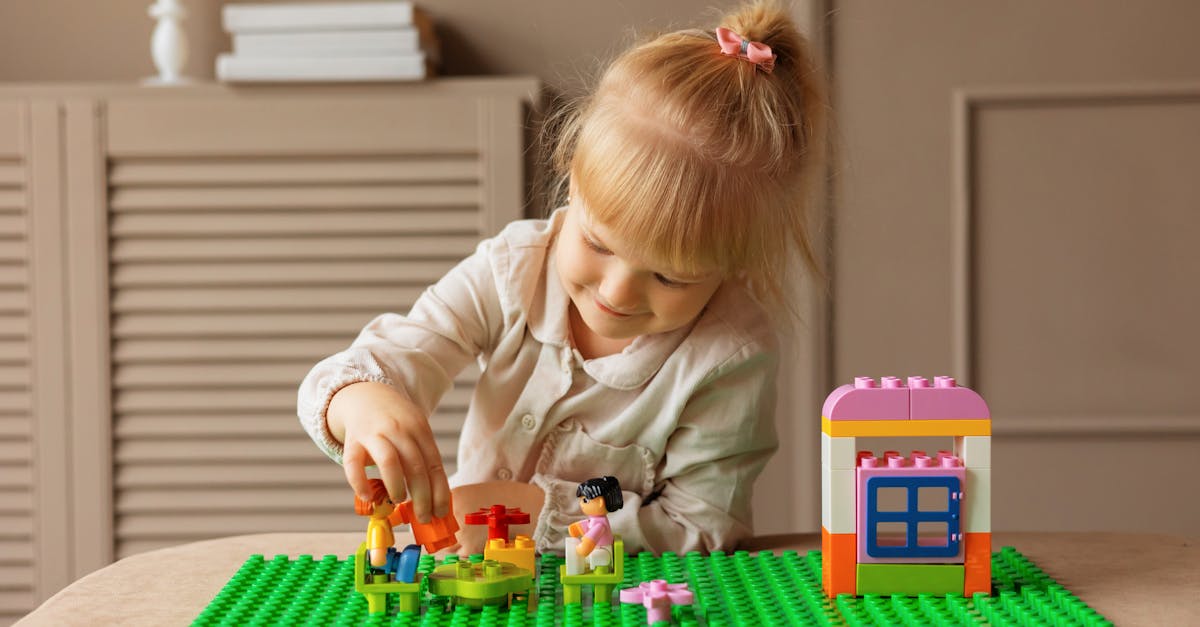
Great alternatives to LEGO Classic for kids who want different build experiences.
Snapshot
| Toy | Age | Price | Best for | Link |
|---|---|---|---|---|
| #1 Magna-Tiles Classic 100-Piece Set | 3+ | CAD $50–$80 | Open-ended building and creative focus | Check Price |
| #2 Plus-Plus Big Building Set | 5+ | CAD $20–$35 | Fine-motor creative focus | Check Price |
| #3 GraviTrax Starter Set | 8+ | CAD $55–$85 | Physics through play | Check Price |
| #4 Snap Circuits Jr. SC-100 | 8+ | CAD $45–$70 | Hands-on logic and electronics | Check Price |
Affiliate links. Prices can change.
LEGO Classic is still one of the best open-ended toy systems, but it is not the only way to build. Some kids love bricks for a while and then stall because every session starts to feel the same. Others want bigger pieces, magnetic feedback, marble runs, electronics, or a calmer building material that does not scatter across the whole room.
That is the moment to swap the building language instead of abandoning open-ended play. A good LEGO alternative keeps the same core benefit — planning, experimenting, revising, and showing off a finished creation — while changing the texture, scale, challenge level, or type of feedback.
Magna-Tiles Classic 100-Piece Set
Reliable engagement, low setup friction, and strong replay value for real family routines.
This guide is for kids who already enjoy making things but need more variety than another tub of bricks. It prioritizes toys that are easy to return to, do not require a screen, and give kids a different reason to keep building.
Quick Answer
For most families, Magna-Tiles Classic 100-Piece Set is the easiest LEGO Classic alternative because the pieces connect quickly, younger and older kids can both contribute, and cleanup is simpler than tiny-brick cleanup. If your child wants more precision and detail, Plus-Plus Big is the stronger quiet-table option. If they are ready for more cause-and-effect problem solving, GraviTrax or Snap Circuits Jr. gives a more obvious challenge loop.
The best choice depends less on which toy is “better” and more on what kind of variety your child needs:
- Bigger, faster builds: Magna-Tiles.
- Tiny creative detail: Plus-Plus.
- Physics and testing: GraviTrax.
- Electronics and logic: Snap Circuits.
- Calm loose-parts play: Grimm's Rainbow.
- Fresh project prompts: KiwiCo Tinker Crate.
What to Look For
A different type of feedback
If LEGO feels stale, buying more bricks often does not fix the problem. Look for a toy where the feedback changes: magnets snapping together, marbles rolling through a track, circuits lighting up, or curved wooden pieces turning into tunnels and landscapes. That small shift gives kids a new reason to experiment.
Enough freedom, but not total blank-page pressure
Some kids love pure open-ended play. Others freeze when the instruction booklet disappears. The strongest alternatives offer both: simple starter ideas plus room to invent. Magna-Tiles and Plus-Plus are good for free building; GraviTrax and Snap Circuits are better when a child likes a clear challenge with a visible result.
Storage that matches your tolerance
A toy with amazing replay value can still fail if cleanup is miserable. Magnetic tiles stack neatly. Plus-Plus and LEGO need containers with lids. GraviTrax needs sorted pieces if you want it to stay fun. Snap Circuits works best when the board and components go straight back into the box after each session.
Variety without overstimulation
More options can help, but too many parts on the floor can backfire. If your child gets overwhelmed, set out one small tray of pieces instead of the whole box. The goal is not maximum toy access; it is a build session that actually starts.
Our Top Picks
Open-ended building and creative focus
Pros
- ✓ Quiet play
- ✓ Long replay value
- ✓ Works solo or together
Cons
- ✗ Higher upfront cost
- ✗ Pieces scatter
- ✗ Needs storage bin
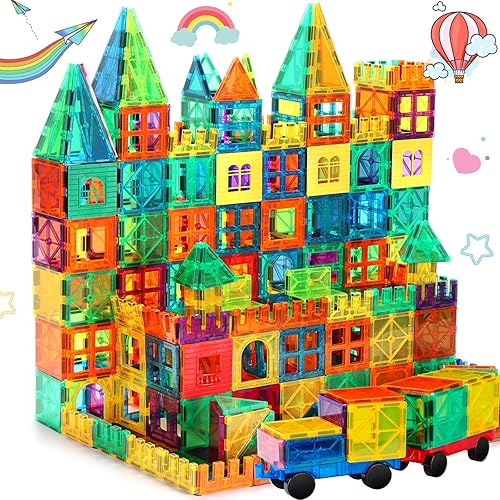
Magna-Tiles are the best first stop when LEGO Classic has become too fiddly or too familiar. The pieces connect instantly, so kids get a satisfying structure quickly without hunting for the exact brick. That makes them especially useful for kids who want to build big houses, towers, garages, zoos, or marble-adjacent ramps without spending half the session on alignment.
They are also unusually good for mixed-age play. A younger sibling can make walls and colour patterns while an older child experiments with symmetry, roof shapes, or taller structures. The main downside is cost, so this is a better “main system” purchase than a casual add-on. A lidded bin matters because the set is only easy if the pieces can be dumped, built with, and swept back quickly.
Plus-Plus Big Building Set
Fine-motor creative focus
Pros
- ✓ Compact
- ✓ Quiet tabletop use
- ✓ Strong concentration
Cons
- ✗ Smaller pieces
- ✗ Learning curve
- ✗ Can frustrate younger kids
Plus-Plus is the better pick for kids who want LEGO-like creativity but a different hand feel. Every piece is the same shape, which sounds limiting until kids discover how many 2D and 3D designs they can make from one repeated part. It encourages patterning, planning, and fine-motor persistence without the huge visual sprawl of a mixed LEGO bin.
Choose Plus-Plus when you want a compact toy for the kitchen table, restaurant bag, or quiet afternoon build. Skip it for kids who still get upset when pieces do not connect immediately; there is a small learning curve, especially for 3D models.
GraviTrax Starter Set
Physics through play
Pros
- ✓ Strong experimentation loop
- ✓ Visual cause/effect
- ✓ Expandable
Cons
- ✗ Needs floor/table space
- ✗ Pieces can be lost
- ✗ Best with a clear build area
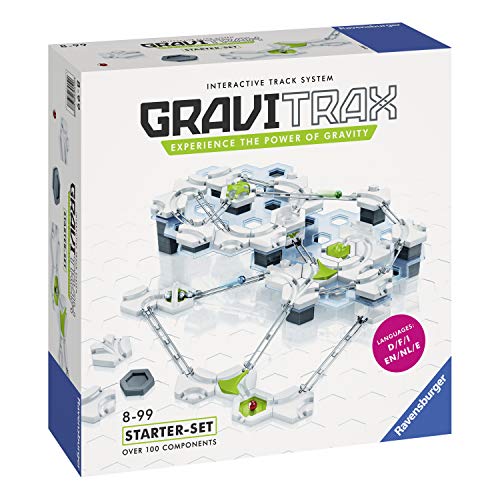
GraviTrax is not a brick replacement; it is a build-test-fix system. Kids design marble tracks, run the marble, watch where it fails, and adjust the layout. That loop is excellent for kids who need a clearer purpose than “make something cool.” It turns frustration into useful information because the track either works, almost works, or obviously needs a change.
The tradeoff is space. GraviTrax works best on a table or hard floor where pieces can stay out for a focused session. It is less ideal as a five-minute toy before dinner. For a deeper comparison of this style of engineering play, see Roller Coaster Challenge vs GraviTrax for Engineering Kids.
Snap Circuits Jr. SC-100
Hands-on logic and electronics
Pros
- ✓ Clear challenge progression
- ✓ High educational value
- ✓ Strong replay
Cons
- ✗ Can frustrate younger kids
- ✗ Needs organization
- ✗ Best with guidance early
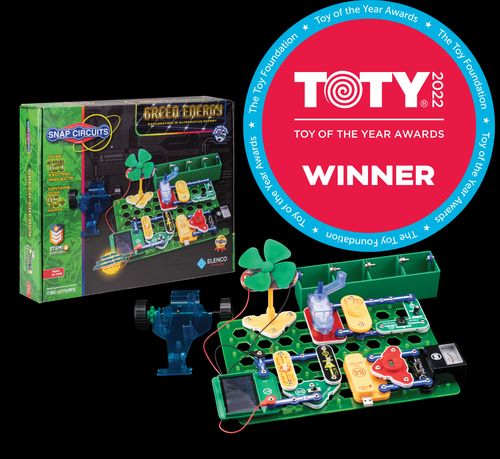
Snap Circuits Jr. is a strong alternative when your child is less interested in pretend structures and more interested in how things work. The pieces snap onto a board to make lights, sounds, switches, and simple circuits. It feels more like a science lab than a construction bin.
This is best for kids who like instructions, sequences, and predictable cause-and-effect. It is not as open-ended as LEGO or Magna-Tiles, but that structure can be the point. If you are deciding between electronics kits, Epic Circuits vs Snap Circuits for Kids goes deeper on the tradeoffs.
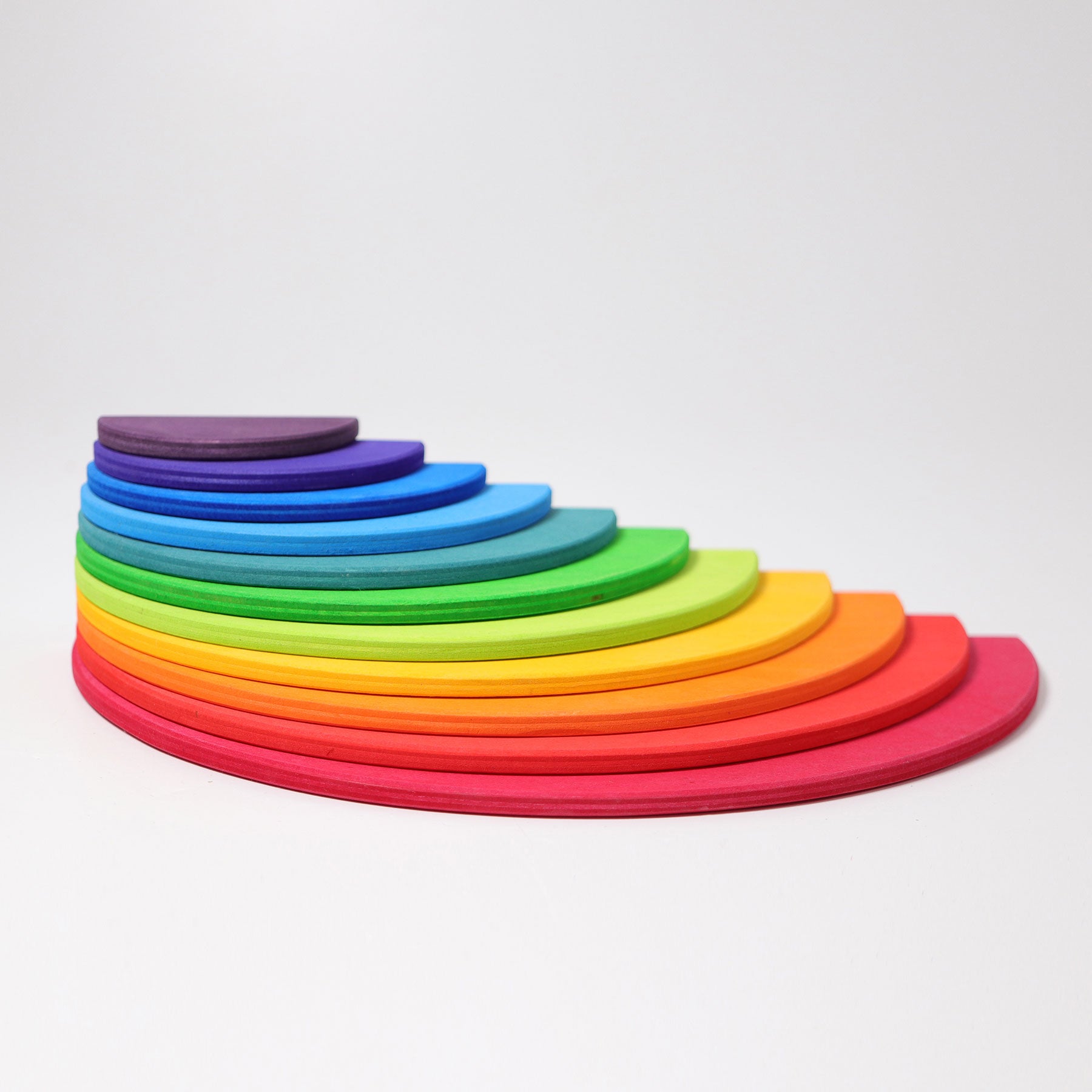
Grimm's Rainbow Stacker
Loose parts imagination play
Pros
- ✓ Beautiful open-ended design
- ✓ Long lifespan
- ✓ Calm play style
Cons
- ✗ Premium price
- ✗ Not for rough use
- ✗ Pieces can go missing
Grimm's Rainbow is for a very different kind of builder. Instead of snapping, clicking, or following diagrams, kids use curved wooden pieces as bridges, tunnels, fences, doll beds, animal homes, balancing challenges, or scenery for other toys. It shines when a child wants slower, calmer, story-based play.
It is not the best value if your child wants lots of pieces or a technical challenge. It is a better fit for families who want a beautiful, long-lasting loose-parts toy that can live beside blocks, animals, peg dolls, or pretend play sets.

Monthly project-based STEM learning
Pros
- ✓ New project cadence
- ✓ Builds confidence
- ✓ Good instructions
Cons
- ✗ Subscription cost
- ✗ Waiting between crates
- ✗ Some projects need help
KiwiCo Tinker Crate is the variety pick. Instead of one reusable system, kids get a new project with materials and instructions. That can be perfect for a child who likes finishing a defined build and then moving on. It also helps parents who do not want to research a new science or engineering project every month.
The downside is that a subscription is less open-ended than a reusable building set. Some crates become display projects rather than daily toys. It works best when your child enjoys following directions and you are comfortable helping with tricky steps the first time through.
How to Choose by Child Type
For kids who build big, fast, and visually
Choose Magna-Tiles. The big pieces reduce friction and the results look impressive quickly. It is also the safest bet for sibling play because every child can add something without needing the exact matching brick.
For kids who like tiny details and patterns
Choose Plus-Plus. It rewards patience and repeated small decisions. It can feel meditative for kids who like keeping their hands busy while making something specific.
For kids who need a visible challenge
Choose GraviTrax or Snap Circuits. These are better when “just build anything” is too vague. The marble rolls or the circuit works, so progress is obvious.
For kids who are overstimulated by plastic bins
Choose Grimm's Rainbow or a smaller Magna-Tiles tray. A calmer material and fewer pieces can help a child stay with the play instead of dumping everything and walking away.
Want better toy picks without the research rabbit hole?
Short, practical recommendations by age, need, and budget.
Practical Setup Tips
1) Start with one building zone
Use a tray, mat, table, or small rug so the play has a boundary. This makes cleanup easier and helps kids see what is available without spreading every piece across the room.
2) Put away most of the pieces
For LEGO fatigue, the answer is rarely “more parts at once.” Try a limited build prompt: ten Magna-Tiles, one handful of Plus-Plus, or one GraviTrax base plate. Constraint often creates better play.
3) Add a tiny prompt, not a full lesson
Say “Can you build a bridge for this car?” or “Can you make the marble turn twice?” rather than turning the toy into schoolwork. The prompt should open play, not control it.
4) Rotate weekly
Keep one main builder out for a week, then swap. Rotation keeps novelty high without training kids to expect a constant stream of new toys.
FAQ
What is the closest LEGO Classic alternative?
Magna-Tiles is the closest in spirit because it supports open-ended building, pretend play, and repeated rebuilding. Plus-Plus is closer for kids who want small-piece detail, but it has a different connection style and a steeper learning curve.
What should I choose for an 8-year-old who is bored with LEGO?
For an 8-year-old, GraviTrax and Snap Circuits are often more exciting than another general building set because they introduce physics, testing, and logic. Magna-Tiles still works if the child likes large-scale builds or sibling projects.
Are these toys worth buying if we already own LEGO?
Yes, if they fill a different role. Do not buy another open-ended set just to create novelty. Buy a different play pattern: magnetic construction, marble-run engineering, electronics, or loose-parts storytelling.
How do I avoid creating another messy toy bin?
Choose one system, buy a storage bin with a lid, and keep only a portion accessible. If a toy needs sorted pieces, store it sorted from the beginning. Once every part is mixed with everything else, replay value drops.
Related reads
- Best Building Toys Beyond LEGO
- Magna-Tiles vs LEGO Classic for Open-Ended Play
- Plus-Plus vs LEGO Classic for Open-Ended Building Play
- Best Open-Ended Toys for Shared Sibling Play
- Screen-Free Toys for Kids
If You Can Only Buy One
Magna-Tiles Classic 100-Piece Set.
It gives the best balance of low-friction building, calm engagement, sibling flexibility, and long-term replay for most households. If your child specifically wants more challenge than free building, choose GraviTrax instead.
Want better toy picks without the research rabbit hole?
Get concise recommendations by age, need, and budget.
Where to go next
By age
Best Toys for 4-Year-Olds (Learning Through Play) (2026)
Keep the recommendations age-appropriate for your kid’s stage.
By need
Gifts for Neurodivergent Kids: A Parent's Guide (2026)
Jump to picks focused on ADHD, sensory, and regulation support.
By budget
Best Gifts for Kids Under $25 (2026)
Compare strong options in lower price brackets before you buy.
Related Articles
Plus-Plus vs LEGO Classic for Open-Ended Building Play
Which open-ended building toy fits better for independent play, mixed-age creativity, and flexible building sessions?
Read more →
Best Fine-Motor Toys for Early Elementary Kids
Building, arranging, and hands-on toys that help early elementary kids practise finger control through play.
Read more →
Best Shared Sibling Toys for 6-Year-Olds
Flexible toys siblings can use together around age 6, with fewer arguments and more cooperative play.
Read more →