Best Shared Sibling Toys for 6-Year-Olds
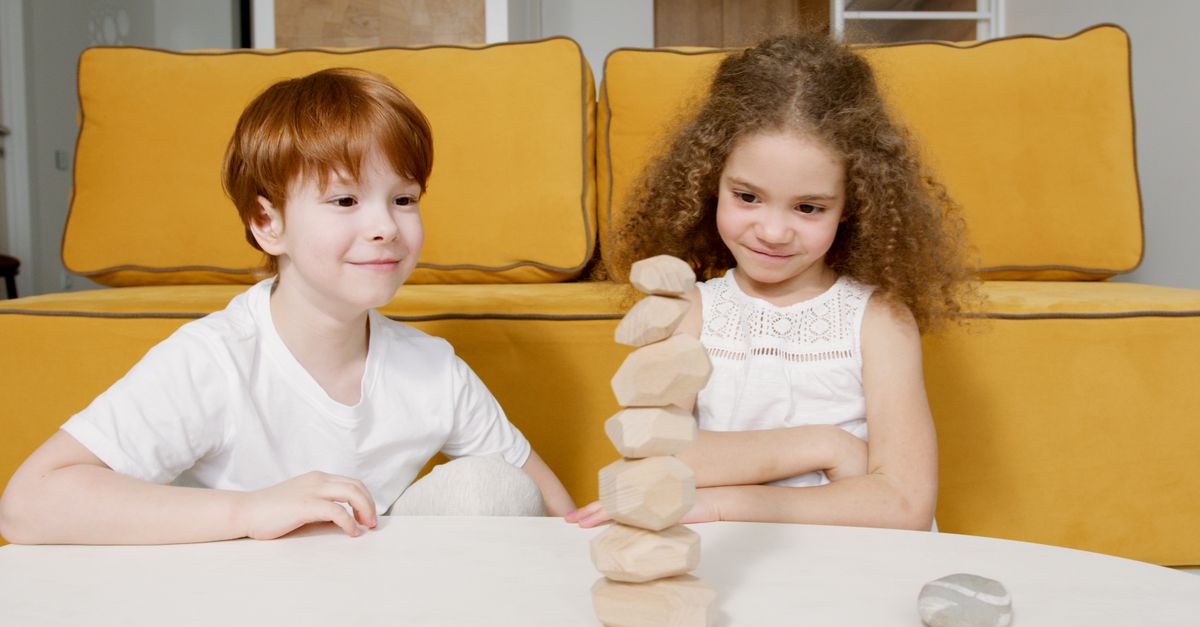
Flexible toys siblings can use together around age 6, with fewer arguments and more cooperative play.
Snapshot
| Toy | Age | Price | Best for | Link |
|---|---|---|---|---|
| #1 LEGO Classic Medium Creative Brick Box | 4+ | CAD $35–$65 | Structured creativity that scales with age | Check Price |
| #2 Ravensburger GraviTrax Starter Set | 8+ | CAD $55–$85 | Physics through play | Check Price |
| #3 Snap Circuits Jr. SC-100 | 8+ | CAD $45–$70 | Hands-on logic and electronics | Check Price |
| #4 Magna-Tiles Clear Colors 32-Piece Set | 3+ | CAD $70–$95 | Open-ended building and creative focus | Check Price |
Affiliate links. Prices can change.
Six-year-old sibling play is a tricky middle ground. Many kids this age want the independence of a bigger kid, but they still melt down when a younger sibling wrecks the build, grabs the favourite colour, or changes the rules halfway through.
The best shared sibling toys for 6-year-olds are not just “two-player toys.” They give each child a real role, make it easy to restart after conflict, and leave room for different skill levels. A 6-year-old can build, sort, narrate, race, test, or decorate while an older or younger sibling participates without needing to be exactly equal.
For most families, the safest bet is an open-ended construction toy with enough pieces for parallel play. Board games can work beautifully too, but they need shorter rules, quick turns, and a grown-up nearby at first. This guide favours toys that can handle rainy afternoons, before-dinner gaps, and weekend play without turning every session into a referee job.
LEGO Classic Medium Creative Brick Box
Reliable engagement, low setup friction, and strong replay value for real family routines.
This guide focuses on toys that are practical, repeatable, and useful beyond the first week. I weighted each pick toward low argument risk, easy cleanup, and the ability for siblings to play side by side even when one child is more advanced.
What to Look For
- Enough materials for two kids. A shared toy needs enough bricks, tiles, cards, or track pieces that nobody has to wait constantly.
- Parallel play options. The best sibling toys let kids work beside each other before they are ready to fully cooperate.
- Clear turn structure when needed. Games should have obvious turns and a short reset if someone gets upset.
- Low ownership tension. Avoid toys with one “best” controller, one special piece, or one role that everyone wants.
- Storage that supports reuse. If pieces are impossible to organise, the toy becomes a parent chore instead of a sibling tool.
Our Top 6 Picks
Structured creativity that scales with age
Pros
- ✓ Huge replay value
- ✓ Scales with age
- ✓ Great imagination tool
Cons
- ✗ Cleanup friction
- ✗ Stepping hazard
- ✗ Can overwhelm if too many pieces out
Physics through play
Pros
- ✓ Strong experimentation loop
- ✓ Visual cause/effect
- ✓ Expandable
Cons
- ✗ Needs floor/table space
- ✗ Pieces can be lost
- ✗ Best with a clear build area
Snap Circuits Jr. SC-100
Hands-on logic and electronics
Pros
- ✓ Clear challenge progression
- ✓ High educational value
- ✓ Strong replay
Cons
- ✗ Can frustrate younger kids
- ✗ Needs organization
- ✗ Best with guidance early
Open-ended building and creative focus
Pros
- ✓ Quiet play
- ✓ Long replay value
- ✓ Works solo or together
Cons
- ✗ Higher upfront cost
- ✗ Pieces scatter
- ✗ Needs storage bin
ThinkFun Gravity Maze
Co-solving logic challenges
Pros
- ✓ Great age fit for 9-year-olds
- ✓ Encourages planning
- ✓ Compact setup
Cons
- ✗ Can become one-kid-at-a-time
- ✗ Harder cards may need help
- ✗ Less open-ended than building sets
Short sibling game sessions
Pros
- ✓ Built for 2-4 players
- ✓ Short sessions
- ✓ Clear shared rules
Cons
- ✗ Seasonal theme
- ✗ Requires turn-taking
- ✗ Less open-ended than construction toys
Why These Picks Made the List
LEGO Classic Medium Creative Brick Box
LEGO Classic is the most forgiving choice for sibling play because kids can build together or separately from the same box. One child can make vehicles, another can build houses, and a third can sort colours or create mini characters. That flexibility matters when a 6-year-old wants connection but not constant negotiation.
The main caution is piece sprawl. Put a tray, shallow bin, or play mat under the build area and limit the first session to part of the box. LEGO works best as a repeatable family tool when cleanup has a clear finish line.
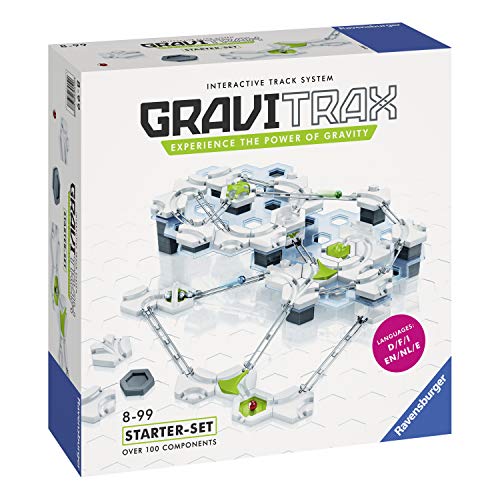
Ravensburger GraviTrax Starter Set
GraviTrax is better for households where siblings enjoy experimenting together. It naturally creates jobs: builder, marble tester, problem spotter, and reset person. That can reduce “mine” behaviour because the track only works when everyone contributes.
The age range is higher than 6, so this is strongest when a 6-year-old is playing with an older sibling or a parent. If frustration shows up quickly, start with copying one simple track from the guide before inviting freestyle design.
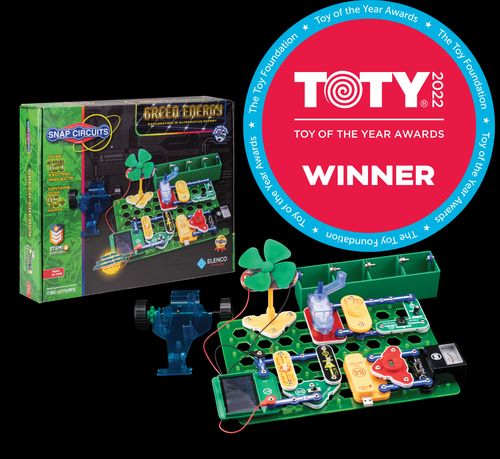
Snap Circuits Jr. SC-100
Snap Circuits Jr. gives siblings a shared mission instead of a vague “go play together” prompt. The numbered projects make it easier to decide what to do next, and the payoff is visible when a light, fan, or sound module works.
For a 6-year-old, this is not always independent play. Treat the younger child as the parts finder, snap checker, or switch tester while an older sibling reads the diagram. That keeps the 6-year-old included without making the whole activity too hard.
Magna-Tiles Clear Colors 32-Piece Set
Magna-Tiles are excellent for mixed ages because even simple stacking feels satisfying. A 6-year-old can build houses, garages, fences, towers, or pretend-play scenes while a younger sibling makes flat shapes nearby. The magnetic feedback also lowers frustration because pieces connect quickly.
The 32-piece set is a good starting point, but sibling play improves with more pieces. If two kids regularly fight over triangles or squares, add a storage rule before buying more: every build gets photographed, then tiles go back into one bin.
ThinkFun Gravity Maze
Gravity Maze is the most structured logic pick here. It can be a good sibling toy when kids enjoy taking turns solving cards or when one child likes designing while the other tests the marble path. It is not as open-ended as LEGO or tiles, but it gives strong planning practice.
The risk is that one child dominates the challenge. Use “builder and tester” roles, then swap every card. If a card is too hard, let the 6-year-old choose pieces or predict where the marble will go rather than solving the whole puzzle.
Ticket to Ride: First Journey - Ghost Train
This is the best true game pick for short sibling sessions. It has real rules, but it is still simpler and faster than many family board games. The route-building gives kids a visible goal, which helps 6-year-olds understand why they are waiting for a turn.
Use it when the kids are already somewhat regulated. If one child is tired or hungry, choose Magna-Tiles or LEGO instead. Games teach turn-taking, but they also expose every weak spot in sibling patience.
How to Set Up Sibling Play So It Actually Works
1) Start with parallel play, then invite cooperation
Instead of saying “build together,” try “you each build one part of the city.” Parallel play lets siblings warm up beside each other before they need to share every decision.
2) Give roles before the conflict starts
For build toys, try designer, builder, tester, and photographer. For games, try card helper, route finder, scorekeeper, and turn reminder. Roles are especially useful when one sibling is older or more confident.
3) Use a visible timer for the first session
Short play blocks protect the toy from becoming associated with arguments. Ten calm minutes are better than forty minutes that end in tears. You can always extend if the kids are still steady.
4) Create a “save or reset” ritual
At the end, kids choose: photograph the build and clean up, or save it in one agreed space. This prevents the common next-day fight where one child believes the project is still active and another wants the pieces.
5) Keep a duplicate-friendly bin
For siblings, boring duplicate pieces are often better than one spectacular hero piece. Basic bricks, magnetic squares, marble supports, and extra game tokens reduce the sense that one child controls the whole activity.
Best Fit by Family Situation
- Two close-in-age siblings: LEGO Classic or Magna-Tiles are the safest starting points because both kids can participate at the same time.
- One 6-year-old with an older sibling: GraviTrax or Snap Circuits can work well if the older child gets a leadership role without taking over.
- Kids who need rules to avoid chaos: Ticket to Ride: First Journey gives a clearer beginning, middle, and end.
- Kids who argue over winning: Choose construction toys before competitive games. Add games later when turn-taking is easier.
- Small home or apartment: Gravity Maze and Ticket to Ride are easier to contain than a large floor build.
Want better toy picks without the research rabbit hole?
Short, practical recommendations by age, need, and budget.
FAQ
What makes a good sibling toy for a 6-year-old?
A good sibling toy gives each child something meaningful to do at the same time. For this age, open-ended building toys usually work better than toys with one controller, one special part, or one fixed script.
Should I buy two of the same toy to prevent fighting?
Sometimes, but not always. For consumables, art supplies, and favourite figures, duplicates can help. For construction sets, it is usually better to buy one larger shared set with lots of basic pieces and a clear cleanup system.
What if one child always takes over?
Use roles and rotate them. One child can design, one can build, one can test, and one can photograph or reset. If the takeover continues, switch to parallel play: separate builds from the same bin, then a short show-and-tell at the end.
Are board games good for sibling bonding?
They can be, but they are not the easiest starting point for every family. Board games require turn-taking, losing, and rule flexibility. If weekends are already tense, start with building toys and use short games once the kids are calmer.
How do I reduce cleanup battles?
Use one storage bin per toy category and stop before everyone is exhausted. A photo of the finished build helps kids let go because the work is still remembered, even after the pieces are packed away.
Related reads
- Best Creative Toys for 5-Year-Olds
- Best Shared Sibling Toys for 7-Year-Olds
- Best Building Toys Beyond LEGO
- Screen-Free Toys for Kids
- Best Screen-Free Weekend Toys for 5-Year-Olds
If You Can Only Buy One
LEGO Classic Medium Creative Brick Box is the safest first pick for most 6-year-old sibling play. It has enough flexibility for different ages, supports both solo and shared builds, and can be refreshed with simple family prompts instead of requiring a new toy every month.
Want better toy picks without the research rabbit hole?
Get concise recommendations by age, need, and budget.
Where to go next
By age
Best Bedtime Calm Toys for 6-Year-Olds
Keep the recommendations age-appropriate for your kid’s stage.
By need
Gifts for Neurodivergent Kids: A Parent's Guide (2026)
Jump to picks focused on ADHD, sensory, and regulation support.
By budget
Best Gifts for Kids Under $25 (2026)
Compare strong options in lower price brackets before you buy.
Related Articles
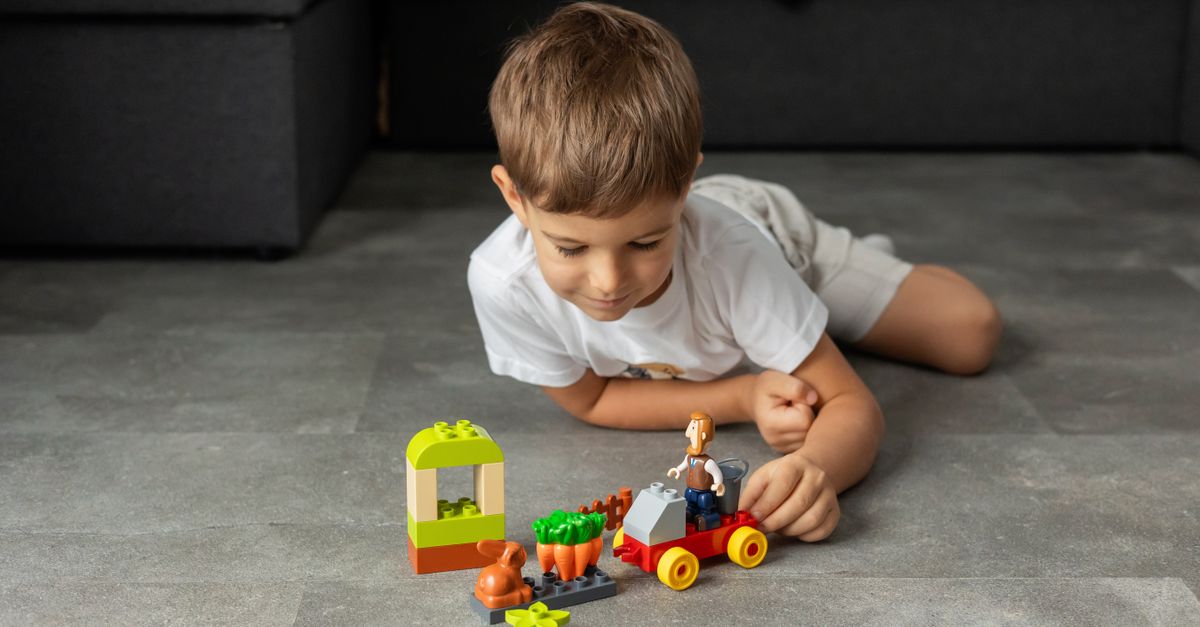
Plus-Plus vs LEGO Classic for Open-Ended Building Play
Which open-ended building toy fits better for independent play, mixed-age creativity, and flexible building sessions?
Read more →
Best Fine-Motor Toys for Early Elementary Kids
Building, arranging, and hands-on toys that help early elementary kids practise finger control through play.
Read more →
Magna-Tiles vs LEGO Classic for Open-Ended Play
Which open-ended toy wins for focus, creativity, cleanup, and replay value?
Read more →