Best Shared Sibling Toys for 8-Year-Olds
Flexible toys siblings can use together around age 8, with fewer arguments and more cooperative play.

Snapshot
| Toy | Age | Price | Best for | Link |
|---|---|---|---|---|
| #1 Magna-Tiles Classic 100-Piece Set | 3+ | CAD $50–$80 | Open-ended building and creative focus | Check Price |
| #2 LEGO Classic Creative Brick Box | 4+ | CAD $35–$55 | Structured creativity that scales with age | Check Price |
| #3 Grimm's Rainbow Stacker | 1+ | CAD $85–$110 | Loose parts imagination play | Check Price |
| #4 Plus-Plus Big Building Set | 5+ | CAD $20–$35 | Fine-motor creative focus | Check Price |
Affiliate links. Prices can change.
The best shared sibling toys for 8-year-olds are not always the flashiest toys. They are the toys with enough room for two kids to play differently at the same time. At this age, one child may want rules, plans, and finished builds while another still wants pretend play, sensory input, or quick wins. A good sibling toy has to survive both styles without turning every session into a negotiation.
Open-ended toys help because there is no single correct way to play. One child can design the city while the other makes the vehicles. One can build the marble run while the other tests it. One can trace, colour, or decorate while the other invents the story around it. The toy gives them a shared language, but not a single narrow script.
Magna-Tiles Classic 100-Piece Set
Reliable engagement, low setup friction, and strong replay value for real family routines.
This guide focuses on toys that are practical for real homes: enough replay value to justify the space, enough flexibility for sibling age gaps, and enough structure to reduce arguments before they start.
Quick Answer
For most families with an 8-year-old and a sibling, Magna-Tiles Classic 100-Piece Set is the easiest shared toy because the pieces divide naturally, builds happen quickly, and younger or older siblings can both contribute. LEGO Classic is better for detail-oriented kids who can handle cleanup. Kinetic Sand is better for calmer parallel play when cooperation is not happening. Plus-Plus and the Crayola Light-Up Tracing Pad work best when both kids can share a table without needing the same exact piece at the same time.
If arguments are the main issue, do not start by buying the most complex toy. Start with the toy that makes turn-taking obvious and ownership less fragile.
What to Look For
Enough pieces for two kids
Sibling conflict often starts because one child needs “that exact piece.” Sets with many similar pieces are easier to share than sets with one special part that everyone wants. Magna-Tiles, LEGO Classic, Plus-Plus, and Kinetic Sand all work better when each child can have a small zone or handful of materials.
Multiple play roles
The strongest shared toys let kids take different jobs. Builder and decorator. Designer and tester. Shopkeeper and customer. Artist and storyteller. When both kids need the same role, conflict rises. When the toy creates natural roles, cooperation feels less forced.
Fast re-entry after a disagreement
Sibling play will break sometimes. A useful toy lets kids restart without rebuilding the entire world from scratch. Magnetic tiles are excellent here because a collapsed building can become a new one in minutes. Kinetic Sand is also forgiving because smashing and rebuilding is part of the play.
A cleanup plan before play starts
The toy is not truly family-friendly if cleanup always turns into a second fight. Use trays, bins, mats, or separate bowls. For 8-year-olds, it is reasonable to make cleanup part of the routine: “You can save one build; everything else goes back before dinner.”
Our Top Picks
Open-ended building and creative focus
Pros
- ✓ Quiet play
- ✓ Long replay value
- ✓ Works solo or together
Cons
- ✗ Higher upfront cost
- ✗ Pieces scatter
- ✗ Needs storage bin
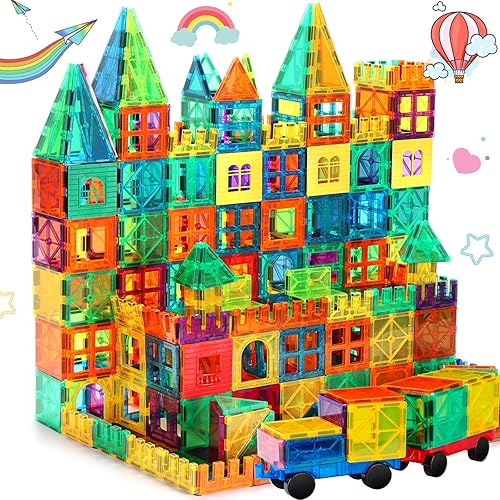
Magna-Tiles are the best overall sibling toy because they are easy to divide and easy to combine. Two kids can build separate houses, then connect them into a town. One child can make a garage while another makes animals, furniture, windows, or colour patterns. The magnetic feedback is quick enough that younger siblings can participate, but an 8-year-old can still experiment with taller structures, symmetry, bridges, and pretend scenes.
They are also lower-conflict than many building sets because the pieces are larger and less specialized. There will still be favourite colours and shapes, but there are fewer tiny one-of-a-kind parts to fight over. If sibling play is a big priority, a 100-piece set is more practical than a tiny starter set.
Structured creativity that scales with age
Pros
- ✓ Huge replay value
- ✓ Scales with age
- ✓ Great imagination tool
Cons
- ✗ Cleanup friction
- ✗ Stepping hazard
- ✗ Can overwhelm if too many pieces out
LEGO Classic is still excellent for siblings when both children can tolerate small pieces and delayed results. The open brick box supports vehicles, houses, creatures, shops, forts, and all the tiny accessories that 8-year-olds often love. It also scales well: a younger child can stack simple towers while an older child builds detailed scenes.
The biggest issue is not play value; it is management. Too many pieces out at once can create visual chaos and cleanup dread. For sibling sessions, give each child a tray or small bowl of bricks, then keep the shared bin in the middle. If LEGO has already become stale, Alternatives to LEGO Classic for Kids Who Need Variety may be the better next read.
Grimm's Rainbow Stacker
Loose parts imagination play
Pros
- ✓ Beautiful open-ended design
- ✓ Long lifespan
- ✓ Calm play style
Cons
- ✗ Premium price
- ✗ Not for rough use
- ✗ Pieces can go missing
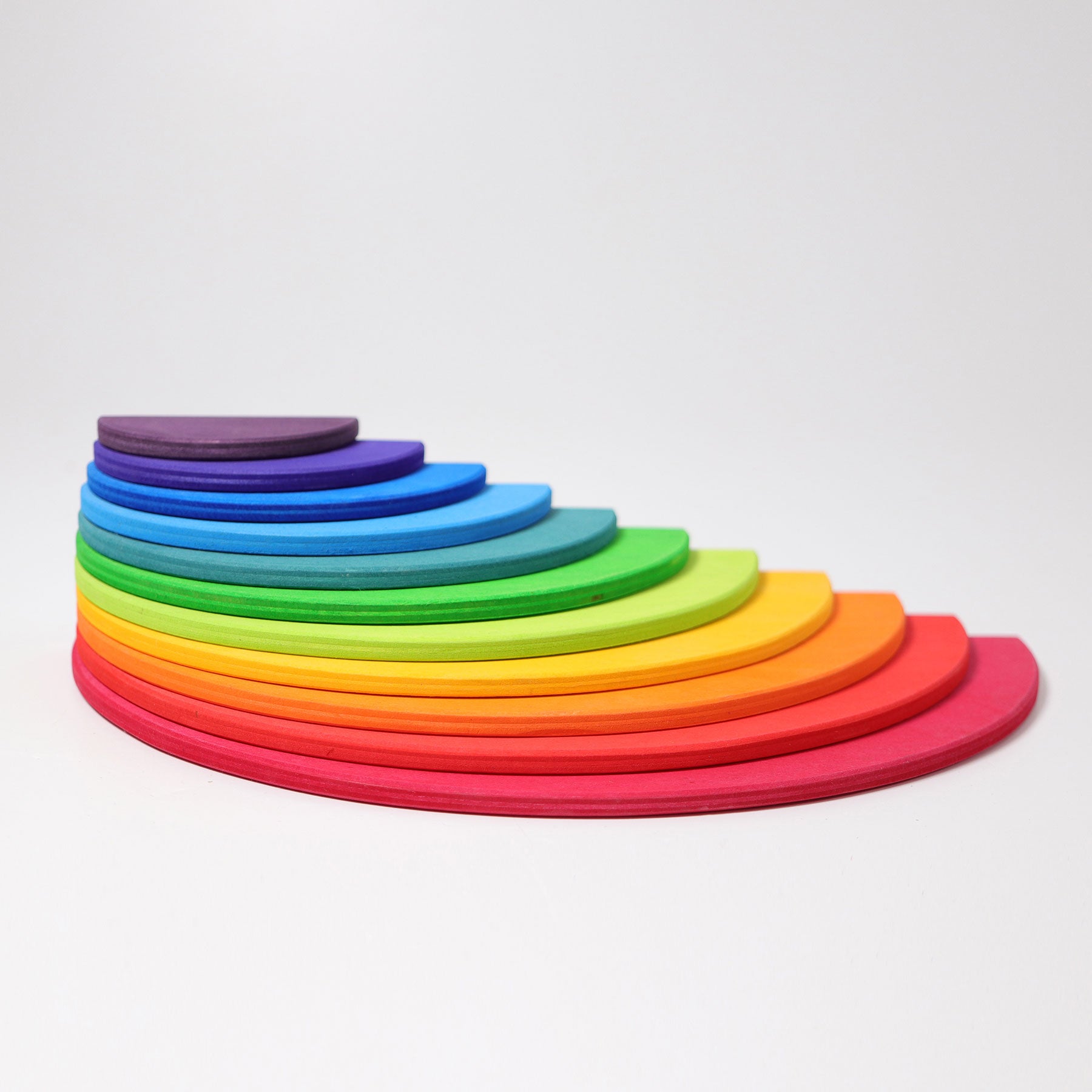
Grimm's Rainbow is a quieter, more imaginative shared toy. It does not look like a typical 8-year-old toy at first, but it works beautifully as scenery: tunnels for cars, bridges for animals, cradles for dolls, fences for farms, shop displays, balancing challenges, or rainbow architecture beside blocks.
It is strongest for siblings who like pretend play and can respect special pieces. It is weaker for kids who want lots of parts, rough builds, or competitive challenges. The premium price makes sense only if your family values a calm, open-ended toy that can stay in rotation for years.
Plus-Plus Big Building Set
Fine-motor creative focus
Pros
- ✓ Compact
- ✓ Quiet tabletop use
- ✓ Strong concentration
Cons
- ✗ Smaller pieces
- ✗ Learning curve
- ✗ Can frustrate younger kids
Plus-Plus is a good shared choice when you want quiet tabletop play without a huge bin. Because every piece has the same shape, kids can split the set more fairly than with many specialized building systems. One child can make flat patterns or pixel-style art while another experiments with 3D animals, vehicles, or letters.
It is best for siblings who can sit near each other and work in parallel. It is less ideal for big dramatic floor play. There is a learning curve, so younger siblings may need starter prompts or 2D designs before they can build alongside an 8-year-old confidently.
Kinetic Sand Set
Sensory regulation and transitions
Pros
- ✓ Very calming tactile input
- ✓ Low noise
- ✓ Easy start/stop
Cons
- ✗ Can get messy
- ✗ Best with tray
- ✗ Not ideal for carpet
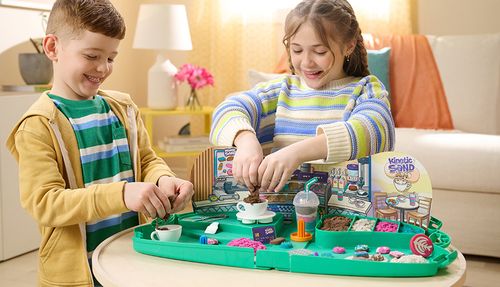
Kinetic Sand is the right sibling toy when the goal is not elaborate cooperation but calmer side-by-side play. Kids can make bakeries, construction sites, treasure digs, pretend beaches, or tiny worlds without needing a complicated setup. The sensory input can also help after school when everyone is tired and conflict-prone.
Use trays from the beginning. Each child gets a tray, a portion of sand, and a couple of tools. That small boundary prevents most of the “you ruined mine” arguments. If sand is too messy for your house, Alternatives to Kinetic Sand for Kids has lower-mess options.
Crayola Light-Up Tracing Pad
Structured creative focus
Pros
- ✓ Low setup
- ✓ Visual rewards
- ✓ Good for focus blocks
Cons
- ✗ Needs batteries
- ✗ Paper management
- ✗ Can lose novelty
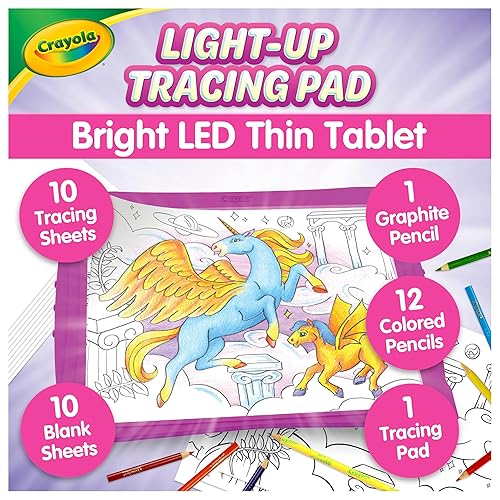
A tracing pad is not a classic “two kids at once” toy, but it can still support sibling play when used as part of a shared project. One child traces characters or props while the other colours, cuts, writes speech bubbles, or builds a scene around the drawings. It is especially useful when one sibling wants a quieter role instead of direct competition.
It works best with a simple rule: one child traces while the other prepares paper, chooses colours, or works on the story, then they switch. Without a turn-taking plan, the light-up part becomes the thing everyone wants.
How to Reduce Arguments Before They Start
Give each child a zone
A tray, mat, placemat, or section of the table creates ownership without separating the play completely. Kids can still trade, connect, and collaborate, but they are less likely to accidentally destroy each other's work.
Start with a shared mission
A mission gives the play direction without turning it into adult-controlled schoolwork. Try “build a zoo with three habitats,” “make a hotel for stuffed animals,” “create a marble-testing lab,” or “design a calm-down town.” The mission gives siblings a reason to combine efforts.
Use roles instead of forced sharing
“Share nicely” is too vague. Roles are clearer: builder, tester, decorator, shopkeeper, map maker, photographer, cleanup captain. Roles also let younger siblings participate without being expected to build at the same level as an 8-year-old.
Save one creation only
If every build must stay forever, the play area becomes unusable. Let each child save one creation on a shelf or take a photo before cleanup. This protects the feeling of accomplishment while keeping the toy available for next time.
Best Picks by Sibling Situation
8-year-old with a younger sibling
Magna-Tiles are usually easiest because the younger child can build successfully right away. Kinetic Sand also works well if the younger child can keep it on a tray. Avoid tiny pieces unless the younger sibling is safe and ready.
8-year-old with an older sibling
LEGO Classic, Plus-Plus, and more advanced building challenges are better because the older child can add complexity. Give the 8-year-old a meaningful role so they do not become the helper's assistant.
Siblings who compete constantly
Choose toys with duplicate materials and separate work zones. Kinetic Sand trays, Magna-Tiles piles, or split LEGO bowls work better than one prized robot, one controller, or one special accessory.
Siblings who love pretend play
Magna-Tiles, Grimm's Rainbow, and LEGO Classic are strongest because they become settings for stories. Add small animals, cars, peg dolls, or paper signs if the play needs a spark.
Want better toy picks without the research rabbit hole?
Short, practical recommendations by age, need, and budget.
Practical Setup Tips
1) Keep only one shared system out
If the room has LEGO, Magna-Tiles, sand, craft supplies, and board games all available at once, arguments and cleanup both multiply. Put out one system with enough parts for two children.
2) Pair movement with table play
A quick movement break before building can improve the whole session. Run a short obstacle course, carry a laundry basket, or do five animal walks before asking siblings to sit and cooperate.
3) Rotate weekly
Rotation keeps engagement high without constant new purchases. A toy that disappears for two weeks often feels fresh when it returns.
4) Use a visible cleanup bin
Do not wait until the end to hunt for storage. Put the bin beside the play area before the first piece comes out. For an 8-year-old, cleanup should be part of the play contract, not an optional adult rescue.
FAQ
What toy is best for siblings who fight over pieces?
Magna-Tiles and Kinetic Sand are usually easier than small specialized sets because the materials can be split more fairly. Use separate trays or piles at the start instead of waiting for a conflict.
Are cooperative board games better than building toys for siblings?
Sometimes. Cooperative board games create shared rules and a clear endpoint, which can help kids who need structure. Building toys are better for longer open-ended play. If you want game options, see Best Cooperative Board Games for Kids.
What if one sibling always takes over?
Assign roles before play starts and give the quieter child a protected zone. For example, one child builds the town, the other designs the shop signs or animal habitats. Adult coaching may be needed at first, but the toy should make roles easier over time.
How many pieces do siblings need?
Enough for each child to make something independently before combining. Tiny starter sets often cause more conflict because every useful piece feels scarce. For shared building, a larger basic set is usually better than a small themed set.
Related reads
- Best Open-Ended Toys for Shared Sibling Play
- Best Building Toys Beyond LEGO
- Magna-Tiles vs LEGO Classic for Open-Ended Play
- Best Screen-Free Toys for Rainy Days
- Screen-Free Toys for Kids
If You Can Only Buy One
Magna-Tiles Classic 100-Piece Set.
It gives most families the best balance of fast setup, shared building, calm replay value, and flexible pretend play. If your children already love detailed small-piece projects and can clean up reliably, LEGO Classic remains the better value pick.
Want better toy picks without the research rabbit hole?
Get concise recommendations by age, need, and budget.
Where to go next
By age
Best Homework Break Toys for 8-Year-Olds
Keep the recommendations age-appropriate for your kid’s stage.
By need
Gifts for Neurodivergent Kids: A Parent's Guide (2026)
Jump to picks focused on ADHD, sensory, and regulation support.
By budget
Best Gifts for Kids Under $25 (2026)
Compare strong options in lower price brackets before you buy.
Related Articles
Plus-Plus vs LEGO Classic for Open-Ended Building Play
Which open-ended building toy fits better for independent play, mixed-age creativity, and flexible building sessions?
Read more →
Best Fine-Motor Toys for Early Elementary Kids
Building, arranging, and hands-on toys that help early elementary kids practise finger control through play.
Read more →
Magna-Tiles vs LEGO Classic for Open-Ended Play
Which open-ended toy wins for focus, creativity, cleanup, and replay value?
Read more →