Best Shared Sibling Toys for 7-Year-Olds
Flexible toys siblings can use together around age 7, with fewer arguments and more cooperative play.
Snapshot
| Toy | Age | Price | Best for | Link |
|---|---|---|---|---|
| #1 LEGO Classic Medium Creative Brick Box | 4+ | CAD $35–$65 | Structured creativity that scales with age | Check Price |
| #2 Ravensburger GraviTrax Starter Set | 8+ | CAD $55–$85 | Shared physics builds and experiments | Check Price |
| #3 Snap Circuits Jr. SC-100 | 8+ | CAD $45–$70 | Hands-on logic and electronics | Check Price |
| #4 Magna-Tiles Clear Colors 32-Piece Set | 3+ | CAD $70–$95 | Open-ended building and creative focus | Check Price |
Affiliate links. Prices can change.
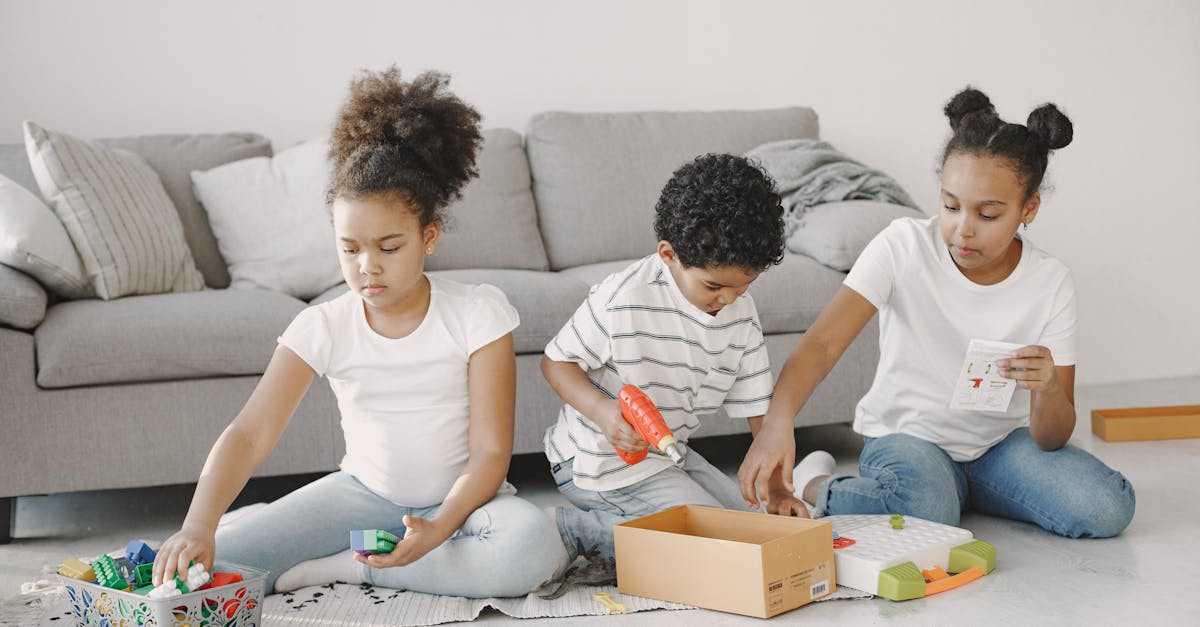
Seven-year-olds are in a tricky middle zone for sibling play. They are old enough to have strong ideas, rules, and ownership, but still young enough that frustration can flip quickly into grabbing, quitting, or blaming the other child. The best shared sibling toys for 7-year-olds give kids enough structure to start playing fast without making one child control the whole activity.
Open-ended toys reduce conflict because there is no single correct way to play. One child can build, another can decorate. One can test a ramp while the other repairs it. One can design the pretend shop while the other invents the customer story. The toy creates a shared world, but the children do not have to do the exact same job.
LEGO Classic Medium Creative Brick Box
Reliable engagement, low setup friction, and strong replay value for real family routines.
This guide focuses on toys that are practical, repeatable, and useful beyond the first week. For a broader sibling-play list, see Best Open-Ended Toys for Shared Sibling Play. If your family already owns a lot of LEGO and needs variety, Alternatives to LEGO Classic for Kids Who Need Variety is a useful next step.
Quick Answer
For most families, LEGO Classic Medium Creative Brick Box is the best shared toy for 7-year-olds because it gives siblings lots of possible roles: builder, sorter, designer, storyteller, vehicle maker, shopkeeper, or cleanup captain. Magna-Tiles are easier when one sibling is younger or the kids need a calmer start. Ticket to Ride: First Journey is better when you want a short game with rules and an endpoint. GraviTrax, Snap Circuits Jr., and Gravity Maze are stronger for siblings who enjoy co-solving and can tolerate a bit of challenge.
If sibling conflict is the main problem, do not choose the toy that looks most impressive. Choose the toy that divides fairly, restarts easily, and lets each child contribute without needing the same exact piece at the same time.
What to Look For
Enough material to split
Seven-year-olds still care deeply about fairness. A toy with many similar pieces is easier to share than a toy with one special controller, one robot, or one rare part. LEGO Classic, Magna-Tiles, and GraviTrax all work better when each child can start with a small pile or zone before combining builds.
Natural roles
The best sibling toys create jobs without adults constantly refereeing. One child can build the base while another chooses colours. One can read a challenge card while the other moves pieces. One can be the route planner while the other collects train cards. Roles are more useful than vague instructions to “share nicely.”
Fast repair after things break
Sibling play will collapse sometimes. The question is whether the toy makes recovery possible. Magnetic tiles, LEGO bricks, and marble-run pieces can be rebuilt. A short board game can restart. A fragile craft kit that takes an hour to fix is much more likely to become a fight.
Calm enough for home routines
A shared toy should not turn the whole room into chaos. Look for toys that support focus, conversation, and manageable cleanup. If your kids need lower-stimulation options, pair this list with Screen-Free Toys for Kids or Best Screen-Free Toys for Rainy Days.
Our Top Picks
Structured creativity that scales with age
Pros
- ✓ Huge replay value
- ✓ Scales with age
- ✓ Great imagination tool
Cons
- ✗ Cleanup friction
- ✗ Stepping hazard
- ✗ Can overwhelm if too many pieces out
LEGO Classic is the strongest overall pick because it can become almost anything siblings imagine: a zoo, a restaurant, a garage, a spaceship, a tiny school, a pet hotel, or a city with roads and shops. For 7-year-olds, the appeal is not just building from instructions. It is having enough pieces to create a shared pretend world.
The key is controlling the amount. Do not dump the whole box onto the floor if your children usually fight or avoid cleanup. Start with two trays and a small shared pile. Each child can build one part of the world, then connect the builds when they are ready. If LEGO often becomes too samey, Magna-Tiles vs LEGO Classic for Open-Ended Play explains when magnetic tiles are the better fit.
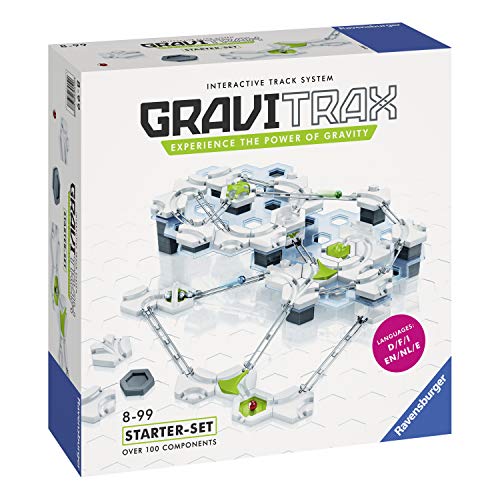
Shared physics builds and experiments
Pros
- ✓ Strong experimentation loop
- ✓ Visual cause/effect
- ✓ Expandable
Cons
- ✗ Needs floor/table space
- ✗ Pieces can be lost
- ✗ Best with a clear build area
GraviTrax is best for siblings who like testing, adjusting, and watching cause and effect. A 7-year-old may need adult help at first because the official age range skews a little older, but the shared play pattern is excellent: one child places track, one drops the marble, both watch what happens, then they revise.
It is less ideal for rushed afternoons or cramped spaces. The set needs a flat area and enough patience to troubleshoot. When it works, though, it turns sibling play into a small engineering lab instead of a competition over whose build is “better.” For kids who love this style, Roller Coaster Challenge vs GraviTrax for Engineering Kids can help with the next purchase.
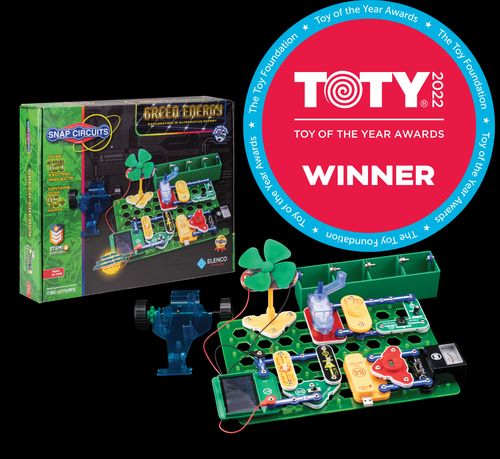
Snap Circuits Jr. SC-100
Hands-on logic and electronics
Pros
- ✓ Clear challenge progression
- ✓ High educational value
- ✓ Strong replay
Cons
- ✗ Can frustrate younger kids
- ✗ Needs organization
- ✗ Best with guidance early
Snap Circuits Jr. is a good shared choice when the siblings enjoy “real” experiments and can follow a sequence. One child can find the parts, another can snap them into the board, and both can test the result. The payoff is clear because lights, sounds, or moving pieces show whether the circuit works.
The age fit is the biggest caution. Some 7-year-olds will love it; others will get stuck if the diagrams feel too demanding. Start with the simplest builds and keep the parts sorted. If you want more options in this STEM lane, see Best STEM Toys for Kids Who Hate Worksheets.
Open-ended building and creative focus
Pros
- ✓ Quiet play
- ✓ Long replay value
- ✓ Works solo or together
Cons
- ✗ Higher upfront cost
- ✗ Pieces scatter
- ✗ Needs storage bin
Magna-Tiles are easier than LEGO when one sibling is younger, tired, or easily frustrated. The magnetic feedback is immediate, the pieces are large, and the builds can become houses, castles, garages, animal shelters, or colour patterns within minutes. That fast success matters after school when patience is low.
The 32-piece set is useful, but shared sibling play is better with more pieces if the budget allows. With a smaller set, create roles: one child builds walls, the other makes roofs, roads, or pretend-play signs from paper. That keeps the set from becoming a fight over triangles.
ThinkFun Gravity Maze
Co-solving logic challenges
Pros
- ✓ Great age fit for 9-year-olds
- ✓ Encourages planning
- ✓ Compact setup
Cons
- ✗ Can become one-kid-at-a-time
- ✗ Harder cards may need help
- ✗ Less open-ended than building sets
Gravity Maze is better as a co-solving toy than as a big shared world. It works when siblings can take turns thinking out loud: one reads the challenge, one places a tower, one predicts where the marble will go, then they test it together. The instant feedback makes it satisfying.
Because it is mostly one puzzle at a time, it can also become one-child-dominates-one-child-watches. Use a turn rule before starting: alternate who places the next tower or who gets the final marble drop. If your child likes logic games, Mental Blox vs Rush Hour Junior for Logic Skills is another useful comparison.
Short sibling game sessions
Pros
- ✓ Built for 2-4 players
- ✓ Short sessions
- ✓ Clear shared rules
Cons
- ✗ Seasonal theme
- ✗ Requires turn-taking
- ✗ Less open-ended than construction toys
Ticket to Ride: First Journey is the pick for families who want a clear beginning, middle, and end. Some siblings do better with a short game than a wide-open building session because the rules answer many fairness questions. Everyone gets turns, routes, cards, and a goal.
It is not as flexible as construction toys, and the Ghost Train theme may not appeal all year. Still, it can be a strong after-dinner or weekend option when the kids need connection but adults do not want to supervise a giant project.
How to Set Up Sibling Play So It Actually Works
Start with zones, then connect
Give each child a tray, placemat, or section of floor. The goal is not to separate them completely; it is to prevent accidental destruction. Once both children have something started, invite them to connect the builds.
Use a mission instead of a lecture
“Play together nicely” is too abstract. A mission is easier: build a pet hospital, design a marble test lab, make a town with one bridge, create a train route to a haunted station, or build a calm-down castle. The mission gives the play direction without making the adult the boss.
Save one build only
Let each child save one creation or take one photo before cleanup. This protects the feeling of accomplishment while keeping the toy usable tomorrow.
Keep duplicate basics nearby
Two baseplates, two trays, two small bowls, or two starter piles can prevent half the conflict. Duplicates do not have to be expensive; they just need to make ownership visible.
Want better toy picks without the research rabbit hole?
Short, practical recommendations by age, need, and budget.
FAQ
What toy is best for a 7-year-old with a younger sibling?
Magna-Tiles are usually easiest because younger children can build successfully right away. LEGO Classic can also work if the younger sibling is safe with small pieces and each child has a separate tray.
What if one sibling always takes over?
Assign roles before play starts. The dominant child can be the tester, sorter, or route planner instead of the only builder. Give the quieter child a protected zone and a job that visibly matters.
Are board games better than building toys for siblings?
Sometimes. Board games help when kids need rules, turns, and a clear endpoint. Building toys are better for longer open-ended play and pretend worlds. Many families need both types in rotation.
How many shared toys should be out at once?
Usually one shared system is enough. Too many bins create visual clutter, mixed pieces, and cleanup arguments. Put out one main toy with enough materials for both children.
Related reads
- Best Open-Ended Toys for Shared Sibling Play
- Best Building Toys Beyond LEGO
- Magna-Tiles vs LEGO Classic for Open-Ended Play
- Alternatives to LEGO Classic for Kids Who Need Variety
- Screen-Free Toys for Kids
If You Can Only Buy One
LEGO Classic Medium Creative Brick Box is the safest single pick for most 7-year-olds because it has the widest replay value and the most flexible sibling roles. If your bigger problem is frustration or age-gap conflict, start with Magna-Tiles instead because the builds happen faster and the pieces are easier to divide.
Want better toy picks without the research rabbit hole?
Get concise recommendations by age, need, and budget.
Where to go next
By age
Best Homework Break Toys for 7-Year-Olds
Keep the recommendations age-appropriate for your kid’s stage.
By need
Gifts for Neurodivergent Kids: A Parent's Guide (2026)
Jump to picks focused on ADHD, sensory, and regulation support.
By budget
Best Gifts for Kids Under $25 (2026)
Compare strong options in lower price brackets before you buy.
Related Articles
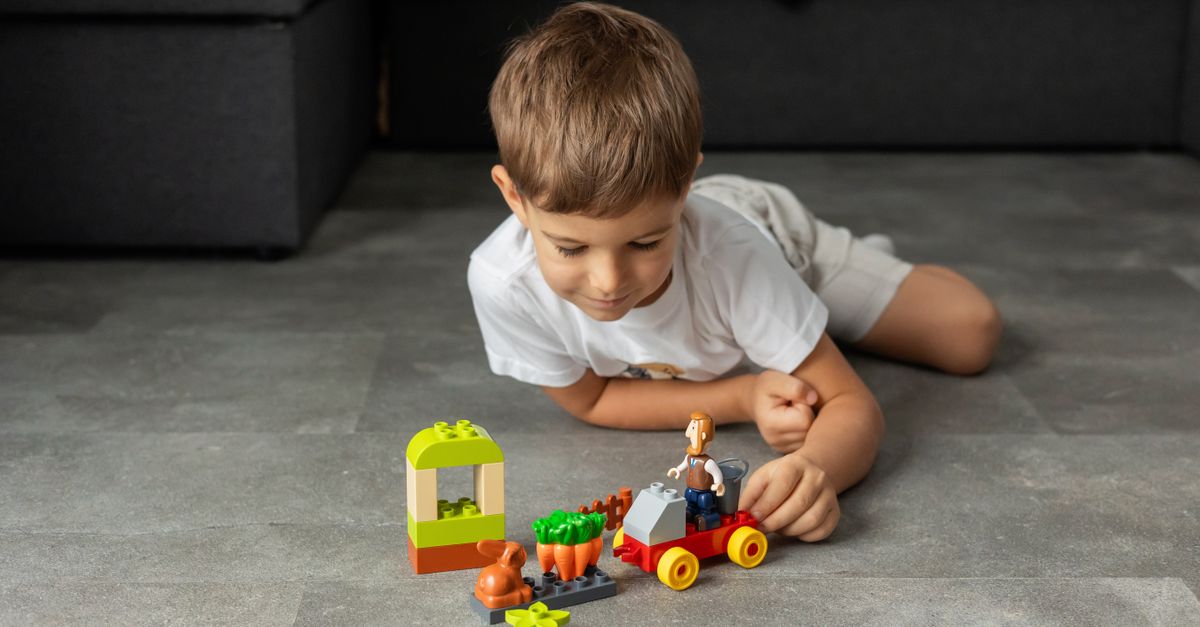
Plus-Plus vs LEGO Classic for Open-Ended Building Play
Which open-ended building toy fits better for independent play, mixed-age creativity, and flexible building sessions?
Read more →
Best Fine-Motor Toys for Early Elementary Kids
Building, arranging, and hands-on toys that help early elementary kids practise finger control through play.
Read more →
Magna-Tiles vs LEGO Classic for Open-Ended Play
Which open-ended toy wins for focus, creativity, cleanup, and replay value?
Read more →