Best Quiet Toys for Apartments (That Kids Actually Use)
10 low-noise toys for apartment life. Less stomping, fewer meltdowns, and play that doesn’t trigger neighbour complaints.
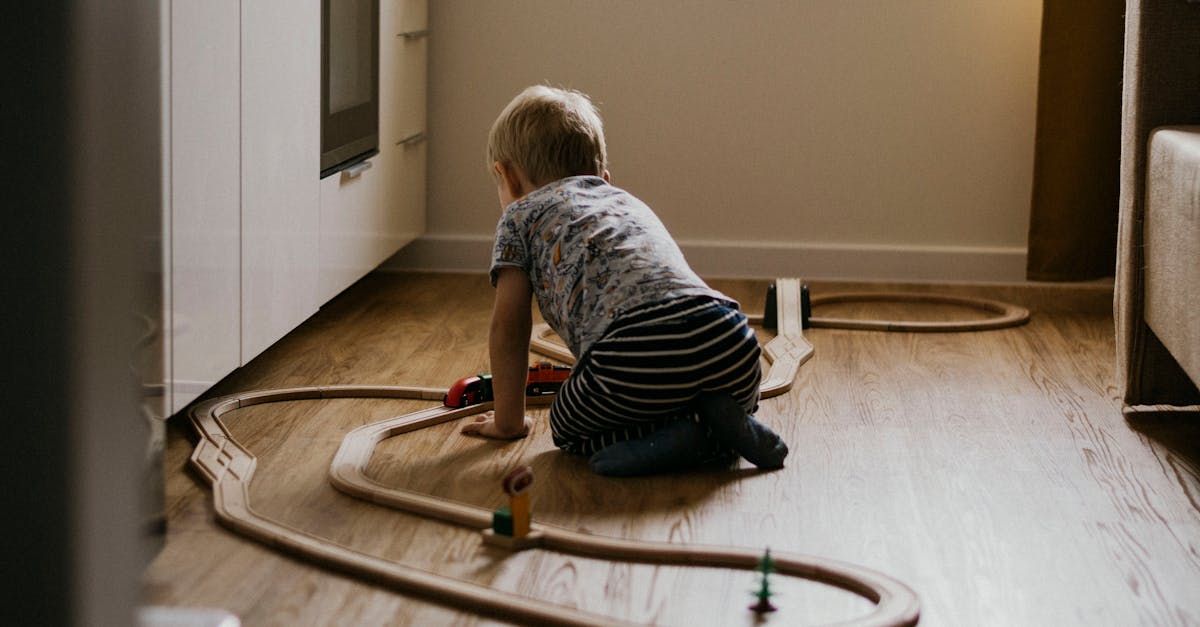
Snapshot
| Toy | Age | Price | Best for | Link |
|---|---|---|---|---|
| Magna-Tiles Classic 100-Piece Set | 3+ | CAD $50–$80 | Quiet, independent open-ended play | Check Price |
| Kinetic Sand Deluxe Beach Castle Set | 3+ | CAD $25–$45 | Sensory play without loud movement | Check Price |
| Melissa & Doug Reusable Sticker Pad | 3+ | CAD $8–$17 | Travel-level quiet at home | Check Price |
| LEGO Classic Creative Brick Box | 4+ | CAD $35–$55 | Builders who like structured calm | Check Price |
Affiliate links. Prices can change.
Apartment parenting has one hidden job description: sound engineer.
You’re not just buying toys based on age or learning value. You’re buying toys based on whether they turn your living room into a complaint magnet. A toy can be educational, beautiful, and completely wrong for apartment life if it encourages jumping, dumping, shrieking, or hard plastic impacts on laminate flooring.
Magna-Tiles Classic Set
Open-ended building, low noise, and high replay value. Kids stay focused without needing loud movement.
The good news: quiet toys don’t have to be boring. The best ones keep hands busy, brains engaged, and bodies regulated without constant thuds, squeaks, or plastic chaos. The trick is choosing toys with a calm play loop: build, sort, design, solve, shape, draw, or pretend at a table.
What Makes a Toy Apartment-Friendly
A good apartment toy does four things well:
- Low impact play. No jumping, slamming, throwing, or hard floor collisions.
- No loud electronics. If it needs volume controls to be tolerable, skip it.
- Long-focus design. Toys that hold attention reduce “chaos cycles.”
- Easy reset. Fast cleanup means less late-night clatter.
You also want toys that work in a defined zone. A small rug, table, tray, or storage bin changes the sound profile immediately. Many “noisy” toys are not noisy while being used; they are noisy when dumped out, dragged around, or cleaned up in a panic.
If noise is part of a broader sensory issue, pair this with calm-down corner toys that actually help or best noise-sensitive toys for kids. This list focuses on toys that work in apartments, condos, shared houses, and nap-time households.
Our Top Picks
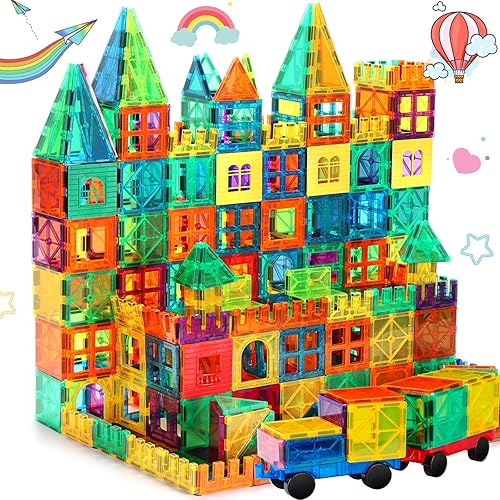
Quiet, independent open-ended play
Pros
- ✓ Almost silent in use
- ✓ High replay value
- ✓ Works across ages
Cons
- ✗ Pricey up front
- ✗ Pieces can scatter
- ✗ Needs storage bin
No batteries, no voices, no songs. Just focused building. Magna-Tiles are one of the rare toys that feel calm and still hold attention for long stretches. Kids can build houses, garages, marble-free ramps, animal enclosures, pretend stores, or colour patterns without needing big body movement.
The apartment trick is storage. Use a low fabric bin or soft-sided basket instead of a hard plastic tub. Dumping a hundred magnetic tiles onto a wood floor is loud; taking out one handful at a time is not. A rug also helps, especially if you have downstairs neighbours.
Sensory play without loud movement
Pros
- ✓ Very quiet sensory input
- ✓ Great for regulation
- ✓ Easy to start and stop
Cons
- ✗ Can get messy
- ✗ Needs tray/mat
- ✗ Not ideal for carpet
Kinetic sand gives kids deep sensory input without bouncing off walls. The squish, press, cut, and mould loop can be regulating for kids who get restless in small spaces. It also feels more substantial than a tiny fidget, which is why it can hold attention longer.
Use a tray. That is non-negotiable in apartments. A baking tray, sensory tray, or shallow plastic bin keeps the sand contained and makes cleanup quieter. If you have carpet, use it at a table only.
Travel-level quiet at home
Pros
- ✓ Extremely quiet
- ✓ Portable
- ✓ No setup required
Cons
- ✗ Can lose stickers
- ✗ Theme-specific
- ✗ Shorter sessions for some kids
If you need instant quiet — a work call, baby nap, restaurant-style reset, or five minutes to cook — reusable sticker pads are elite. They are low effort, low cost, and surprisingly engaging for preschool and early elementary kids.
They work best as a special-occasion quiet toy rather than an always-available item. Keep one pad tucked away for high-stakes moments, and rotate themes when the novelty fades.
Builders who like structured calm
Pros
- ✓ Long independent play
- ✓ Creative depth
- ✓ No electronic noise
Cons
- ✗ Pieces hurt when stepped on
- ✗ Cleanup can be noisy
- ✗ Needs floor mat
LEGO is quiet while in use, loud during cleanup. A soft mat and a hard rule about where building happens solves most of that. For apartment life, avoid the giant dump-and-sort routine. Put a smaller handful of bricks in a tray and keep the main box closed.
LEGO is best for kids who can handle small pieces and tolerate a bit of searching. If your child dumps the entire bin every time, choose Magna-Tiles or Plus-Plus first.
Mess-free quiet time
Pros
- ✓ No marker caps clicking
- ✓ Reusable pages
- ✓ Very little cleanup
Cons
- ✗ Best for younger kids
- ✗ Pens go missing
- ✗ Less open-ended
Water Wow pads are great “reset toys” when energy is high and space is limited. Kids get the satisfaction of colour appearing without markers, caps, spills, or paper scraps. They are especially useful for younger kids who want art but are not ready for unsupervised supplies.
The replay value is limited for older kids, but the portability is excellent. Keep one near the door, one in a travel bag, or one in the calm corner.
Fine motor focus
Pros
- ✓ Quiet tabletop building
- ✓ Compact storage
- ✓ Strong concentration toy
Cons
- ✗ Small pieces
- ✗ Learning curve at first
- ✗ Can be frustrating for younger kids
Plus-Plus is a strong alternative to traditional blocks. It is tactile, quiet, and compact. Kids press the pieces together rather than stacking towers that crash down, so the sound level stays low.
The learning curve is real. Some kids need a few examples before the toy clicks. Start with flat mosaics, letters, or simple animals before expecting 3D builds.
Creative pretend play without loud toys
Pros
- ✓ Low sound profile
- ✓ Open-ended
- ✓ Easy entry point
Cons
- ✗ Can dry out
- ✗ Mess if unsupervised
- ✗ Tools get lost
Play-Doh is still one of the best quiet play formats if you keep it contained. The sound is soft, the pretend-play options are wide, and the tools give kids enough structure to stay engaged.
The apartment rule is tray plus table. No floor Play-Doh. No walking around with it. If those rules are clear, it can be a reliable after-school decompression toy.
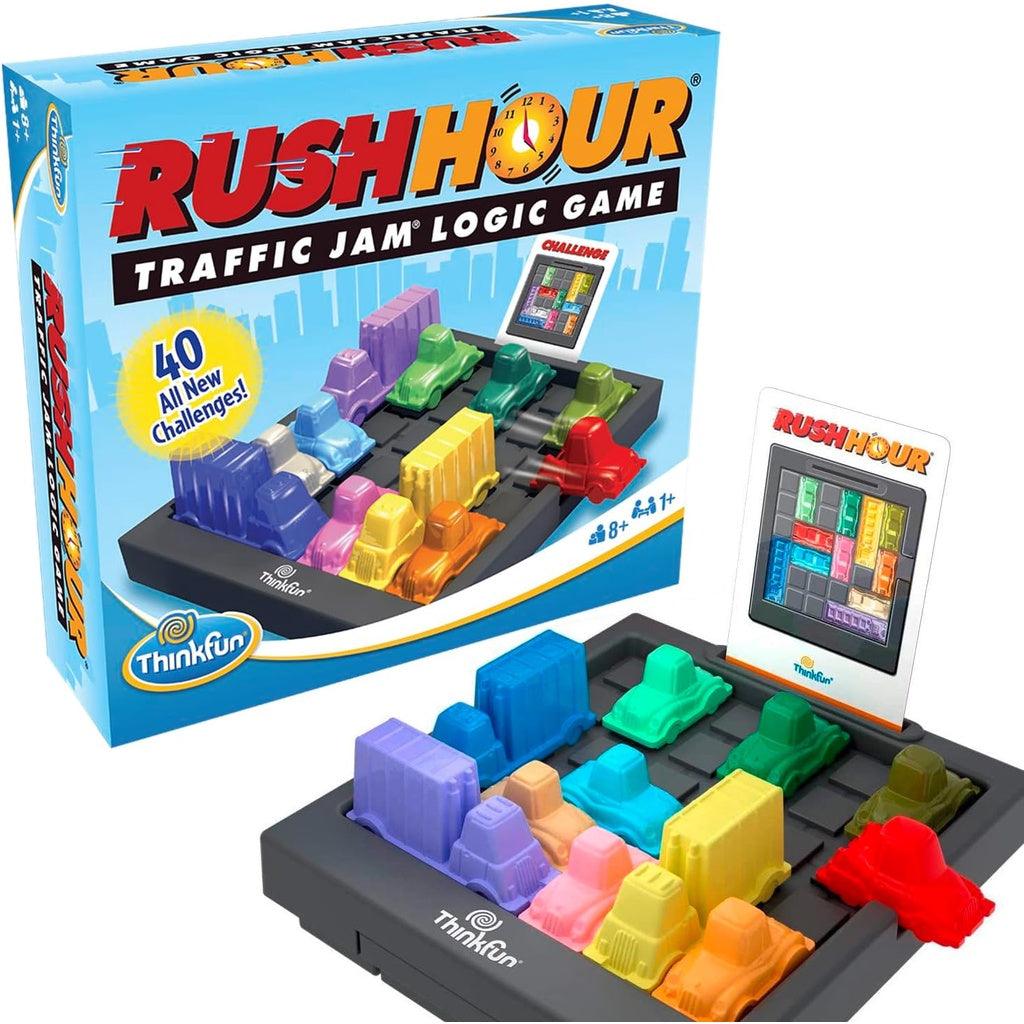
Older kids who need quiet challenge
Pros
- ✓ No noise
- ✓ Excellent logic training
- ✓ Self-directed play
Cons
- ✗ Single-player
- ✗ Not for very young kids
- ✗ Can feel hard early on
Puzzle games are apartment gold. Kids get mentally absorbed, and the room gets noticeably calmer. Rush Hour is especially good for older kids who like a clear challenge: move the cars, free the red car, try the next card.
If frustration rises quickly, start below your child’s actual age level. Quiet toys stop being quiet when they become too hard.
Quiet doodling and pretend teaching
Pros
- ✓ No marker noise
- ✓ Reusable
- ✓ Good for short play bursts
Cons
- ✗ Limited colour
- ✗ Can feel basic
- ✗ Stamps can be loud if slammed
A magnetic drawing board is simple, durable, and low stimulation. It works well for doodling, pretend school, tic-tac-toe, tracing letters, or making quick picture prompts.
Choose a model with attached pieces if possible. Loose magnetic stamps tend to vanish under furniture, and the search is often louder than the play.
Fine motor + calm focus
Pros
- ✓ Very quiet
- ✓ Great concentration
- ✓ Portable
Cons
- ✗ Can spill
- ✗ Less exciting at first
- ✗ Supervision for younger siblings
Lacing beads are underrated. They train patience, patterning, bilateral coordination, and fine motor control, and they do not create high-energy noise. They are also easy to bring to a table when you need quiet but not screen time.
For shared spaces, use a small bowl or tray. Beads hitting a hard floor can be surprisingly loud, and younger siblings may need supervision.
Apartment Setup Tips That Matter More Than the Toy
1) Build a “quiet play zone”
A small rug, one bin, and one table can do more than buying another toy. Kids handle boundaries better when the play setup is predictable. The zone also tells them what kind of play is expected: hands busy, body calmer, pieces stay here.
2) Rotate toys weekly
Fewer visible toys equals deeper play. Rotate four to six options at a time and put the rest away. A packed shelf invites dumping. A small shelf invites choosing.
3) Use “energy before quiet”
Five minutes of movement first — dance, hallway walk, animal moves, wall pushes, or a short outdoor loop — makes quiet toys work better. It is easier than forcing calm from full-speed mode.
4) Change the container, not just the toy
Hard bins are loud. Fabric bins, zipper pouches, trays, and mats reduce noise before the toy even comes out. This matters for LEGO, Magna-Tiles, beads, puzzles, and craft supplies.
5) Keep one emergency quiet kit
Do not leave every quiet toy in daily circulation. Keep one small kit for calls, illness days, restaurants, travel, or sibling naps. Reusable stickers, Water Wow, a mini fidget, and a small puzzle can save the moment because they still feel fresh.
What to Avoid in Apartments
Avoid toys that rely on impact: bowling sets, hard plastic balls, indoor trampolines, stomp rockets, oversized cars, and anything designed to be launched across the room. Also be careful with electronic learning toys that repeat songs or prompts. Volume control helps, but it does not change the basic play loop.
The worst apartment toys are not always the loudest toys in the store. They are the toys that create escalating energy: chase games, dump bins, crash builds, and toys with lots of tiny hard pieces but no natural stopping point.
If your child needs movement, do not pretend a sticker pad will solve that. Use a short movement routine, then transition to the quiet toy. For more regulation-focused ideas, see best calm-down toys for after school.
Want better toy picks without the research rabbit hole?
Short, practical recommendations by age, need, and budget.
FAQ
Are sensory toys always quieter?
Not always. Some sensory toys include noisy electronics, crinkly materials, or pop sounds. Look for tactile, manual toys instead: sand, putty, lacing, magnetic drawing, soft fidgets, and quiet building sets.
What’s the best quiet toy for toddlers in apartments?
Reusable sticker pads, Water Wow books, and kinetic sand with a tray are the most reliable. For toddlers who still mouth objects, avoid small pieces and choose larger, washable tools.
What if my child wants loud toys anyway?
Keep one “loud window” per day: short, predictable, and ideally outside or on a rug. Structure works better than total restriction. After the loud window, transition to a quiet play zone with one or two prepared options.
Which quiet toy has the best long-term value?
Magna-Tiles usually have the best long-term value because they work across ages and support open-ended building. LEGO can last even longer for older kids, but it needs better piece management in apartments.
Related reads
- Best quiet logic toys for apartments
- Calm-Down Corner Toys That Actually Help
- Best Bedtime Toys for Anxious Kids
- Best Toys for Kids Who Get Bored Easily
If You Can Only Buy One
Magna-Tiles.
Quiet, durable, and consistently engaging across ages. For apartment life, that combination is hard to beat. Add a rug and a soft storage bin, and the noise profile stays manageable even in shared buildings.
Want better toy picks without the research rabbit hole?
Get concise recommendations by age, need, and budget.
Where to go next
By age
Best Toys for 4-Year-Olds (Learning Through Play) (2026)
Keep the recommendations age-appropriate for your kid’s stage.
By need
Gifts for Neurodivergent Kids: A Parent's Guide (2026)
Jump to picks focused on ADHD, sensory, and regulation support.
By budget
Best Gifts for Kids Under $25 (2026)
Compare strong options in lower price brackets before you buy.
Related Articles
Best Toys for Kids Who Rush Through Homework
Focus-break and thinking toys for kids who hurry through homework, guess quickly, or need practice slowing down.
Read more →
Best No-Mess Sensory Toys for Bedrooms
Low-mess sensory toys that can live near the bed without sand, slime, batteries, or cleanup fights.
Read more →
Calm Strips vs Marble Mesh Fidget for Classroom Focus
A quiet fidget comparison for school, homework, and kids who need discreet tactile input.
Read more →