Best Occupational Therapy Toys for Home Use
Home-friendly occupational therapy-inspired toys for sensory input, motor skills, and emotional regulation.
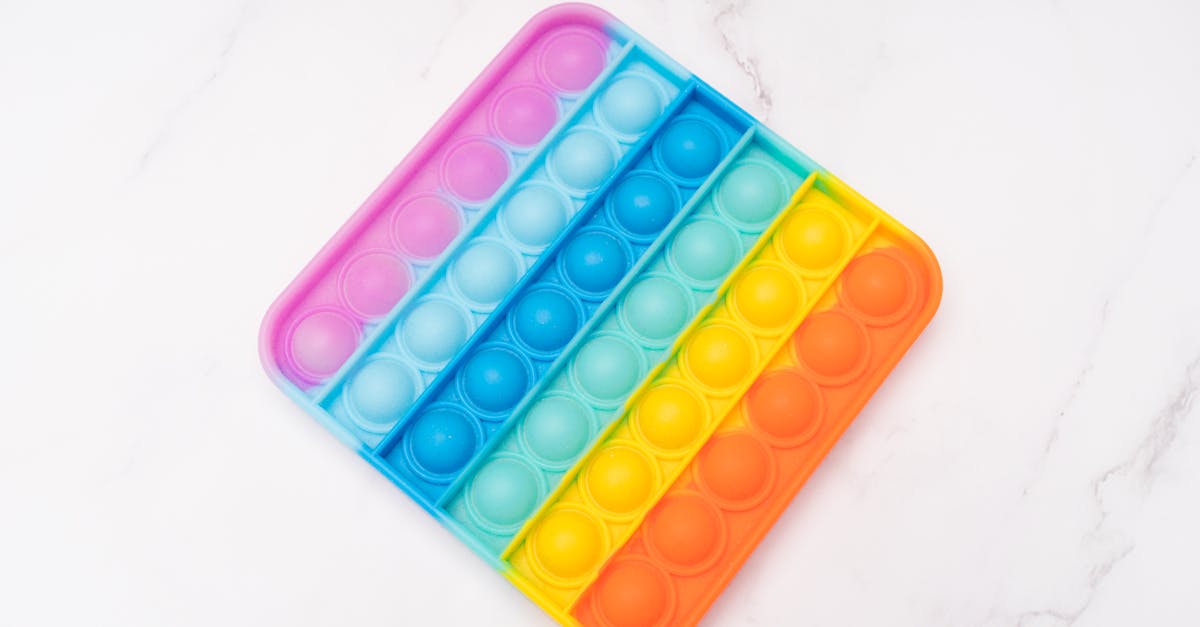
Snapshot
| Toy | Age | Price | Best for | Link |
|---|---|---|---|---|
| #1 Sensory Body Sock | 3+ | CAD $35–$55 | Proprioceptive input for short movement resets | Check Price |
| #2 The Kids' Yoga Deck | 4+ | CAD $20–$35 | Guided movement breaks and body-awareness practice | Check Price |
| #3 Weighted Lap Pad | 4+ | CAD $25–$45 | Deep-pressure input during homework, meals, and regulation breaks | Check Price |
| #4 Learning Resources Sensory Trio Fidget Tubes | 3+ | CAD $25–$45 | Visual calming and fine-motor sensory regulation | Check Price |
Affiliate links. Prices can change.
Home OT-style toys should support sensory input or motor practice without turning the room into a clinic. They should be easy to pull out, easy to explain, and useful during the ordinary parts of the day: getting ready for school, sitting through dinner, calming down after a loud outing, or resetting before homework.
The right toy can lower friction, support regulation, and make day-to-day life noticeably easier. It will not replace occupational therapy, and it should not be treated like a medical plan. But a few well-chosen sensory and motor tools can make home routines feel less reactive.
Sensory Body Sock
Reliable engagement, low setup friction, and strong replay value for real family routines.
This guide focuses on toys that are practical, repeatable, and useful beyond the first week.
What to Look For
- Fast entry. If setup is complicated, attention disappears.
- Clear feedback. Kids stay engaged when they can see or feel what changed.
- Replay value. Good toys survive past the novelty spike.
- Regulation support. The best tools help kids recover, not just stay busy.
- Home fit. A toy that needs constant coaching is less useful during real family routines.
Our Top 6 Picks
Sensory Body Sock
Proprioceptive input for short movement resets
Pros
- ✓ Deep-pressure movement
- ✓ Good for sensory seekers
- ✓ Can turn breaks into regulation reps
Cons
- ✗ Needs supervision and clear rules
- ✗ Sizing matters
- ✗ Not discreet for school
The Kids' Yoga Deck
Guided movement breaks and body-awareness practice
Pros
- ✓ No pieces beyond cards
- ✓ Good transition tool
- ✓ Works solo or with parent prompts
Cons
- ✗ Needs participation
- ✗ Not a toy every kid chooses independently
- ✗ Cards can scatter
Weighted Lap Pad
Deep-pressure input during homework, meals, and regulation breaks
Pros
- ✓ Grounding pressure input
- ✓ No setup needed
- ✓ Works across routines
Cons
- ✗ Too heavy for some kids
- ✗ Not ideal for travel
- ✗ Needs correct weight selection
Visual calming and fine-motor sensory regulation
Pros
- ✓ Trusted education brand
- ✓ Great for calm-down corners
- ✓ No batteries and low friction
Cons
- ✗ Can leak if damaged
- ✗ Shorter play for some older kids
- ✗ Not strong for active movement seekers
Liquid Motion Bubbler Timer
Visual calming during short reset breaks
Pros
- ✓ Quiet visual input
- ✓ Low setup
- ✓ Good calm-down corner fit
Cons
- ✗ Can leak if damaged
- ✗ Mostly passive
- ✗ Some kids lose interest quickly
Safe oral input that replaces clothing chewing
Pros
- ✓ Discreet at school
- ✓ Different toughness levels
- ✓ Designed by an SLP
Cons
- ✗ Need replacing periodically
- ✗ Easy to lose
- ✗ Not for biters who break things
How to Use OT-Inspired Toys at Home
The easiest mistake is buying six sensory tools and putting them all in a bin labelled “calm toys.” That looks organized, but it does not teach a child when to use each tool. Home use works better when each toy has a clear job.
A body sock is a movement reset. Use it before a seated task, after school, or when your child is crashing around the couch and clearly needs heavy-work input. A lap pad is a still-body support. Use it during reading, homework, meals, or a quiet show when the goal is settling rather than bouncing. A liquid timer or sensory tube is a visual reset. Use it during a short breathing break, not as a long entertainment toy.
Keep the language practical: “Your body looks like it needs pushing work,” or “Let’s try the lap pad for five minutes and see if homework feels easier.” That is more useful than telling a child to calm down.
Why These Picks Made the List
Sensory Body Sock
Sensory Body Sock is here for proprioceptive input for short movement resets. The useful part is deep-pressure movement and good feedback for sensory seekers, not just that it looks fun. It gives a child a safe way to push, stretch, curl, and press into fabric instead of crashing into furniture or siblings.
Before buying, watch for supervision needs, sizing, and clear rules. A body sock should be used on the floor, away from stairs and sharp furniture, with a short turn length. For the right child, it can turn “wild energy” into a repeatable reset.
The Kids' Yoga Deck
The Kids' Yoga Deck is here for guided movement breaks and body-awareness practice. The useful part is that the cards give parents a script without making the activity feel like a lecture. Choose two or three cards, do them together, and stop before the child is done. That keeps it light enough to repeat.
Before buying, watch for participation. Some kids will not choose yoga cards independently. They may still work well as a transition tool before bed, before homework, or between screen time and dinner.
Weighted Lap Pad
Weighted Lap Pad is here for deep-pressure input during homework, meals, and regulation breaks. The useful part is grounding pressure with no setup. It can sit beside the table, on a reading chair, or in a calm-down corner so the child does not need to ask for help every time.
Before buying, check weight guidance and comfort. Too heavy is not better. The lap pad should feel steady, not restrictive, and it should be easy for the child to remove.
Learning Resources Sensory Trio Fidget Tubes
Learning Resources Sensory Trio Fidget Tubes are here for visual calming and fine-motor sensory regulation. They are useful when a child needs something quiet to watch, turn, and handle during a short reset. They fit well in calm-down corners because they do not require batteries, charging, or adult instructions.
Before buying, watch for durability and age fit. They are better for preschool and early elementary kids than older kids who want more active fidgets.
Liquid Motion Bubbler Timer
Liquid Motion Bubbler Timer is here for visual calming during short reset breaks. It gives a child a concrete beginning and end: flip it, watch it, breathe, then move on. That makes it useful for kids who struggle with vague “take a break” instructions.
Before buying, know that it is mostly passive. It will not meet a movement-seeking child’s needs by itself, but it can pair well with a lap pad, calm-down corner, or bedtime routine.
ARK Therapeutic Chewable Pencil Toppers
ARK Therapeutic Chewable Pencil Toppers are here for safe oral input that replaces clothing chewing. They are especially useful for kids who chew pencils, sleeves, collars, hoodie strings, or fingers during concentration.
Before buying, match the toughness level to the child. A gentle mouther does not need the same chew as a hard biter. Inspect chew tools often and replace them when damaged.
Want better toy picks without the research rabbit hole?
Short, practical recommendations by age, need, and budget.
Practical Setup Tips
1) Keep only 3 to 5 toys visible
Fewer options usually means deeper use and less overwhelm. Keep one movement tool, one quiet pressure tool, one visual calm tool, and one small fidget or chew available. Store the rest for rotation.
2) Use short reset blocks
Try 5 to 15 minute sensory resets instead of long sessions. The goal is not to fill time. The goal is to help your child return to the next routine with a more organized body.
3) Pair movement with focus toys
A quick movement break before table play often improves transitions. For homework, try body sock or yoga cards first, then lap pad or a quiet fidget at the table.
4) Make the tool easy to choose
Kids use tools more consistently when the choices are visible and named. A small shelf labelled “move,” “chew,” “watch,” and “sit” can work better than one crowded bin.
5) Watch what actually changes
Do not judge a toy by whether it looks therapeutic. Watch the next 10 minutes. Is the child less frantic? More able to sit? Less likely to chew clothing? More willing to transition? Keep the tools that change real behaviour.
FAQ
Are these toys only for kids with a diagnosis?
No. These picks can help many kids who need better focus, calmer transitions, safer chewing options, or lower-stimulation play. A diagnosis can help guide support, but home tools can still be useful without one.
Can these replace occupational therapy?
No. They are home supports, not therapy. If your child has safety issues, major feeding concerns, severe sensory distress, or daily routines that feel unmanageable, talk to a qualified professional.
How many toys should we use at one time?
Start with 3 to 5 active options. Too much visual choice can reduce sustained attention and make every reset feel like negotiation.
What if my child gets bored quickly?
Use short sessions, rotate weekly, and focus on toys with immediate feedback and open-ended replay. Boredom often means the tool needs a clearer job, not that you need a bigger toy bin.
Related reads
- Best Sensory Toys for ADHD Kids
- Best Sensory Tools for Kids Who Chew
- Calm-Down Corner Toys That Actually Help
- Best Toys for Kids with Transition Struggles
- Best Toys for Emotional Regulation Kids
If You Can Only Buy One
Sensory Body Sock.
It gives the best balance of active regulation, flexibility, and long-term replay for many households. If your child needs quieter support instead of movement, choose the weighted lap pad first.
Want better toy picks without the research rabbit hole?
Get concise recommendations by age, need, and budget.
Where to go next
By age
Best Toys for 4-Year-Olds (Learning Through Play) (2026)
Keep the recommendations age-appropriate for your kid’s stage.
By need
Gifts for Neurodivergent Kids: A Parent's Guide (2026)
Jump to picks focused on ADHD, sensory, and regulation support.
By budget
Best Gifts for Kids Under $25 (2026)
Compare strong options in lower price brackets before you buy.
Related Articles
Best Toys for Kids Who Rush Through Homework
Focus-break and thinking toys for kids who hurry through homework, guess quickly, or need practice slowing down.
Read more →
Best No-Mess Sensory Toys for Bedrooms
Low-mess sensory toys that can live near the bed without sand, slime, batteries, or cleanup fights.
Read more →
Calm Strips vs Marble Mesh Fidget for Classroom Focus
A quiet fidget comparison for school, homework, and kids who need discreet tactile input.
Read more →