Best Bedtime Toys for Anxious Kids (That Actually Calm Them)
7 bedtime toys that help anxious kids settle at night: weighted plush, breathing buddies, calming sensory picks, and quiet routines that actually work.
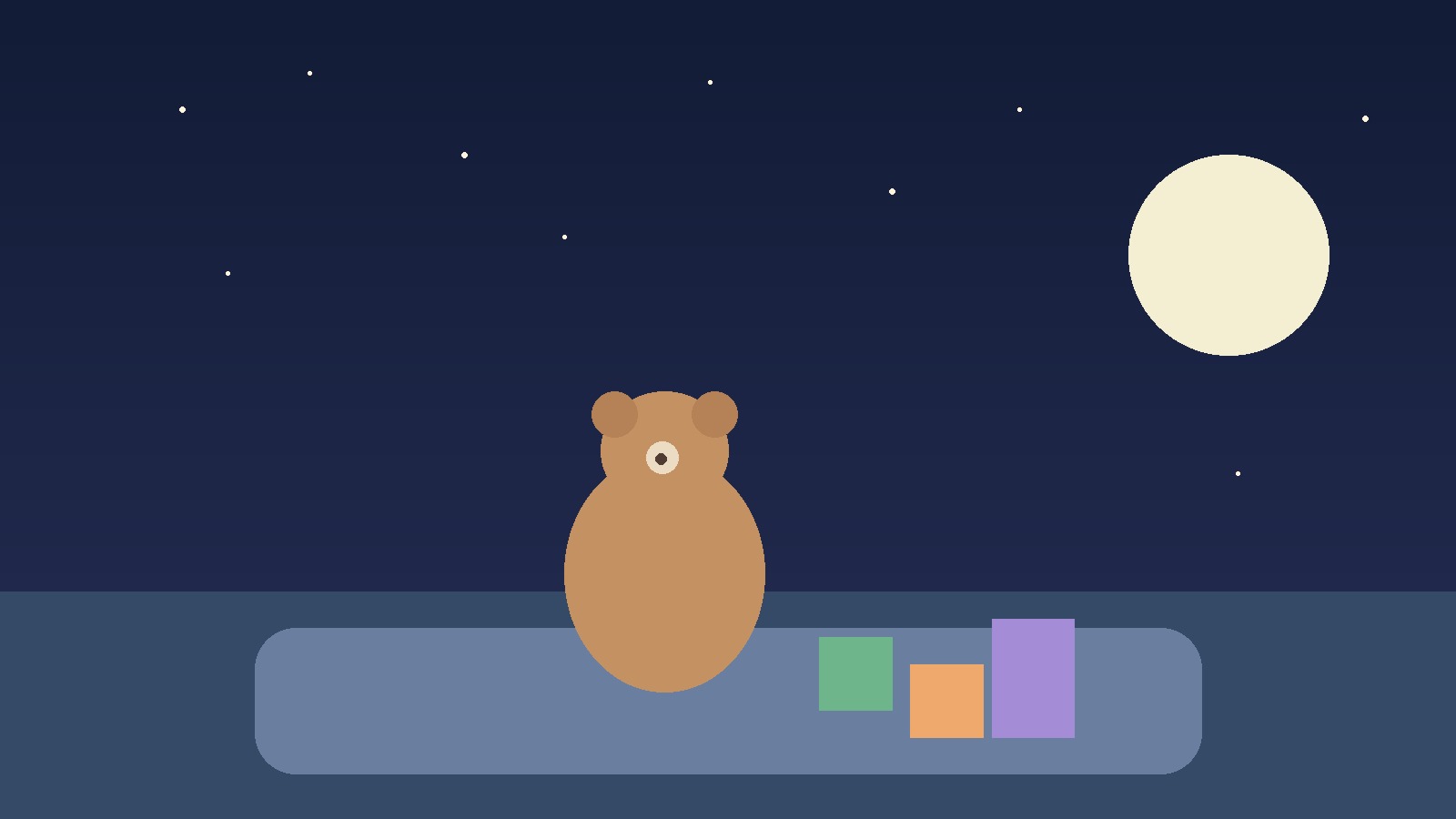
Snapshot
| Toy | Age | Price | Best for | Link |
|---|---|---|---|---|
| Weighted Plush (3-5 lb range) | 5+ | CAD $25–$40 | Kids who calm with pressure and cuddling | Check Price |
| Breathing Otter / Breathing Plush | 2+ | CAD $35–$50 | Kids who need help slowing their breathing | Check Price |
| Soft Sensory Blanket (Minky/Fleece) | All ages | CAD $20–$45 | Texture-seeking kids | Check Price |
| Night Light Projector (Warm, dim settings) | 3+ | CAD $20–$35 | Fear of dark, bedtime imagination spirals | Check Price |
Affiliate links. Prices can change.
Bedtime anxiety is not always obvious.
Sometimes it looks like stalling. Sometimes it looks like tears, questions, a sudden stomach ache, or a child who becomes wildly energetic right when the house gets quiet.
Most anxious kids do not need a shelf full of new bedtime gadgets. They need a repeatable cue that tells their body: the day is done, the room is safe, and nothing exciting is about to happen.
Weighted Plush Toy
Simple, tactile, and genuinely calming. A small weighted plush gives gentle pressure without making bedtime complicated.
These are our favourite bedtime toys for anxious kids because they support regulation without turning bedtime into another play session.
Quick Answer
For most anxious kids, start with one soft pressure-based toy and one predictable bedtime cue. A light weighted plush, breathing plush, soft sensory blanket, or warm dim night light usually works better than a busy projector, noisy toy, or complicated calming kit.
If your child has big after-school feelings before bedtime, pair this guide with best calm-down toys for after-school. If their anxiety also shows up during the day, calm toys for kids with big feelings may be a better first stop.
What actually helps at bedtime
Good bedtime toys do three jobs:
- Lower stimulation with no sudden sound, flashing light, competitive game, or screen reward.
- Create predictability by showing up in the same place, in the same order, every night.
- Give sensory comfort through pressure, warmth, texture, gentle rhythm, or familiar storytelling.
The mistake is buying a toy because it looks relaxing to adults. An anxious child may experience the same toy differently. A projector with spinning stars can feel magical to one child and visually overwhelming to another. Lavender scent can be soothing for one kid and irritating for another. A fidget can settle busy hands or become a brand-new game.
So choose slowly. Introduce one bedtime toy at a time for a week. If bedtime gets louder, longer, or more negotiated, the toy is probably too stimulating for this job.
Best bedtime toys for anxious kids
Kids who calm with pressure and cuddling
Pros
- ✓ Gentle deep-pressure input
- ✓ Feels comforting and grounding
- ✓ Easy to build into routine
Cons
- ✗ Wrong weight can feel uncomfortable
- ✗ Needs supervision for younger kids
A small weighted plush is our top pick because it is simple and repeatable. Same toy every night, same settling cue. Keep it light enough that your child can move it independently, and never use weight as a way to keep a child still.
This works best for kids who already seek pressure: burrowing under blankets, asking for big hugs, squeezing pillows, or leaning into a parent while tired. It is less ideal for kids who dislike heavy blankets, feel trapped easily, or overheat at night. If you are unsure about weight, choose lighter and ask a paediatrician or occupational therapist for guidance.
Kids who need help slowing their breathing
Pros
- ✓ Rhythmic movement encourages co-regulation
- ✓ Soft lights and gentle sounds
- ✓ Great transition toy
Cons
- ✗ Battery powered
- ✗ Some versions have music that can be too stimulating
Breathing plush toys work because many kids mirror rhythm before they can follow verbal breathing instructions. Instead of saying "calm down" ten times, you can say, "Let's breathe with the otter." That small shift matters because anxious kids often feel corrected when adults keep naming their anxiety.
Use the quietest setting. If the music becomes the focus, turn it off. The plush should be a body cue, not entertainment. It is especially useful for toddlers and younger kids who need co-regulation but are starting to separate from being rocked or held every night.
Texture-seeking kids
Pros
- ✓ Very calming tactile input
- ✓ No batteries or setup
- ✓ Works for naps and travel
Cons
- ✗ Some kids overheat
- ✗ Wrong texture can be irritating
Texture matters more than brand. Let your child pick the fabric they actually like. Some kids want smooth minky dots, some want fleece, and some cannot tolerate either. A blanket that feels "nice" to you may feel scratchy, hot, or distracting to them.
The advantage is portability. A familiar blanket can help with sleepovers, hotel rooms, or travel days when everything else feels different. If your child also struggles in cars or on planes, see best travel sensory toys for road trips with kids for portable sensory options.
Fear of dark, bedtime imagination spirals
Pros
- ✓ Creates visual safety cue
- ✓ Turns room into predictable environment
- ✓ Useful for gradual lights-out
Cons
- ✗ Bright settings can backfire
- ✗ Some models are too flashy
A night light can help when the fear is specific: monsters, shadows, the hallway, or not being able to see the room. Use the dimmest warm setting and avoid rotating, colour-changing, party-mode features. Bedtime light should make the room feel known, not interesting.
A good test: can your child look away from it? If they stare at the ceiling for twenty minutes watching the pattern, it is not a calming tool. Try a static light, a lower brightness, or move it farther from the bed.
Kids who need hands busy to settle
Pros
- ✓ Helps discharge nervous energy
- ✓ Portable
- ✓ Can be used in bed quietly
Cons
- ✗ Noisy fidgets are bedtime disasters
- ✗ Easy to lose pieces
Pick two silent fidgets max. Too many options becomes another bedtime debate. The best bedtime fidgets are slow and repetitive: marble mesh, soft squeeze shapes, textured strips, or a quiet tangle. Avoid pop tubes, clickers, loud pop-its, and anything that invites tricks.
For children who use fidgets during homework or school transitions, bedtime fidgets should be separate. Keeping a specific "sleep fidget" in the bedroom preserves the association. For daytime options, compare with best homework fidgets for kids.
Kids who relax with warmth
Pros
- ✓ Warmth + scent can signal sleep
- ✓ Comfort object with ritual value
- ✓ Great for winter evenings
Cons
- ✗ Scent sensitivity for some kids
- ✗ Needs careful heating
Warmth works well for many anxious kids because it gives the body a clear physical signal. Use it as part of the same sequence every night: warm plush, short story, lights low. Keep scent subtle and always test sensitivity first. Some kids find lavender calming; others find scent distracting or headache-inducing.
This is not a great fit for children who run hot, have trouble noticing temperature, or might reheat the pack unsafely. Treat it as a parent-managed comfort object, not an independent toy.
Kids whose anxiety shows up as racing thoughts
Pros
- ✓ Structured storytelling settles mental loops
- ✓ Parent-child connection tool
- ✓ No screens
Cons
- ✗ Needs parent participation
- ✗ Can become energising if stories get too silly
A short, predictable story ritual is often more calming than endless reassurance. The trick is structure. Choose one card, tell a tiny three-minute story, then end the same way every night. If stories become silly, competitive, or never-ending, switch to a calmer format: "one problem, one helper, one safe ending."
This is especially useful for children whose anxiety comes out as repeated questions. You are not trying to debate every fear. You are giving the brain a soft track to follow.
Simple bedtime formula
Try this for one week before buying anything else:
1. Choose one primary calming toy.
2. Choose one backup sensory option.
3. Use the same order every night: washroom, pyjamas, toy, story, lights.
4. Use the same phrase every night, such as "Body safe, brain safe, sleep time."
5. Keep the room boring after lights-out.
Consistency beats novelty. The first few nights may not look magical. The goal is not instant sleep. The goal is for your child to learn that this sequence always leads somewhere safe and predictable.
Common mistakes
The biggest mistake is rotating too many calming toys. Anxious kids often ask for novelty because novelty gives temporary relief, but it can also keep the nervous system alert. Another mistake is using bedtime toys as bargaining chips: "If you stay in bed, you can have the special plush." That turns the toy into a reward instead of a cue.
Also watch for hidden stimulation. A toy can be soft and still too exciting if it talks, sings, glows brightly, or introduces new choices every night. If bedtime is already fragile, boring is a feature.
Want better toy picks without the research rabbit hole?
Short, practical recommendations by age, need, and budget.
FAQ
Are weighted toys safe for kids?
They can be, when used correctly. Follow manufacturer guidance, choose age-appropriate weight, and avoid heavy products for very young children. A child should be able to move the toy off independently. If unsure, ask your paediatrician or occupational therapist.
What if my child gets more hyper with bedtime toys?
That toy is probably too stimulating or too novel. Remove lights and sounds first, then simplify the routine. Bedtime toys should lower arousal, not create more input.
How many bedtime toys should we use?
Usually one primary comfort toy plus one backup sensory option is enough. More than that can create choice overload and prolong bedtime.
Should bedtime toys replace reassurance?
No. They work best beside a calm adult routine. The toy gives the body something to do; your predictable response gives the nervous system safety.
Bottom line
If bedtime feels chaotic, do not add ten new things.
Pick one calming toy. Use it the same way every night. Keep the room boring. Let your child's nervous system learn the pattern.
That is where the real progress happens.
Related guides: calm-down corner toys that actually help | best bedroom calm toys for night routine | calm toys for kids with big feelings | best sensory toys for toddlers
Want better toy picks without the research rabbit hole?
Get concise recommendations by age, need, and budget.
Where to go next
By age
Best Toys for 4-Year-Olds (Learning Through Play) (2026)
Keep the recommendations age-appropriate for your kid’s stage.
By need
Best Sensory Toys for Kids with ADHD (2026)
Jump to picks focused on ADHD, sensory, and regulation support.
By budget
Best Gifts for Kids Under $25 (2026)
Compare strong options in lower price brackets before you buy.
Related Articles
Best Toys for Kids Who Rush Through Homework
Focus-break and thinking toys for kids who hurry through homework, guess quickly, or need practice slowing down.
Read more →
Best No-Mess Sensory Toys for Bedrooms
Low-mess sensory toys that can live near the bed without sand, slime, batteries, or cleanup fights.
Read more →
Calm Strips vs Marble Mesh Fidget for Classroom Focus
A quiet fidget comparison for school, homework, and kids who need discreet tactile input.
Read more →