Best Bedtime Calm Toys for 7-Year-Olds
Low-stimulation toys that help 7-year-olds settle before bed without overstimulation.
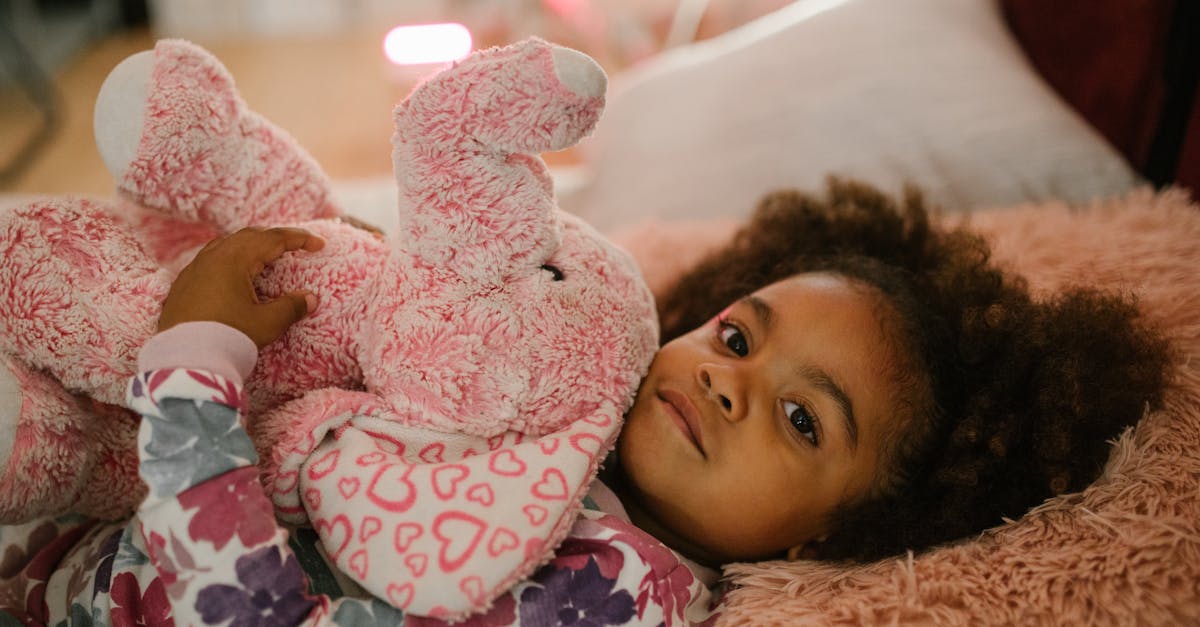
Snapshot
| Toy | Age | Price | Best for | Link |
|---|---|---|---|---|
| #1 Weighted Lap Pad | 4+ | CAD $25–$45 | Deep-pressure input during homework, meals, and regulation breaks | Check Price |
| #2 Liquid Motion Bubbler Timer | 3+ | CAD $15–$25 | Visual calming during short reset breaks | Check Price |
| #3 Textured Sensory Worry Stones (6-pack) | 3+ | CAD $15–$25 | Pocket-size tactile calming and transition support | Check Price |
| #4 Calm Strips (Textured Stickers) | 6+ | CAD $6–$13 | Silent tactile input on desks, notebooks, and devices | Check Price |
Affiliate links. Prices can change.
Seven-year-olds often understand that bedtime is coming, but that does not mean their bodies are ready for it. After school, homework, sports, screens, sibling noise, and big feelings, bedtime can become the first quiet moment when everything catches up.
The best bedtime calm toys for 7-year-olds are not exciting “one more thing” toys. They are low-stimulation tools that give hands, eyes, or muscles something predictable to do while the nervous system shifts down. They should feel age-respectful, quiet, and easy to stop when lights-out arrives.
This list is built for real evenings: tired parents, limited patience, and kids who may need help moving from active play into rest. The goal is not to entertain a child for another hour. It is to make the last 20 minutes of the day less combative.
Weighted Lap Pad
Reliable engagement, low setup friction, and strong replay value for real family routines.
This guide focuses on toys that are practical, repeatable, and useful beyond the first week. I favoured options that can live beside a bed, in a calm-down basket, or on a nightstand without adding noise, bright light, or a complicated cleanup step.
What to Look For
- Low stimulation. Avoid toys with flashing lights, loud sound effects, competitive rules, or surprise rewards before bed.
- A clear stop point. Bedtime tools should be easy to put down after a few minutes, not designed to escalate play.
- Body-based calming. Deep pressure, slow visual tracking, and gentle tactile input are often more useful than novelty.
- Age-respectful design. Seven-year-olds may reject anything that feels too babyish, even if the sensory idea is sound.
- Safe unsupervised use. Anything that stays near the bed should be checked for weight, chew safety, small parts, and durability.
Our Top 6 Picks
Weighted Lap Pad
Deep-pressure input during homework, meals, and regulation breaks
Pros
- ✓ Grounding pressure input
- ✓ No setup needed
- ✓ Works across routines
Cons
- ✗ Too heavy for some kids
- ✗ Not ideal for travel
- ✗ Needs correct weight selection
Liquid Motion Bubbler Timer
Visual calming during short reset breaks
Pros
- ✓ Quiet visual input
- ✓ Low setup
- ✓ Good calm-down corner fit
Cons
- ✗ Can leak if damaged
- ✗ Mostly passive
- ✗ Some kids lose interest quickly
Pocket-size tactile calming and transition support
Pros
- ✓ Portable
- ✓ Quiet
- ✓ Great for waiting rooms and transitions
Cons
- ✗ Easy to lose
- ✗ Not highly engaging for long sessions
- ✗ Material quality varies
Silent tactile input on desks, notebooks, and devices
Pros
- ✓ Invisible in class
- ✓ No loose parts
- ✓ Great for quick regulation
Cons
- ✗ Adhesive wears over time
- ✗ Limited texture per strip
- ✗ Needs clean surfaces
Chewigem Sensory Chew Bangle
Hand-accessible chew that doubles as a fidget
Pros
- ✓ Doubles as fidget
- ✓ Worn on wrist
- ✓ Variety of textures
Cons
- ✗ Pricier than basic chews
- ✗ Sized to fit wrist
- ✗ Some kids prefer necklace style
Portable quiet play for travel and waiting rooms
Pros
- ✓ Very affordable
- ✓ Travel friendly
- ✓ Instant setup
Cons
- ✗ Sticker loss
- ✗ Shorter sessions
- ✗ Theme-limited
Why These Picks Made the List
Weighted Lap Pad
A weighted lap pad is the most practical starting point because it asks very little of a tired child. It can sit across the lap during reading, quiet drawing, audiobook time, or a parent chat. For some kids, that steady pressure gives enough body feedback to stop the constant rolling, kicking, or getting out of bed.
Choose weight carefully and follow the product guidance. This is not a “heavier is better” purchase. If your child dislikes pressure, runs warm, or feels trapped by blankets, start with a smaller lap pad used briefly rather than expecting it to solve bedtime immediately.
Liquid Motion Bubbler Timer
A liquid motion bubbler timer gives a 7-year-old something slow to watch without adding a screen. It works best as a transition object: flip it, watch the drops fall, breathe, then choose the next quiet step. The visual rhythm can be especially useful for kids who need a concrete marker that the day is slowing down.
This is a passive calming tool, not a play centre. If your child shakes it aggressively or tries to pry it open, it belongs on a supervised calm-down shelf rather than beside the bed.
Textured Sensory Worry Stones (6-pack)
Worry stones are useful because they are silent, small, and socially subtle. A 7-year-old can rub one during reading, while talking through a hard moment, or while lying in bed listening to a story. They give restless fingers something to do without turning bedtime into building time.
The downside is that small pieces disappear. Keep one in the bedside basket and store the rest elsewhere. If your child still mouths objects, choose a safer chew option instead of a small tactile stone.
Calm Strips (Textured Stickers)
Calm Strips are a good fit for kids who need tactile input but lose handheld fidgets. Put one on a bedframe, notebook, water bottle, or the inside edge of a bedside table. The child can rub the texture during the routine without having another loose item to find later.
They are not exciting, and that is the point. The main issue is adhesive life. Clean the surface first and treat them as a quiet regulation support, not a toy that will entertain a child by itself.
Chewigem Sensory Chew Bangle
For children who chew sleeves, blankets, pencils, or fingers when tired, a chew bangle can be a better-directed option. The wrist format keeps it accessible and less likely to vanish under the bed. It can also double as a hand fidget while a child listens to a story.
This is a very child-specific pick. Some kids love chew jewellery; others reject the texture or prefer necklaces. Check material, size, and cleaning instructions, and replace it when wear appears.
Melissa & Doug Reusable Sticker Pad
A reusable sticker pad is not a sensory tool in the same way as a lap pad or chew, but it can be a useful low-stakes bedtime activity for kids who resist going straight from active play to bed. It gives hands something simple to do while keeping the energy quieter than crafts, building sets, or games.
Use it as a “last table activity,” not under the covers. One scene, then stop. If stickers migrate all over the room, keep the pad in a bedtime basket that comes out only during the wind-down window.
A Simple 20-Minute Bedtime Calm Routine
1) Ten minutes before pyjamas: lower the room energy
Dim lights where possible, turn off fast audio, and put away toys with lots of pieces. This is when a lap pad, worry stone, or Calm Strip can appear. The cue should be predictable: “We are switching to quiet hands.”
2) Five minutes of body settling
Some 7-year-olds need pressure before they can listen. Try lap pad plus reading, a slow wall push, or lying under regular blankets while taking three slow breaths. Keep it boring. Bedtime calm is not a workout.
3) One quiet choice
Offer two options, not a menu: bubbler timer or sticker scene, worry stone or lap pad, chew bangle or story. Too many choices can restart negotiation.
4) A clear handoff to sleep
Put the tool back in the same place every night. “Stone goes in the bowl, light goes off, story is done.” Kids cooperate more when the ending is as predictable as the beginning.
Which Pick Fits Which Bedtime Problem?
- Constant movement: start with the weighted lap pad during reading, not after lights-out.
- Anxious hands: try worry stones or a Calm Strip near the bed.
- Screen withdrawal: use the liquid motion bubbler as a slow visual replacement.
- Chewing sleeves or bedding: consider the Chewigem bangle if it matches your child's sensory needs.
- Resistance to leaving play: use the sticker pad as one small closing activity before the bedroom routine.
- Sibling noise before bed: choose silent tools that can be used independently, like worry stones or Calm Strips.
Safety and Frustration Checks
Bedtime toys need a higher bar than daytime toys because parents are trying to reduce supervision, not add more of it. Avoid small loose pieces for kids who mouth objects. Avoid heavy items if the child cannot remove them independently. Avoid messy sensory bins, kinetic sand, slime, or anything with water right before bed.
Also watch for toys that accidentally become bargaining chips. If a child starts asking for “one more sticker scene” or repeatedly flipping the timer to delay sleep, move that item earlier in the evening. The toy should support the routine, not become the routine.
Want better toy picks without the research rabbit hole?
Short, practical recommendations by age, need, and budget.
FAQ
Do bedtime calm toys actually help kids sleep?
They can help with the transition into bed, but they are not a sleep cure. The most useful toys reduce stimulation, support body awareness, and make the routine predictable. Sleep timing, screens, room temperature, and anxiety still matter.
Are weighted lap pads safe for 7-year-olds?
They can be appropriate when the weight is suitable and the child can remove it easily. Follow product guidance and avoid using any weighted item as a restraint. If your child has medical, breathing, or mobility concerns, ask a qualified professional first.
What should I avoid before bed?
Avoid toys with bright lights, loud sounds, competitive scoring, messy materials, or lots of tiny pieces. Also avoid anything your child finds so exciting that stopping becomes the next battle.
What if my child says calm toys are babyish?
Choose tools that look neutral or “big kid”: textured strips, worry stones, simple lap pads, or quiet art supplies. Seven-year-olds are often more willing to use regulation tools when they do not look like toddler toys.
How many bedtime tools should be available?
Keep it to two or three. A crowded calm-down basket turns into another choice problem. Rotate weekly if needed, but keep the routine itself familiar.
Related reads
- Best Bedtime Calm Toys for 8-Year-Olds
- Best Sensory Toys for ADHD Kids
- Calm-Down Corner Toys That Actually Help
- Best Calm-Down Toys for After School
- Learning Toys for ADHD Kids
If You Can Only Buy One
Weighted Lap Pad is the most versatile first choice for many 7-year-olds because it can support reading, quiet conversation, homework recovery, and the bedtime wind-down without adding sound, screens, or cleanup.
Want better toy picks without the research rabbit hole?
Get concise recommendations by age, need, and budget.
Where to go next
By age
Best Homework Break Toys for 7-Year-Olds
Keep the recommendations age-appropriate for your kid’s stage.
By need
Best Sensory Toys for Kids with ADHD (2026)
Jump to picks focused on ADHD, sensory, and regulation support.
By budget
Best Gifts for Kids Under $25 (2026)
Compare strong options in lower price brackets before you buy.
Related Articles
Best Toys for Kids Who Rush Through Homework
Focus-break and thinking toys for kids who hurry through homework, guess quickly, or need practice slowing down.
Read more →
Best No-Mess Sensory Toys for Bedrooms
Low-mess sensory toys that can live near the bed without sand, slime, batteries, or cleanup fights.
Read more →
Calm Strips vs Marble Mesh Fidget for Classroom Focus
A quiet fidget comparison for school, homework, and kids who need discreet tactile input.
Read more →