Alternatives to Kinetic Sand for Kids
6 lower-mess alternatives to kinetic sand for sensory play, focus, and calm transitions.
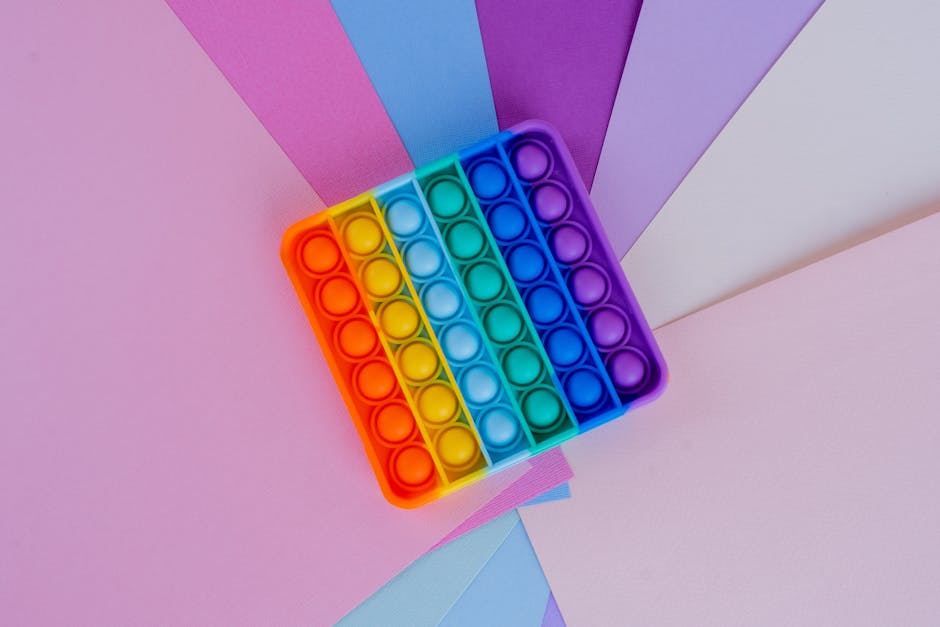
Snapshot
| Toy | Age | Price | Best for | Link |
|---|---|---|---|---|
| #1 Fat Brain Toys Dimpl | 1+ | CAD $15–$25 | Silent tactile regulation with zero cleanup | Check Price |
| #2 Calm Strips (Textured Stickers) | 6+ | CAD $6–$13 | On-desk sensory input during work blocks | Check Price |
| #3 Marble Mesh Fidget | 6+ | CAD $6–$13 | Quiet repetitive hand movement | Check Price |
| #4 Learning Resources Playfoam | 3+ | CAD $12–$25 | Squishy tactile play without loose grains | Check Price |
Affiliate links. Prices can change.
Kinetic sand is great — until cleanup turns into a second job.
For some kids, the squish, pressure, and moulding are genuinely calming. For some homes, though, the scattered grains, carpet risk, and cleanup arguments make it hard to use on ordinary school nights. The right alternative keeps the useful tactile input while reducing the mess, setup, or parent supervision needed.
Fat Brain Toys Dimpl
Quiet, zero-mess tactile input with almost no setup or cleanup.
If your child likes sensory play but you need lower-mess options, these are better daily drivers. They are not all direct texture replacements for sand. Some offer pressure, some offer repetitive hand movement, and some offer quiet creative play. The goal is to match the regulation need, not just copy the exact feel of kinetic sand.
If mess is the main issue, also compare this with best no-mess sensory toys for bedrooms and calm-down corner toys that actually help.
Quick Answer
For the easiest everyday replacement, choose Fat Brain Toys Dimpl. It gives tactile input with no loose material, no drying out, and no cleanup beyond putting it back in a drawer. For older kids who need subtle desk input, Calm Strips are better. For kids who still want squishy moulding, Learning Resources Playfoam is closer to kinetic sand, but it still needs a table or tray.
Who This Is For
- Families who love sensory play but need faster cleanup.
- Kids who regulate better with tactile input during transitions.
- Parents trying to reduce mess-related conflict at home.
- Children who need a portable sensory option for homework, waiting rooms, or travel.
- Homes where sand bins work on weekends but not during busy weekday routines.
Who Should Skip This List
- Kids whose best regulation tool is deep, open-ended bin play.
- Homes where a dedicated tray/containment setup already solves kinetic sand mess.
- Families specifically looking for outdoor-only sensory play options.
- Children who mouth small objects or peel stickers, unless an adult can supervise closely.
What to Look For Instead
- Tactile feedback without loose material.
- Fast setup for real-life transitions.
- Quiet use for homework and calm time.
- Portable format for home plus travel.
- Easy storage so the toy is available when regulation is already hard.
- The right intensity because some kids need strong squish while others only need light fingertip input.
Best Kinetic Sand Alternatives
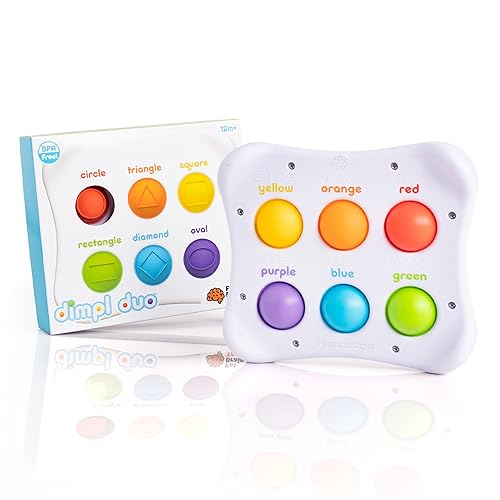
Fat Brain Toys Dimpl
Silent tactile regulation with zero cleanup
Pros
- ✓ No mess
- ✓ Portable
- ✓ Durable
Cons
- ✗ Short play loops
- ✗ Simple challenge level
- ✗ Less open-ended than sand
Dimpl is the best low-mess replacement because it gives satisfying push-pop tactile input without loose pieces. It is not as imaginative as a sensory bin, but that is also the point: a child can use it on the couch, in the car, beside homework, or during a transition without creating a cleanup job.
It is especially useful for younger kids, waiting rooms, and calm-down baskets. For older kids, it may feel too simple unless it is used as a short regulation tool rather than a main activity.
On-desk sensory input during work blocks
Pros
- ✓ Classroom-friendly
- ✓ No loose parts
- ✓ Always available
Cons
- ✗ Subtle sensory feel
- ✗ Adhesive wears down
- ✗ Not ideal for very young kids
Calm Strips are the most discreet option on this list. They stick to a desk, notebook, water bottle, or laptop case so a child can rub a textured surface while listening, reading, or doing homework. They are not a play toy in the same way kinetic sand is, but they are excellent for background sensory input.
They work best for older kids who can use them without peeling them off constantly. If your child needs strong pressure or full-hand squeezing, Calm Strips may be too subtle.
Marble Mesh Fidget
Quiet repetitive hand movement
Pros
- ✓ Very affordable
- ✓ Pocket size
- ✓ Low noise
Cons
- ✗ Can tear
- ✗ Easy to misplace
- ✗ Less novelty
A marble mesh fidget is a simple pocket tool: push the marble back and forth through the fabric tube. The benefit is repetitive hand movement without sand, putty, crumbs, or batteries. It is also cheap enough to keep one in a backpack, car, and homework bin.
The tradeoff is durability. These are not ideal for kids who chew, pull hard, or use fidgets roughly. They are better as a quiet focus support than a deep sensory play replacement.
Learning Resources Playfoam
Squishy tactile play without loose grains
Pros
- ✓ No drying out
- ✓ Easy to pack away
- ✓ Moulds like putty with less scatter
Cons
- ✗ Can pick up lint
- ✗ Less realistic texture than sand
- ✗ Not ideal on carpet
Playfoam is the closest pick here to a true sensory material. Kids can squeeze it, shape it, press it, and use it for small builds. Compared with kinetic sand, it has less loose scatter and does not dry out in the same way, but it is still not completely mess-free.
Use it at a table, tray, or placemat. Avoid carpet, fuzzy blankets, and lint-heavy surfaces. If your child loves shaping and building, Playfoam may satisfy the same need that sand does with less cleanup stress.
Quiet creative sensory breaks
Pros
- ✓ Low cost
- ✓ Portable
- ✓ Fast setup
Cons
- ✗ Can lose stickers
- ✗ Paper can wear
- ✗ Less tactile depth
Reusable sticker pads are not squishy, but they solve a related problem: kids who need a quiet hands-on break but cannot handle a messy activity right now. Peeling, placing, and rearranging stickers gives fine-motor input and a creative loop with minimal setup.
This is a good travel or restaurant option for younger kids. Store the stickers in a pouch after each session, because missing pieces can quickly make the pad less useful.
Matching the Alternative to the Need
If your child needs hand pressure
Try Dimpl, Playfoam, or a separate squeeze fidget. Calm Strips may not be intense enough for kids who seek firm pressure.
If your child needs quiet focus during homework
Try Calm Strips or a marble mesh fidget. These are less visually exciting, which is useful when the goal is staying with a task rather than starting a new play session. For more homework-specific options, see best homework fidgets for kids.
If your child wants creative sensory play
Try Playfoam or reusable sticker pads. They provide more imagination than a single fidget while staying easier to contain than sand.
If transitions are the hardest part
Keep one zero-setup option in the transition zone: beside shoes, in the car, or near the homework table. A tool you can reach in five seconds is more useful than a perfect sensory bin that takes 15 minutes to prepare.
When to Keep Kinetic Sand Anyway
Keep kinetic sand if your child gets major regulation benefit and you can contain it to a tray or mat zone. For some kids, the deep tactile input of sand is worth the cleanup. In that case, the fix may be a better routine rather than a replacement:
- use a large tray with raised edges
- limit play to one table or washable mat
- set a timer before cleanup starts
- use a small handheld vacuum nearby
- store tools and sand together in one lidded bin
If cleanup is causing daily friction, switch to one of the no-mess options above for weekdays and save kinetic sand for weekends or outdoor play.
Setup Tips for Lower-Mess Sensory Play
1) Build a two-level sensory basket
Keep one or two zero-mess tools on top, like Dimpl or Calm Strips, and a slightly messier option underneath, like Playfoam. That way the fastest option is always the easiest to choose.
2) Separate regulation tools from reward toys
If a fidget is meant to help with homework or transitions, do not make it feel like a prize that can be taken away for every mistake. The purpose is support, not entertainment leverage.
3) Rotate by texture, not just by toy
Some days a child may want firm pressure. Other days light rubbing or repetitive motion is enough. Keep a few textures available so you can match the need.
4) Watch for distraction
A sensory tool is working when it helps the child return to the task or calm down. If it becomes the whole activity, move it to break time and choose a subtler option for focus work.
Want better toy picks without the research rabbit hole?
Short, practical recommendations by age, need, and budget.
FAQ
What is the closest no-mess alternative to kinetic sand?
For tactile calming with almost no cleanup, Dimpl plus Calm Strips is usually the best low-mess replacement. For a more mouldable texture, Playfoam is closer to sand, but it still needs a contained surface.
Are these alternatives good for ADHD or sensory needs?
Yes, as long as the toy matches the child. Some kids need firm squeezing, some need repetitive hand motion, and some need quiet texture. For a wider list, see best sensory toys for ADHD kids.
Is kinetic sand bad?
Not at all. It is effective for many kids. It just is not always practical for everyday routines, especially in homes with carpet, pets, younger siblings, or limited cleanup time.
What should I use in a calm-down corner?
Choose tools that are quiet, easy to reset, and not likely to scatter. Dimpl, Calm Strips, marble mesh, and a small sticker pad can all work. For a fuller setup, use calm-down corner toys that actually help.
Related reads
- Best Sensory Toys for ADHD Kids
- Calm-Down Corner Toys That Actually Help
- Best Toys for Kids Under $30
- Best No-Mess Sensory Toys for Bedrooms
- Best Homework Fidgets for Kids
If You Can Only Buy One
Fat Brain Toys Dimpl is the easiest daily sensory win with almost zero parent overhead. It will not replace the full creative depth of kinetic sand, but it solves the everyday problem: quick tactile input without a cleanup battle.
If your child specifically needs moulding and shaping, add Learning Resources Playfoam as the weekend or table-only option.
Want better toy picks without the research rabbit hole?
Get concise recommendations by age, need, and budget.
Where to go next
By age
Best Toys for 4-Year-Olds (Learning Through Play) (2026)
Keep the recommendations age-appropriate for your kid’s stage.
By need
Gifts for Neurodivergent Kids: A Parent's Guide (2026)
Jump to picks focused on ADHD, sensory, and regulation support.
By budget
Best Gifts for Kids Under $25 (2026)
Compare strong options in lower price brackets before you buy.
Related Articles
Best Toys for Kids Who Rush Through Homework
Focus-break and thinking toys for kids who hurry through homework, guess quickly, or need practice slowing down.
Read more →
Best No-Mess Sensory Toys for Bedrooms
Low-mess sensory toys that can live near the bed without sand, slime, batteries, or cleanup fights.
Read more →
Calm Strips vs Marble Mesh Fidget for Classroom Focus
A quiet fidget comparison for school, homework, and kids who need discreet tactile input.
Read more →