Best Road Trip Toys for 7-Year-Olds
Travel-friendly toys for 7-year-olds that reduce boredom and meltdowns during long drives.
Snapshot
| Toy | Age | Price | Best for | Link |
|---|---|---|---|---|
| #1 Melissa & Doug Reusable Sticker Pad | 3+ | CAD $8–$17 | Portable quiet play for travel and waiting rooms | Check Price |
| #2 Fat Brain Toys Dimpl | 1+ | CAD $15–$35 | Quiet, compact travel fidget for car seats, restaurants, and long waiting stretches | Check Price |
| #3 VTech Doodle and Draw Learning Center | 3+ | CAD $30–$45 | Creative drawing plus letter/number exposure | Check Price |
| #4 Marble Mesh Fidget | 6+ | CAD $6–$13 | Quiet hand movement and repetitive tactile regulation | Check Price |
Affiliate links. Prices can change.
Seven-year-olds are old enough to handle more interesting travel toys, but not always old enough to manage boredom gracefully for hours in a back seat. A good road trip toy has to work in a tight space, restart easily after a snack stop, and keep the child engaged without shedding tiny pieces into the seat gap.
Road trips go better when sensory support is proactive and toys are easy to manage. The goal is not to pack a whole playroom into the car. It is to create a few reliable options for quiet hands, visual focus, simple creativity, and small bursts of challenge before boredom turns into fighting or screen begging.
Melissa & Doug Reusable Sticker Pad
Reliable engagement, low setup friction, and strong replay value for real family routines.
This guide focuses on road trip toys that are practical, repeatable, and useful beyond the first week. For broader travel ideas, see Best Travel Toys for Airplanes with Kids. If your child needs more sensory support on long drives, compare Best Travel Sensory Toys for Road Trips with Kids.
What to Look For
- Fast entry. If setup is complicated, attention disappears before the first rest stop.
- Low mess. Skip toys that require markers without caps, loose slime, or too many tiny pieces.
- Quiet play. Car toys should not punish everyone else in the vehicle.
- Easy restart. A good option can be picked up again after snacks, naps, or gas stops.
- Seat-friendly design. Compact cases, pads, and pocket fidgets beat sprawling sets.
- Regulation support. The best toys help kids recover, not just stay busy.
Our Top 6 Picks
Portable quiet play for travel and waiting rooms
Pros
- ✓ Very affordable
- ✓ Travel friendly
- ✓ Instant setup
Cons
- ✗ Sticker loss
- ✗ Shorter sessions
- ✗ Theme-limited
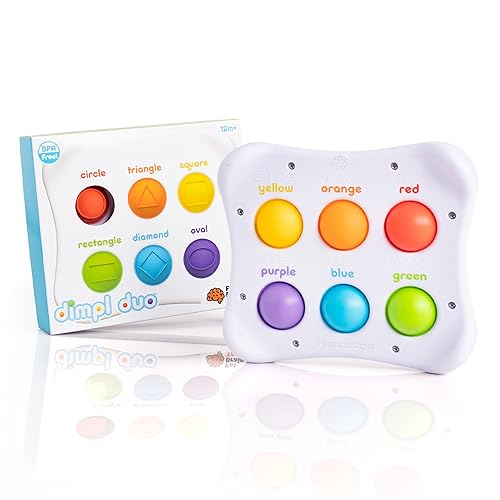
Fat Brain Toys Dimpl
Quiet, compact travel fidget for car seats, restaurants, and long waiting stretches
Pros
- ✓ Truly silent
- ✓ Durable
- ✓ Pocket-size
Cons
- ✗ Short play windows
- ✗ Skews younger
- ✗ Limited challenge
Creative drawing plus letter/number exposure
Pros
- ✓ Good learning-creative hybrid
- ✓ Lower mess than paper crafts
- ✓ Fast setup
Cons
- ✗ Older kids may outgrow it
- ✗ Audio prompts can annoy
- ✗ Not enough challenge for some kids
Marble Mesh Fidget
Quiet hand movement and repetitive tactile regulation
Pros
- ✓ Very affordable
- ✓ Quiet
- ✓ Pocket friendly
Cons
- ✗ Can tear with rough use
- ✗ Less engaging for some younger kids
- ✗ Easy to misplace
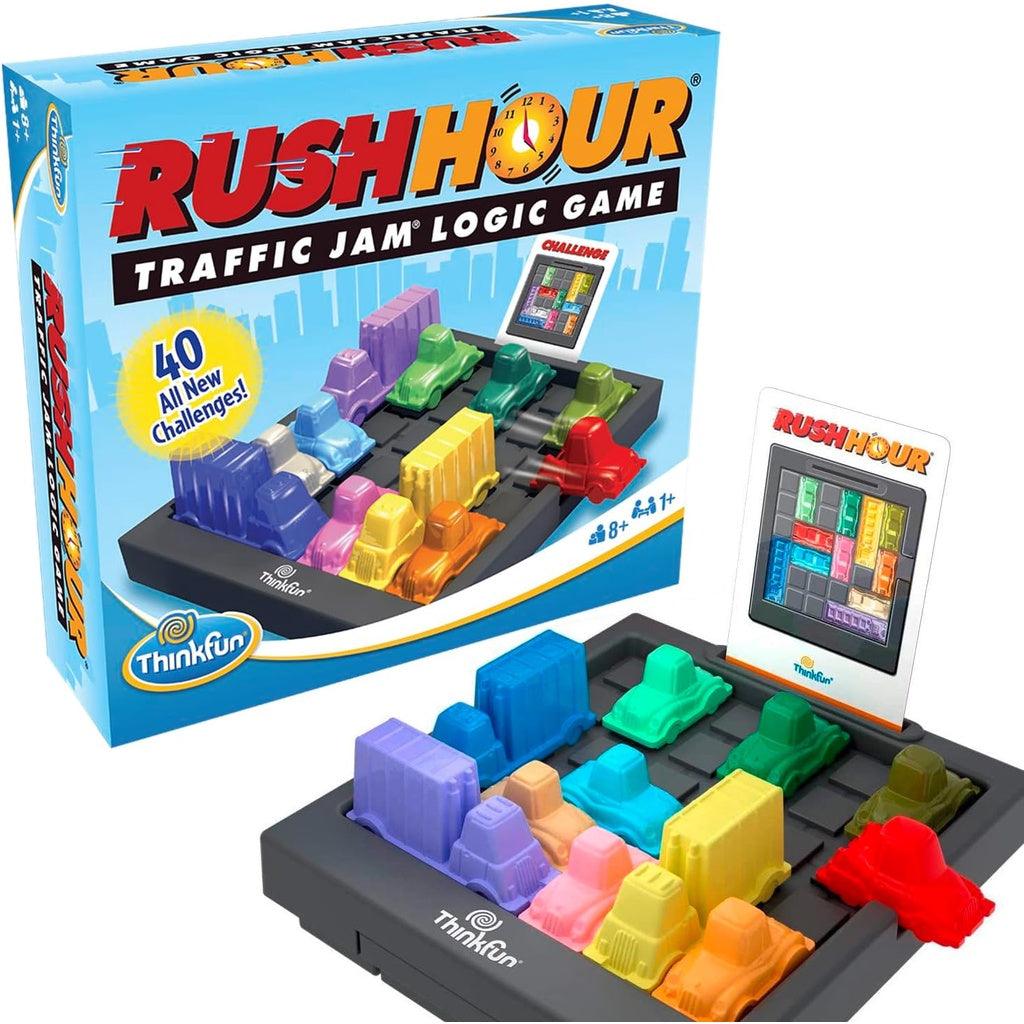
ThinkFun Rush Hour Junior
Portable traffic-jam logic puzzle for back seats, restaurants, and hotel downtime
Pros
- ✓ Very low setup
- ✓ Clear challenge cards
- ✓ Good early logic practice
Cons
- ✗ Single-player
- ✗ Can feel repetitive
- ✗ May be too easy for puzzle-loving older kids
Silent tactile input on desks, notebooks, and devices
Pros
- ✓ Invisible in class
- ✓ No loose parts
- ✓ Great for quick regulation
Cons
- ✗ Adhesive wears over time
- ✗ Limited texture per strip
- ✗ Needs clean surfaces
Why These Picks Made the List
Melissa & Doug Reusable Sticker Pad
The Melissa & Doug Reusable Sticker Pad is the top pick because it is cheap, familiar, and easy to start in a car seat. A 7-year-old can make scenes, change them, and restart without glue, scissors, or a pile of craft supplies. It also works outside the car: hotel rooms, restaurants, grandparents' houses, waiting rooms, and quiet morning time.
The tradeoff is session length. Some kids will use a sticker pad for twenty minutes; others will burn through the novelty quickly. Stickers can also disappear into the seat or lose cling if they collect crumbs. To make it work better, put the pad in a flat pouch and bring one theme at a time instead of the whole stack.
Fat Brain Toys Dimpl
Dimpl is technically aimed younger, but it remains useful for many 7-year-olds as a quiet regulation tool. It is silent, durable, and easy to use with one hand. That matters in the back seat, where a toy that rolls away or requires a table quickly becomes a frustration trigger.
This is not the best choice if you need deep entertainment for hours. Think of it as a reset tool for restless hands during podcasts, audiobooks, traffic, or the last twenty minutes before a stop. It can also pair well with listening activities because it gives the body something to do without demanding much visual attention.
VTech Doodle and Draw Learning Center
The VTech Doodle and Draw Learning Center gives creative play without loose crayons, paper piles, or markers drying out under a seat. For 7-year-olds who like drawing, tracing, letters, or simple challenges, it can turn a boring stretch of highway into a contained creative block.
The caution is sound. Audio prompts can annoy siblings or parents in a small car, so check volume settings and consider whether headphones are appropriate. Some 7-year-olds may also outgrow the learning prompts faster than the drawing function. If your child already loves open-ended drawing, a simpler magnetic doodle board may be enough.
Marble Mesh Fidget
A marble mesh fidget is one of the easiest road trip add-ons because it is quiet, affordable, and pocket-sized. The child pushes a marble back and forth through a mesh sleeve, getting repetitive tactile input without clicks, lights, or sound. For anxious or restless kids, that tiny hand movement can prevent bigger body movement.
The downside is durability. Rough pulling can tear the mesh, and the small size makes it easy to misplace. Buy it as a support tool, not the main entertainment plan. It is best kept in the door pocket, backpack front pocket, or a small seat organizer where the child can reach it quickly.
ThinkFun Rush Hour Junior
Rush Hour Junior adds actual thinking to the travel bag. The traffic-jam puzzles give a 7-year-old a clear goal: move the ice cream truck out by sliding vehicles forward and backward. It is compact enough for hotel downtime or restaurant waits, and some kids can use it carefully in the car if they have a lap tray.
This is the best pick on the list for a child who needs more challenge than fidgets and sticker pads. It can still become frustrating if pieces slide around or harder cards are introduced too soon. Start with easy cards, keep the vehicle grid on a tray, and save harder puzzles for stops or non-moving downtime. If logic toys are a good fit, see Best Screen-Free Weekend Toys for 7-Year-Olds.
Calm Strips (Textured Stickers)
Calm Strips are not a toy in the usual sense, but they are useful on road trips because they add silent tactile input to something the child already touches. Place one on a notebook, water bottle, tablet case, travel tray, or the inside of a backpack strap. Then the child has a rub-and-reset spot without carrying another object.
The advantage is zero loose pieces. The limitation is that the texture is subtle and not every child finds it satisfying. They work best for kids who like rubbing seams, labels, Velcro, or textured surfaces when they concentrate. Clean the surface before sticking them down so they last longer.
How to Pack Road Trip Toys for a 7-Year-Old
Pack in layers: one creative toy, one thinking toy, one hand fidget, and one calming texture. More than that can turn the back seat into a toy avalanche. Put each item in a pouch or seat organizer so the child can find it independently.
Do not reveal every toy at the start of the drive. Keep one or two options for the hard stretch: after lunch, during traffic, or near the end when everyone is tired. A new item introduced at the right moment can reset the mood better than a huge pile available from minute one.
Want better toy picks without the research rabbit hole?
Short, practical recommendations by age, need, and budget.
Practical Setup Tips
1) Keep only 3 to 5 toys accessible
Fewer options usually means deeper play and less overwhelm. Store backups in the front or trunk and rotate them at stops.
2) Use short play blocks
Try 15 to 25 minute sessions with a clear start and finish. Seven-year-olds often do better with "one challenge card" or "one sticker scene" than an open-ended demand to stay busy.
3) Pair listening with hand toys
Audiobooks, music, or family stories often last longer when hands have something quiet to do. Dimpl, marble mesh fidgets, and Calm Strips are good pairings.
4) Use a lap tray carefully
A lap tray can make Rush Hour Junior, sticker pads, and drawing toys easier, but it should not be overloaded. One activity at a time prevents drops and arguments.
5) Plan for the last hour
The last hour is often the hardest. Save the most novel toy, special snack, or favourite audiobook chapter for that stretch instead of using everything early.
FAQ
Are these toys only for kids with a diagnosis?
No. These picks can help many kids who need better focus, calmer transitions, or lower-stimulation play during long drives. They are practical travel tools, not medical equipment.
How many toys should we pack for one road trip?
For one 7-year-old, start with 3 to 5 accessible options plus one backup. Too many loose choices can create clutter and reduce sustained attention.
What if my child gets carsick?
Prioritise listening, tactile fidgets, and simple visual breaks out the window. Detailed drawing, reading, and small puzzle work can make carsickness worse for some kids. Keep those activities for stops or hotel downtime.
What if my child gets bored quickly?
Use short sessions, rotate weekly, and focus on toys with immediate feedback and open-ended replay. On road trips, timing matters: hold back a fresh toy for the hardest stretch rather than giving everything at departure.
Related reads
- Best Travel Sensory Toys for Road Trips with Kids
- Best Travel Toys for Airplanes with Kids
- Best Screen-Free Weekend Toys for 7-Year-Olds
- Best Gifts for Kids Under $25
- Best Toys for Kids Who Get Bored Easily
If You Can Only Buy One
Melissa & Doug Reusable Sticker Pad.
It gives the best balance of low price, instant setup, quiet play, and travel flexibility for most 7-year-olds on long drives.
Want better toy picks without the research rabbit hole?
Get concise recommendations by age, need, and budget.
Where to go next
By age
Best Homework Break Toys for 7-Year-Olds
Keep the recommendations age-appropriate for your kid’s stage.
By need
Gifts for Neurodivergent Kids: A Parent's Guide (2026)
Jump to picks focused on ADHD, sensory, and regulation support.
By budget
Best Gifts for Kids Under $25 (2026)
Compare strong options in lower price brackets before you buy.
Related Articles

Mental Blox vs Rush Hour Junior for Logic Skills
Compare two low-tech logic toys for kids who need more thinking reps without screens.
Read more →
Monster Scale vs Numberblocks MathLink Cubes for Preschool Math
Compare two hands-on math toys for early counting, number sense, and quiet learning play.
Read more →
Best Calm Waiting-Room Toys for Kids
Small quiet toys for appointments, restaurants, waiting rooms, and other moments where kids need help staying regulated.
Read more →