Best Road Trip Toys for 5-Year-Olds
Travel-friendly toys for 5-year-olds that reduce boredom and meltdowns during long drives.
Snapshot
| Toy | Age | Price | Best for | Link |
|---|---|---|---|---|
| #1 Fat Brain Toys Dimpl | 1+ | CAD $15–$35 | Quiet, compact travel fidget for car seats, restaurants, and long waiting stretches | Check Price |
| #2 VTech Doodle and Draw Learning Center | 3+ | CAD $30–$45 | Creative drawing plus letter/number exposure | Check Price |
| #3 Munchables Sensory Chew Necklace | 3+ | CAD $18–$30 | Wearable chew tool for ongoing oral sensory needs | Check Price |
| #4 Marble Mesh Fidget | 6+ | CAD $6–$13 | Quiet hand movement and repetitive tactile regulation | Check Price |
Affiliate links. Prices can change.
Road trips with 5-year-olds go better when sensory support is proactive and toys are easy to manage in tight spaces. At this age, many kids can handle longer drives than preschoolers, but they still need help with waiting, body wiggles, boredom, hunger, noise, and the feeling of being strapped in for too long.
The right travel toy is not just a distraction. It gives a child something safe to do with their hands, mouth, eyes, or imagination before the back-seat spiral starts. The best picks are quiet, compact, low-mess, and simple enough to use without a parent constantly reaching into the back seat.
Fat Brain Toys Dimpl
Reliable engagement, low setup friction, and strong replay value for real family routines.
This guide focuses on toys that are practical for real travel: car seats, booster seats, rest stops, restaurants, hotels, ferry waits, and long stretches where screens may be unavailable or overstimulating. For a broader travel-sensory list, see Best Travel Sensory Toys for Road Trips with Kids. For appointments and restaurants, Best Calm Waiting-Room Toys for Kids overlaps in useful ways.
What to Look For
- Quiet use. Repetitive clicks, songs, and loud electronic prompts can make the whole car tense.
- One-hand friendly. A 5-year-old should be able to use the toy while buckled.
- Low drop penalty. If it falls beside the car seat, the drive should not fall apart.
- Regulation support. Chewing, popping, drawing, squeezing, or tactile input can help before a meltdown.
- Short-session replay. Road trip toys need to work in five-minute bursts, not only long focused sessions.
Our Top 6 Picks
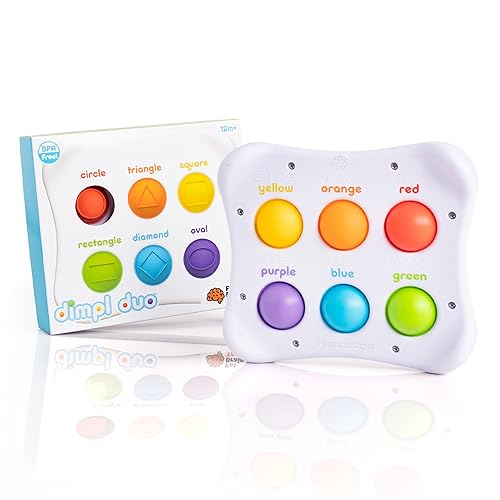
Fat Brain Toys Dimpl
Quiet, compact travel fidget for car seats, restaurants, and long waiting stretches
Pros
- ✓ Truly silent
- ✓ Durable
- ✓ Pocket-size
Cons
- ✗ Short play windows
- ✗ Skews younger
- ✗ Limited challenge
Creative drawing plus letter/number exposure
Pros
- ✓ Good learning-creative hybrid
- ✓ Lower mess than paper crafts
- ✓ Fast setup
Cons
- ✗ Older kids may outgrow it
- ✗ Audio prompts can annoy
- ✗ Not enough challenge for some kids
Wearable chew tool for ongoing oral sensory needs
Pros
- ✓ Always available
- ✓ Looks like jewelry
- ✓ Easy to clean
Cons
- ✗ Not for under 3
- ✗ Cord can break with hard use
- ✗ Visible at school
Marble Mesh Fidget
Quiet hand movement and repetitive tactile regulation
Pros
- ✓ Very affordable
- ✓ Quiet
- ✓ Pocket friendly
Cons
- ✗ Can tear with rough use
- ✗ Less engaging for some younger kids
- ✗ Easy to misplace
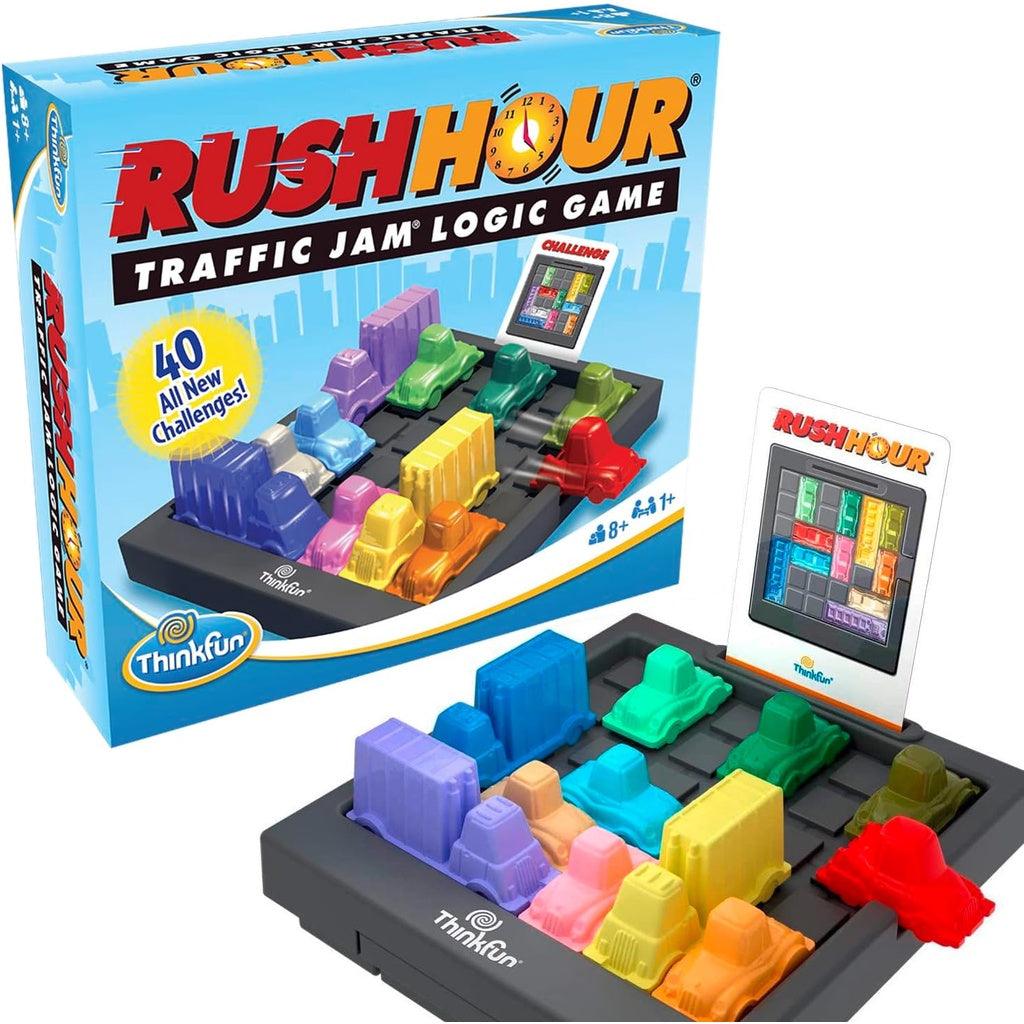
ThinkFun Rush Hour Junior
Portable traffic-jam logic puzzle for back seats, restaurants, and hotel downtime
Pros
- ✓ Very low setup
- ✓ Clear challenge cards
- ✓ Good early logic practice
Cons
- ✗ Single-player
- ✗ Can feel repetitive
- ✗ May be too easy for puzzle-loving older kids
Silent tactile input on desks, notebooks, and devices
Pros
- ✓ Invisible in class
- ✓ No loose parts
- ✓ Great for quick regulation
Cons
- ✗ Adhesive wears over time
- ✗ Limited texture per strip
- ✗ Needs clean surfaces
Why These Picks Made the List
Fat Brain Toys Dimpl
Dimpl is the top pick because it is quiet, durable, and easy for a 5-year-old to use while buckled. The silicone bubbles give satisfying tactile feedback without loose pieces, batteries, markers, or audio. It is especially useful during the small transition moments that often cause trouble: leaving the driveway, waiting in a parking lot, sitting through a drive-through line, or settling after a rest stop.
The downside is challenge level. Some 5-year-olds will use it for five minutes, then ask for something new. That does not make it a bad travel toy. It means Dimpl should be part of a small rotation rather than the only plan for a six-hour drive.
VTech Doodle and Draw Learning Center
A drawing board gives kids something creative to do without loose crayons rolling under seats. This VTech option adds letters, numbers, and prompts, which can be helpful for a child who likes guided activity. It works best for kids who enjoy drawing, copying, tracing, or playing school in short bursts.
The audio is the tradeoff. Some families will find it fine; others will want toys that stay silent. If sound tends to irritate siblings or adults in the car, check whether the volume can be controlled or consider a simpler magnetic drawing board instead. For kids who need focus support at home too, Best Focus Toys for 5-Year-Olds at Home has more non-travel options.
Munchables Sensory Chew Necklace
For some children, chewing is the road trip need. They chew shirt collars, fingers, straps, toys, or snack packaging because their body is seeking oral input. A chew necklace gives that need a safer place to go, and it is always available because the child wears it.
This is not a novelty toy. It is a sensory tool. It is best for kids who already seek chewing input, not as a random add-on for every child. Check the product's safety guidance, supervise use, and replace it if it shows damage. For more oral-sensory options, see Best Sensory Tools for Kids Who Chew.
Marble Mesh Fidget
A marble mesh fidget is small, quiet, and inexpensive. Kids push the marble back and forth through the sleeve, getting repetitive hand input without much visual stimulation. It is a good fit for children who get restless but do not need a full activity.
For 5-year-olds, durability and choking-risk judgement matter. Some listings are labelled for older kids, and rough use can tear the mesh. Use it only if your child can handle small fidgets safely and will not mouth or dismantle it. If you are deciding between tactile fidgets for school or travel, Calm Strips vs Marble Mesh Fidget for Classroom Focus covers the differences.
ThinkFun Rush Hour Junior
Rush Hour Junior is one of the better travel-friendly logic toys because the goal is clear and the pieces stay on a grid. A 5-year-old can slide cars around, match challenge cards, and practise planning without a big setup. It is especially useful for hotel downtime or a restaurant table after the food order is placed.
In the car, it depends on the child and seat setup. Some kids can balance the grid easily; others will drop pieces and get frustrated. Keep it for stops, ferry waits, or lap-tray use if your car setup is bumpy.
Calm Strips
Calm Strips are not toys in the classic sense, but they can be useful travel supports. A textured strip on a notebook, water bottle, tablet case, or travel tray gives a child a quiet place to rub when they need tactile input. There are no loose pieces and no cleanup.
They are best as background support, not the main entertainment. Adhesive also matters: surfaces need to be clean, and strips can wear over time. For kids who respond to tactile input, though, a strip can prevent a lot of back-seat picking, grabbing, or seat-kicking.
How to Pack a Road Trip Toy Kit
Think in categories instead of packing a random bag of toys. Bring one tactile fidget, one creative activity, one logic or thinking toy, one comfort item, and one backup sensory tool. That gives variety without overwhelming the child with too many choices.
Keep the first toy extremely easy. Do not start the drive with the most complicated puzzle. Begin with Dimpl, a chew necklace, or a familiar comfort item so the child settles into the car before needing more focus. Save Rush Hour Junior or drawing for the middle of the trip when boredom starts to build.
A small pouch or seat-back organizer helps. If every toy is loose in a backpack, the adult becomes the retrieval system. If each category has a home, the child can learn the rhythm: choose one toy, use it for a while, put it back, choose another.
Want better toy picks without the research rabbit hole?
Short, practical recommendations by age, need, and budget.
Practical Setup Tips
1) Keep only 3 to 5 options reachable
Too many choices can create more demands from the back seat. Put a few options within reach and keep the rest as parent-controlled backups.
2) Use toys before the meltdown
Do not wait until the child is already crying. Offer tactile, chew, or drawing support when you notice early signs: kicking, whining, asking the same question repeatedly, or grabbing at straps.
3) Pair toys with route markers
Use simple anchors: one toy until the next town, drawing after lunch, logic puzzle at the hotel, fidget during the mountain road. Predictable changes reduce bargaining.
4) Avoid tiny loose pieces in motion
If a toy has pieces that can fall, save it for rest stops or use a lap tray with edges. A dropped piece can become the whole problem.
FAQ
Are these toys only for kids with a diagnosis?
No. These picks can help many kids who need better focus, calmer transitions, or lower stimulation play during travel.
How many toys should I pack for a 5-year-old road trip?
Pack more than you make visible. Three to five reachable options are usually enough, with a few backups stored up front for later.
What if my child gets bored quickly?
Use short rotations and change the type of input: tactile, drawing, chewing, looking, listening, then movement at a stop. Do not expect one toy to carry the whole trip.
Should I use screens instead?
Screens can help some families, especially on very long drives. These toys are useful for screen breaks, overstimulated kids, short drives, or moments when you want calmer regulation instead of more visual input.
Related reads
- Best Travel Sensory Toys for Road Trips with Kids
- Best Calm Waiting-Room Toys for Kids
- Best Focus Toys for 5-Year-Olds at Home
- Best Sensory Tools for Kids Who Chew
- Calm Strips vs Marble Mesh Fidget for Classroom Focus
If You Can Only Buy One
Fat Brain Toys Dimpl.
It gives the best balance of quiet tactile input, low setup, durability, and real travel usefulness for most 5-year-olds.
Want better toy picks without the research rabbit hole?
Get concise recommendations by age, need, and budget.
Where to go next
By age
Best Screen-Free Weekend Toys for 5-Year-Olds
Keep the recommendations age-appropriate for your kid’s stage.
By need
Gifts for Neurodivergent Kids: A Parent's Guide (2026)
Jump to picks focused on ADHD, sensory, and regulation support.
By budget
Best Gifts for Kids Under $25 (2026)
Compare strong options in lower price brackets before you buy.
Related Articles

Mental Blox vs Rush Hour Junior for Logic Skills
Compare two low-tech logic toys for kids who need more thinking reps without screens.
Read more →
Monster Scale vs Numberblocks MathLink Cubes for Preschool Math
Compare two hands-on math toys for early counting, number sense, and quiet learning play.
Read more →
Best Calm Waiting-Room Toys for Kids
Small quiet toys for appointments, restaurants, waiting rooms, and other moments where kids need help staying regulated.
Read more →