Easy Science Toys for Kids Who Get Frustrated Fast
Low-friction science toys with fast wins to build confidence before complexity.
Snapshot
| Toy | Age | Price | Best for | Link |
|---|---|---|---|---|
| #1 National Geographic Mega Fossil Dig Kit | 8+ | CAD $35–$55 | Low-frustration science with quick reveal moments | Check Price |
| #2 Botley 2.0 by Learning Resources | 5+ | CAD $85–$110 | Screen-free coding for young beginners | Check Price |
| #3 KiwiCo Tinker Crate (Subscription) | 9+ | CAD $25–$45/month | Monthly project-based STEM learning | Check Price |
| #4 GraviTrax Starter Set | 8+ | CAD $55–$85 | Physics through play | Check Price |
Affiliate links. Prices can change.
A frustrated child does not need science to be easier forever. They need the first five minutes to feel possible.
The best easy science toys give quick feedback, visible progress, and a clear next step. They let kids discover something before anyone asks them to explain it. That matters for children who shut down when instructions are long, when a project gets messy, or when a mistake feels public.
National Geographic Mega Fossil Dig Kit
Reliable engagement, low setup friction, and strong replay value for real family routines.
This guide focuses on confidence-building science toys: fossils, circuits, early coding, marble runs, and project kits that can work in short sessions. None of them are magic. The difference is how you introduce them. A fossil kit can feel calm and exciting on a tray; it can also feel like a mess if you open it on the carpet ten minutes before dinner.
What to Look For
- A fast first win. The child should see, hear, move, reveal, or build something quickly.
- Low reading load. Picture-based instructions, obvious parts, and adult-read prompts help.
- Built-in recovery. If something fails, the toy should make the next attempt clear.
- Limited mess. Mess is not bad, but it needs boundaries: tray, mat, bin, or outdoor table.
- A short session option. Frustration-prone kids need permission to stop after one success.
Our Top Picks
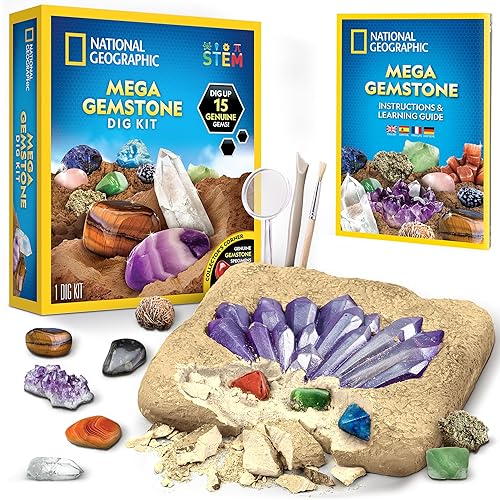
Low-frustration science with quick reveal moments
Pros
- ✓ Hands-on discovery
- ✓ Kid-friendly science
- ✓ Fun reveal moments
Cons
- ✗ Messy
- ✗ One-time core activity
- ✗ Needs cleanup
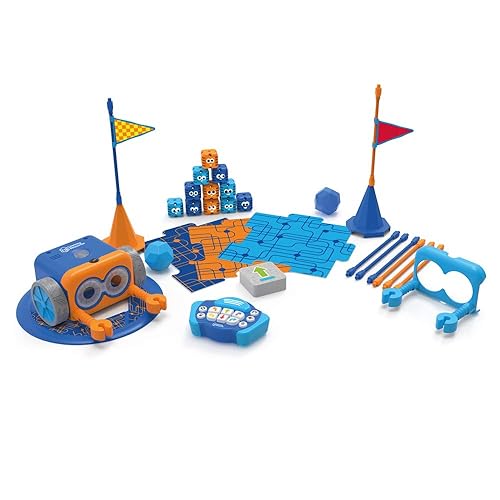
Screen-free coding for young beginners
Pros
- ✓ No screen required
- ✓ Fast feedback
- ✓ Great for beginners
Cons
- ✗ Higher price
- ✗ Can need setup help
- ✗ Small parts

Monthly project-based STEM learning
Pros
- ✓ New project cadence
- ✓ Builds confidence
- ✓ Good instructions
Cons
- ✗ Subscription cost
- ✗ Waiting between crates
- ✗ Some projects need help
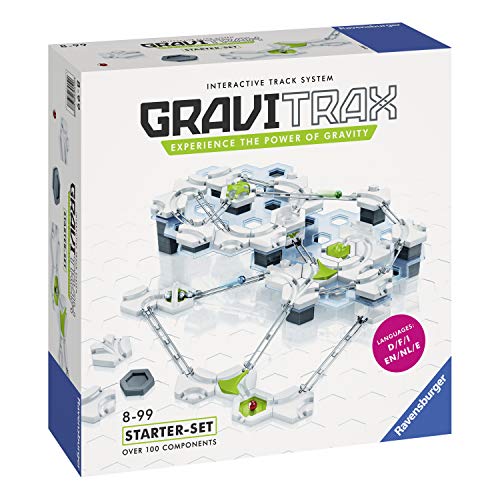
GraviTrax Starter Set
Physics through play
Pros
- ✓ Strong experimentation loop
- ✓ Visual cause/effect
- ✓ Expandable
Cons
- ✗ Needs floor/table space
- ✗ Pieces can be lost
- ✗ Best with a clear build area
Match the Toy to the Frustration Pattern
Before buying, think about what usually causes the shutdown. “Gets frustrated fast” can mean several different things.
If your child hates waiting, choose something with an immediate reveal or response. Botley 2.0 moves as soon as a command works. GraviTrax gives instant visual feedback when a marble run succeeds or fails. A fossil kit has slower progress, but the small reveal moments can be motivating if you expose tiny sections instead of trying to finish the whole block.
If your child hates being corrected, avoid turning the toy into a lesson too quickly. Say what you notice instead of judging the result: “The marble slowed down here,” or “Botley turned left before the tunnel.” That keeps the problem outside the child. The task becomes changing the setup, not proving they are wrong.
If your child hates mess, do not start with the fossil kit just because it is the top pick here. Start with Botley, GraviTrax, or one of the cleaner low-prep options in Best Screen-Free Math Toys for Preschoolers if your child is younger. The fossil kit is best for kids who find digging and discovery regulating, not kids who panic when powder gets on their hands.
If your child likes a finished project, KiwiCo Tinker Crate may be the better fit. A crate feels more like “we built something” than “we practised science.” The adult role is to protect the pace: one step, one success, one break.
Why These Picks Made the List
National Geographic Mega Fossil Dig Kit
The Mega Fossil Dig Kit works because it gives science a treasure-hunt shape. Kids are not staring at a blank worksheet or trying to memorise terms. They are uncovering real-looking specimens, comparing textures, and noticing details with their hands.
The caution is mess. This is not a “open it anywhere” toy. Use a baking tray, a placemat, or an outdoor table. Put a small brush, damp cloth, and container beside the kit before your child starts. If the cleanup plan is visible, the activity feels more contained and less risky.
For frustration-prone kids, do not aim to finish the whole dig in one sitting. Set a tiny goal: uncover one edge, find one fossil, or work for ten minutes. Stopping after a find builds anticipation for the next session.
Botley 2.0 by Learning Resources
Botley is strong for kids who need science and coding to feel active. It avoids screens, which helps if tablets already create regulation problems at home. The child enters commands, presses a button, and sees the robot move.
That loop is excellent for fast feedback. It also teaches sequencing and debugging without using those words. If Botley does not reach the target, change one command and try again. For more first-coding options, compare it with other beginner picks in Best Coding Toys for Beginners Age 6 to 8.
The higher price is the main drawback. It is a better buy if you expect repeated use over months, not just one novelty weekend.
KiwiCo Tinker Crate (Subscription)
Tinker Crate is useful for families who want science projects without sourcing every material. The crate format reduces adult planning, and the finished-object payoff can help kids who need a clear endpoint.
The risk is that some projects still require patience, reading, and adult help. If your child melts down when a build takes too long, preview the instructions first and quietly divide the crate into two sessions. “Today we build the base; tomorrow we test it” is better than forcing a tired child through every step.
GraviTrax Starter Set
GraviTrax is one of the better frustration-friendly physics toys because mistakes are visible. The marble stops, misses, slows down, or flies off. That may sound like failure, but it often feels like a funny problem to solve.
It works best for kids who enjoy spatial building and do not mind pieces. Give the track a defined build area and keep a small container nearby for loose parts. If your child likes this style, Roller Coaster Challenge vs GraviTrax for Engineering Kids can help you choose between puzzle-style and open-ended track building.
A Low-Frustration First Session
1) Preview the toy yourself
Open the box before your child is waiting. Remove impossible packaging, check batteries if needed, and identify the easiest first activity. A five-minute adult preview can prevent a 30-minute child meltdown.
2) Set one tiny goal
Try “make Botley reach the cup,” “find one fossil edge,” or “make the marble reach the bottom.” Avoid “finish the kit.” Finishing is an adult goal; confidence is the child goal.
3) Use neutral troubleshooting language
Replace “No, that is wrong” with “Something changed here.” Replace “Try again” with “What should we change first?” The wording matters because frustrated kids often react to shame before they react to the actual task.
4) Build in a break point
Put a timer nearby, not as pressure, but as permission. Ten to fifteen minutes is enough for a first session. If your child wants more, continue. If not, stop while the toy still has a positive association.
5) Store it ready for next time
Leave the next session easy to restart: fossil tools in a bag, robot pieces in a bin, marble run parts grouped, crate instructions folded to the next step. The easier the restart, the more likely the toy gets used again.
Who Should Skip These Picks?
Skip the fossil kit if your child is deeply mess-averse or if cleanup battles are already a problem. Choose Botley or a clean logic toy instead.
Skip Botley if your child dislikes command sequences or gets upset when a robot does something unexpected. A calmer building toy may be better.
Skip a subscription crate if unfinished projects create guilt or clutter in your house. A reusable toy with no monthly arrival can be healthier for some families.
Skip GraviTrax if you do not have a reliable floor or table space. A marble run that has to be packed away every five minutes will frustrate everyone.
Want better toy picks without the research rabbit hole?
Short, practical recommendations by age, need, and budget.
FAQ
What is the easiest science toy for a child who gives up quickly?
Choose the toy with the fastest visible payoff for your child. Botley gives immediate movement. GraviTrax gives immediate marble feedback. A fossil kit gives motivating reveals, but only if the mess is contained.
Are messy science kits a bad idea for frustrated kids?
Not always. Mess can be calming for some kids and overwhelming for others. If you choose a dig kit, use a tray, short sessions, and a clear cleanup routine.
Should I explain the science while we play?
Keep explanations short at first. Let your child notice what happens, then add one simple label: “That is momentum,” “That is a sequence,” or “That is a fossil impression.” Too much teaching too soon can make the toy feel like school.
How long should the first session be?
Ten to fifteen minutes is enough. Stop after one success if your child is still positive. You are building willingness to come back.
What if my child wants science but not a kit?
Try open-ended STEM toys with repeatable play. Best STEM Toys for Kids Who Hate Worksheets covers more build-and-test options, and Gifts for Kids Who Love Science has broader science gift ideas.
Related reads
- Best STEM Toys for Kids Who Hate Worksheets
- Best Coding Toys for Beginners Age 6 to 8
- Roller Coaster Challenge vs GraviTrax for Engineering Kids
- Gifts for Kids Who Love Science
If You Can Only Buy One
National Geographic Mega Fossil Dig Kit is the best first pick for kids who like hands-on discovery and can tolerate a contained mess.
If mess is the trigger, choose Botley 2.0 instead. The real goal is not the most “science-looking” toy; it is the toy your child can start without bracing for failure.
Want better toy picks without the research rabbit hole?
Get concise recommendations by age, need, and budget.
Where to go next
By age
Best Toys for 4-Year-Olds (Learning Through Play) (2026)
Keep the recommendations age-appropriate for your kid’s stage.
By need
Gifts for Neurodivergent Kids: A Parent's Guide (2026)
Jump to picks focused on ADHD, sensory, and regulation support.
By budget
Best Gifts for Kids Under $25 (2026)
Compare strong options in lower price brackets before you buy.
Related Articles
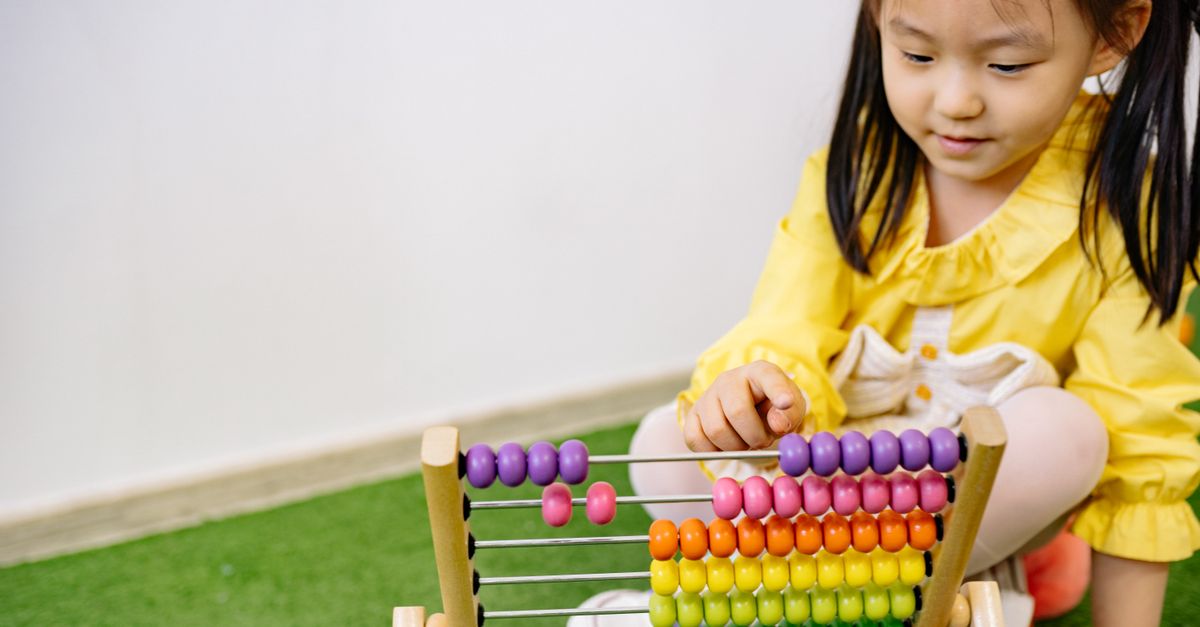
Best Screen-Free Math Toys for Preschoolers
Hands-on math toys that help preschoolers practise counting, comparison, patterns, and early problem solving without screens.
Read more →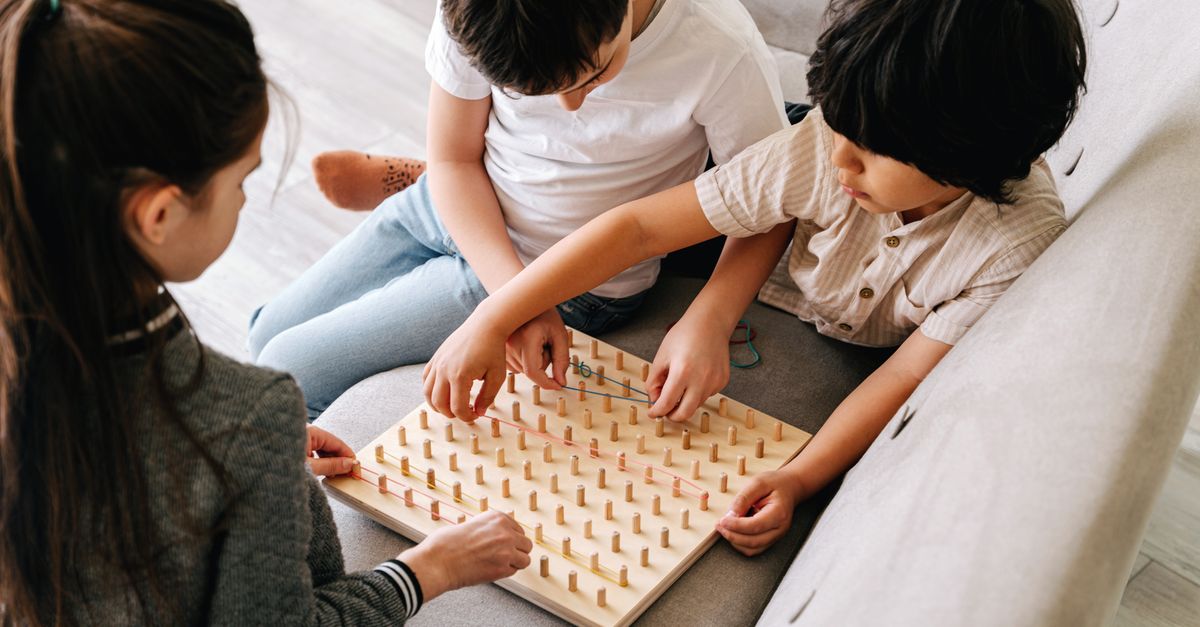
Best Quiet Logic Toys for Apartments
Low-noise logic toys for apartment play, quiet rooms, and families who need thinking practice without chaos.
Read more →
Monster Scale vs Mental Blox for Early Logic
A comparison for families choosing between early math comparison play and spatial logic challenges.
Read more →