Best Screen-Free Weekend Toys for 7-Year-Olds
Screen-free toy picks that keep 7-year-olds engaged indoors with less power struggle.

Snapshot
| Toy | Age | Price | Best for | Link |
|---|---|---|---|---|
| #1 Magna-Tiles Clear Colors 32-Piece Set | 3+ | CAD $70–$95 | Open-ended building and creative focus | Check Price |
| #2 LEGO Classic Medium Creative Brick Box | 4+ | CAD $35–$65 | Structured creativity that scales with age | Check Price |
| #3 Kinetic Sand Set | 3+ | CAD $25–$45 | Sensory regulation and transitions | Check Price |
| #4 ThinkFun Rush Hour | 8+ | CAD $20–$35 | Quiet logic focus and travel-friendly puzzles | Check Price |
Affiliate links. Prices can change.
Weekend screen limits are easier when analog options are visible, simple, and replayable. The hard part is not declaring a screen-free Saturday. The hard part is giving a 7-year-old something satisfying to do when the first burst of boredom, sibling noise, or “I don't know what to play” arrives.
At seven, kids can handle more complex builds, longer pretend stories, early strategy, and independent creative projects. They still need a low-friction start. If the toy needs a long instruction lecture or creates a huge mess before play begins, it will probably lose to a tablet.
Magna-Tiles Clear Colors 32-Piece Set
Reliable engagement, low setup friction, and strong replay value for real family routines.
This guide focuses on screen-free toys that work for real weekends: rainy mornings, quiet afternoons, sibling play, restaurant waits, and the awkward gap after chores when a child needs a next thing. If the main problem is rainy-day restlessness, Best Screen-Free Toys for Rainy Days is a useful companion guide.
What to Look For
- Fast entry. If setup is complicated, attention disappears before the toy can help.
- Clear feedback. Kids stay engaged when they can see progress quickly: a tower stands, a scene forms, or a puzzle improves.
- Replay value. Good toys survive past the novelty spike because the child can use them in more than one way.
- Regulation support. The best toys help kids recover from boredom or overstimulation, not just stay busy.
- Enough structure to begin. Open-ended toys still need a prompt, tray, challenge card, or visible invitation.
- Cleanup that does not punish the adult. Screen-free play fails when every session ends in a room reset.
The weekend test is practical: can this toy create a play block without turning the adult into entertainment staff? A 7-year-old may need a prompt, but they should not need constant direction. The best picks let a parent say, “Build a zoo,” “make one sticker scene,” or “try one puzzle,” then step back.
Our Top Picks
Open-ended building and creative focus
Pros
- ✓ Quiet play
- ✓ Long replay value
- ✓ Works solo or together
Cons
- ✗ Higher upfront cost
- ✗ Pieces scatter
- ✗ Needs storage bin
Structured creativity that scales with age
Pros
- ✓ Huge replay value
- ✓ Scales with age
- ✓ Great imagination tool
Cons
- ✗ Cleanup friction
- ✗ Stepping hazard
- ✗ Can overwhelm if too many pieces out
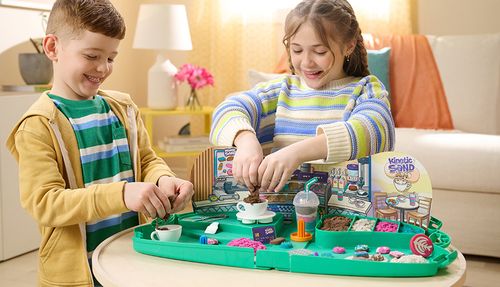
Kinetic Sand Set
Sensory regulation and transitions
Pros
- ✓ Very calming tactile input
- ✓ Low noise
- ✓ Easy start/stop
Cons
- ✗ Can get messy
- ✗ Best with tray
- ✗ Not ideal for carpet
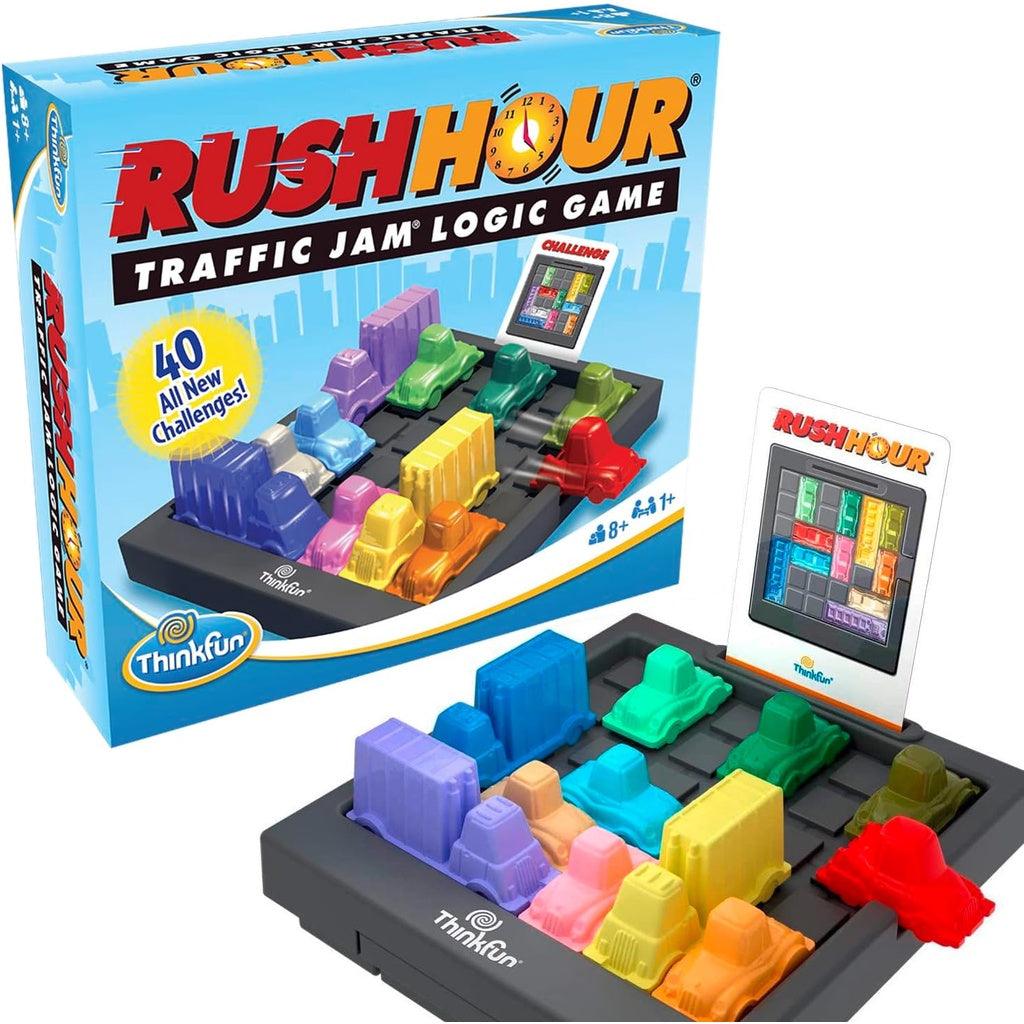
ThinkFun Rush Hour
Quiet logic focus and travel-friendly puzzles
Pros
- ✓ No batteries
- ✓ Portable
- ✓ Great thinking reps
Cons
- ✗ Single-player
- ✗ Can feel hard at first
- ✗ Needs progression support
Portable quiet play for travel and waiting rooms
Pros
- ✓ Very affordable
- ✓ Travel friendly
- ✓ Instant setup
Cons
- ✗ Sticker loss
- ✗ Shorter sessions
- ✗ Theme-limited
Plus-Plus Big Building Set
Fine-motor creative focus
Pros
- ✓ Compact
- ✓ Quiet tabletop use
- ✓ Strong concentration
Cons
- ✗ Smaller pieces
- ✗ Learning curve
- ✗ Can frustrate younger kids
Why These Picks Made the List
Magna-Tiles Clear Colors 32-Piece Set
Magna-Tiles are the safest all-purpose screen-free weekend pick because the first win is almost immediate. A 7-year-old can build a wall, tower, garage, castle, marble-style chute, animal house, or pretend shop within minutes. The magnetic feedback is satisfying, and a collapsed build is not a disaster; it is often the start of the next idea.
The 32-piece set is a reasonable entry point, though families with multiple children may want more pieces over time. The main drawbacks are cost and cleanup. Use a clear bin and make “one floor build or one table build” the boundary. If you are deciding between tiles and bricks, Magna-Tiles vs LEGO Classic for Open-Ended Play breaks down the tradeoffs.
LEGO Classic Medium Creative Brick Box
LEGO Classic is excellent for 7-year-olds who like detail, vehicles, animals, and tiny story worlds. It has enormous replay value because the same bricks can become a rocket, bakery, robot, zoo, or obstacle course. It also scales with age: simple builds now, more complex designs later.
The weekend challenge is not whether LEGO is good. It is whether your house can handle the piece spread. Limit the build zone, use bowls for sorted pieces, and save only one creation at the end of the day. If LEGO is becoming stale, Alternatives to LEGO Classic for Kids Who Need Variety has good next-step options.
Kinetic Sand Set
Kinetic Sand is a strong screen-free choice when your child needs sensory regulation more than a big project. It can become a bakery, construction site, dinosaur dig, beach, rescue scene, or calm squeezing activity. For some kids, ten minutes with sand makes the rest of the day easier.
The caution is mess. Do not introduce it casually on carpet and hope for the best. Use a tray, a washable mat, and a small amount of sand at a time. For children who love the feeling but your home cannot handle the cleanup, Alternatives to Kinetic Sand for Kids is worth reading.
ThinkFun Rush Hour
ThinkFun Rush Hour is a quiet logic option for kids who like a challenge. The box says 8+, but some 7-year-olds can handle the early cards with support. It is useful for weekend mornings, restaurant waits, or the moment when the house needs a calmer activity after rough play.
Start with one card, not a marathon. Sit nearby for the first few attempts and model moving one car at a time. If frustration rises, stop before the puzzle becomes a fight. For a younger or more travel-focused version, Best Road Trip Toys for 6-Year-Olds covers Rush Hour Junior.
Melissa & Doug Reusable Sticker Pad
Reusable sticker pads are underrated for screen-free weekends because they give a child quick creative control. A 7-year-old can make scenes, retell a story, sort characters, or design a tiny world without markers, scissors, or glue.
They are best as a short-session tool. Put out one background scene and one sheet of stickers instead of handing over the whole pad. That small boundary improves focus and protects cleanup. Sticker play also travels well, so it is a good option for restaurants, grandparents' homes, or waiting rooms.
Plus-Plus Big Building Set
Plus-Plus is a compact building toy with strong concentration value. Every piece has the same shape, so kids can make flat patterns, letters, animals, vehicles, or simple 3D designs without hunting for one special brick. It works well at a table and takes less storage space than many big building systems.
The learning curve is real. Some 7-year-olds need a few 2D prompts before 3D builds click. It is also made of small pieces, so it is not ideal around toddlers. For families who want quiet, fine-motor building without another huge LEGO bin, it can be a very practical weekend toy.
How to Set Up a Screen-Free Weekend That Works
The toy matters, but the invitation matters too. “Go play with something” is often too vague for a bored 7-year-old. A better setup gives the child a starting mission:
- Magna-Tiles: build a pet hotel, bridge, rocket launch pad, or marble tunnel.
- LEGO Classic: make three vehicles, a tiny restaurant, or a robot with a tool.
- Kinetic Sand: create a bakery tray, fossil dig, or construction zone.
- Rush Hour: solve one easy card before lunch.
- Sticker pad: make a scene and tell one sentence about what is happening.
- Plus-Plus: make your initials, a flat animal, or a small 3D chair.
Keep the mission optional and light. The point is to get play started, not to turn the weekend into a curriculum. If siblings are involved, choose toys with duplicate pieces and separate zones. For more shared-play ideas, see Best Open-Ended Toys for Shared Sibling Play.
Want better toy picks without the research rabbit hole?
Short, practical recommendations by age, need, and budget.
Practical Setup Tips
1) Keep only one system out at a time
If the room has tiles, LEGO, sand, stickers, and puzzles out together, cleanup becomes the reason screens come back. Put out one play system with one clear boundary.
2) Use short play blocks
Try 20 to 40 minute sessions with a clear start and finish. A weekend toy does not need to fill the whole day; it needs to make the next hour easier.
3) Pair movement with focus toys
A quick movement break before table play improves transitions. A scooter loop, animal walk, dance song, or backyard sprint can make a quiet toy work better.
4) Make cleanup visible from the start
Put the bin, tray, or pouch beside the toy before play begins. A 7-year-old is more likely to help when the cleanup path is obvious.
5) Rotate weekly
Rotation keeps engagement high without constant new purchases. Hide two favourites for a week or two, then bring them back with a new prompt.
FAQ
Are these toys only for kids with a diagnosis?
No. These picks can help many kids who need better focus, calmer transitions, or lower stimulation play. They can also support ADHD, autism, anxiety, sensory processing differences, or ordinary weekend boredom.
How many toys should we use at one time?
Start with 2 to 4 active options for the weekend, but put out only one system at a time. Too much visible choice can reduce sustained attention.
What if my child gets bored quickly?
Use a starting mission, rotate weekly, and focus on toys with immediate feedback and open-ended replay. Also check whether your child needs movement, food, or a change of room before another toy.
What is the best screen-free toy for siblings?
For many families, Magna-Tiles or LEGO Classic work best because kids can build side by side and then connect their ideas. If conflict is high, choose larger pieces and separate zones before introducing tiny bricks.
Related reads
- Best Screen-Free Toys for Rainy Days
- Screen-Free Toys for Kids
- Best Open-Ended Toys for Shared Sibling Play
- Magna-Tiles vs LEGO Classic for Open-Ended Play
- Alternatives to LEGO Classic for Kids Who Need Variety
If You Can Only Buy One
Magna-Tiles Clear Colors 32-Piece Set.
It gives most families the best balance of quick setup, open-ended replay, quiet focus, and flexible pretend play, especially if you store it in one visible bin and offer a simple starting mission.
Want better toy picks without the research rabbit hole?
Get concise recommendations by age, need, and budget.
Where to go next
By age
Best Homework Break Toys for 7-Year-Olds
Keep the recommendations age-appropriate for your kid’s stage.
By need
Gifts for Neurodivergent Kids: A Parent's Guide (2026)
Jump to picks focused on ADHD, sensory, and regulation support.
By budget
Best Gifts for Kids Under $25 (2026)
Compare strong options in lower price brackets before you buy.
Related Articles
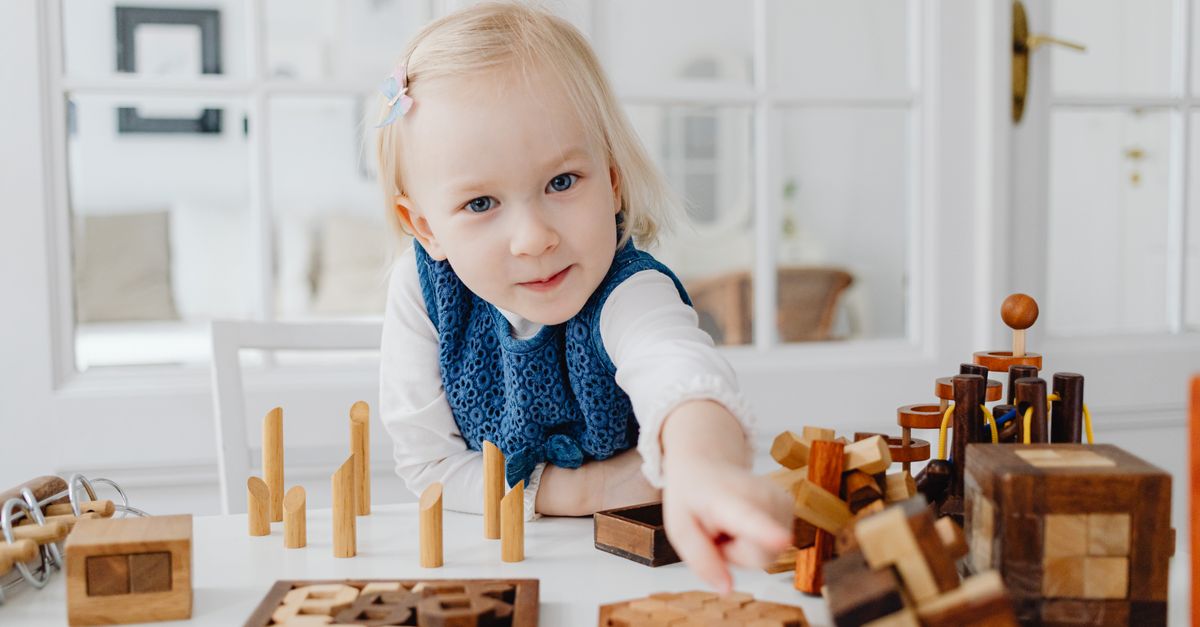
Mental Blox vs Rush Hour Junior for Logic Skills
Compare two low-tech logic toys for kids who need more thinking reps without screens.
Read more →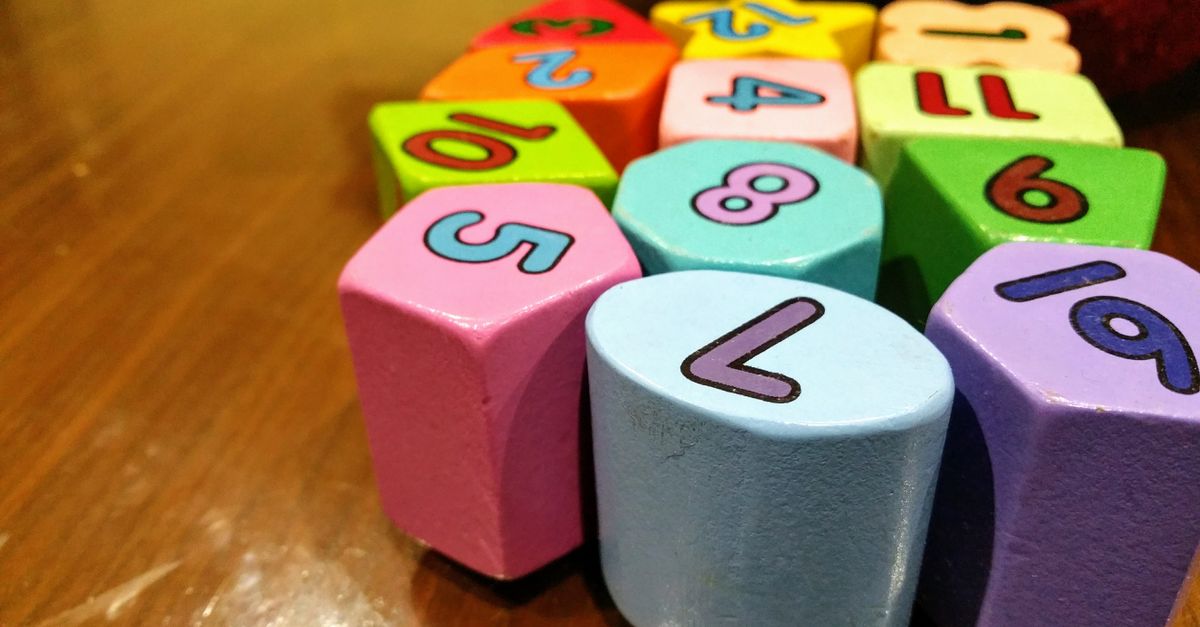
Monster Scale vs Numberblocks MathLink Cubes for Preschool Math
Compare two hands-on math toys for early counting, number sense, and quiet learning play.
Read more →
Best Calm Waiting-Room Toys for Kids
Small quiet toys for appointments, restaurants, waiting rooms, and other moments where kids need help staying regulated.
Read more →